


OIC envoy proposes new card to protect, legalise Rohingyas
Rohingya refugees in Malaysia should be issued with a special immigration card to identify and confer them with legal status, Organisation of Islamic Countries (OIC) special envoy to Myanmar, Syed Hamid Albar, suggested today.
Instead of relying on the United Nations High Commission for Refugees (UNHCR) card, which identifies refugees, Syed Hamid said his proposed new system would enable the Rohingya to be legally employed and to enrol their children in government schools.
"We must have a system of registration. It would be easy for them to get jobs and make them not illegal.
"A card system like the immigration card can be issued to them," he told a press conference after handing out welfare aid to the Rohingya community in Selayang, near Kuala Lumpur.
Rohingya refugees in Malaysia should be issued with a special immigration card to identify and confer them with legal status, Organisation of Islamic Countries (OIC) special envoy to Myanmar, Syed Hamid Albar, suggested today.
Instead of relying on the United Nations High Commission for Refugees (UNHCR) card, which identifies refugees, Syed Hamid said his proposed new system would enable the Rohingya to be legally employed and to enrol their children in government schools.
"We must have a system of registration. It would be easy for them to get jobs and make them not illegal.
"A card system like the immigration card can be issued to them," he told a press conference after handing out welfare aid to the Rohingya community in Selayang, near Kuala Lumpur.
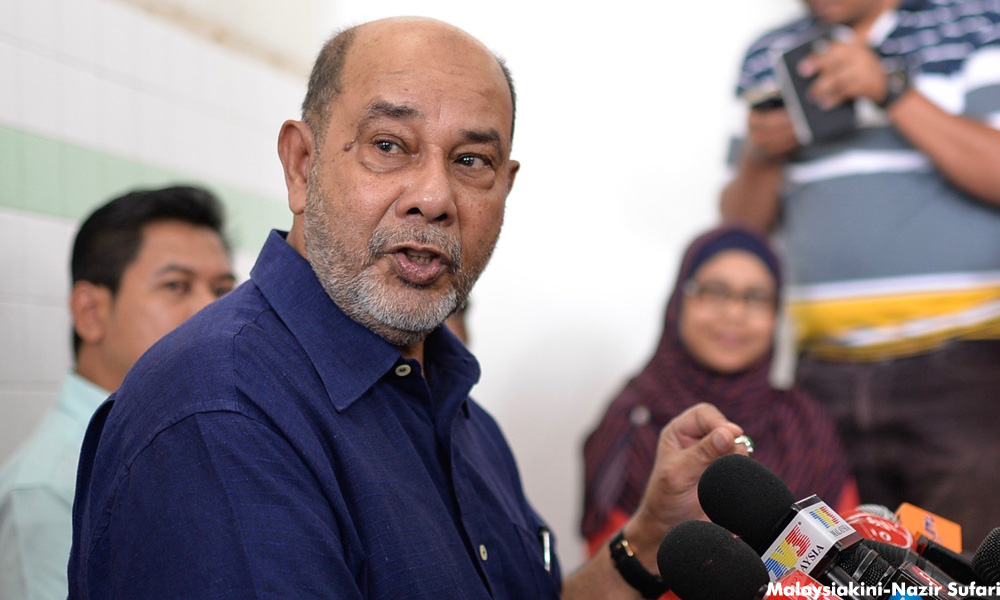 "The UNHCR cards only show that they are refugees. We want them to have rights, before the problems in their country are solved under international laws," Syed Hamid, (photo) who was a former foreign minister, said.
Citing Asean's non-interference policy, Syed Hamid said the issue does not arise as long-term persecution of the Rohingyas is a crime against humanity, which must be addressed.
"We don't want to interfere. We want to save lives so that they would not even come here (to Malaysia)," he said.
At the same time, he noted that Malaysia has been welcoming the refugees but currently has no structured framework in place to prevent the people from being exploited.
"We need to structure ourselves properly. We cannot be like now… so that they can get healthcare, go to school and get rights.
"At present in Malaysia, they are all over the place. We don't want them to be exploited by any group," he said.
Among others, he said the government should come up with a policy that places urgent attention on education for the children of refugees.
On criticisms against Malaysia's delay in signing the 1951 United Nations Refugee Convention, Syed Hamid stressed that the government risk triggering an influx of refugees into its surrounding maritime borders.
"We are an open country. We are a maritime state. If we open our shores, a lot of refugees will come in. That is why we are careful," he said.
The Rohingya community, who are mostly Muslim, are not recognised as Myanmar citizens despite their presence in the country for several generations.
They originate from the coastal state of Rakhine, east of the Bay of Bengal.
According to the United Nations refugee agency, UNHCR, there were 54,856 registered Rohingya refugees and asylum seekers in Malaysia as at the end of October this year.


