



'M'sia can't be overdependent on foreign labour'
Malaysia needs to move away from overdependence on cheap foreign labour and create good job opportunities to match the increasing living costs in urban areas, said Bank Negara Malaysia (BNM) governor Muhammad Ibrahim.
Citing an internal research, he said the cost of living for a family of four (two adults and two children) in urban areas has increased to RM6,500 a month.
While a single individual needs RM2,700 a month and a family of two adults needs RM4,600 monthly, according to him at a press conference.
Malaysia needs to move away from overdependence on cheap foreign labour and create good job opportunities to match the increasing living costs in urban areas, said Bank Negara Malaysia (BNM) governor Muhammad Ibrahim.
Citing an internal research, he said the cost of living for a family of four (two adults and two children) in urban areas has increased to RM6,500 a month.
While a single individual needs RM2,700 a month and a family of two adults needs RM4,600 monthly, according to him at a press conference.
"I think as we move forward, it is specifically important that our economy produces (such higher pay) employment," he said.
"This is the (kind of) jobs that we want to create as we move forward," he added.
"If we rely on migrant workers and low-cost models of production, we will not be able to generate good jobs. So, we need to basically shift away from overdependence on foreign labour," he said at a press conference.
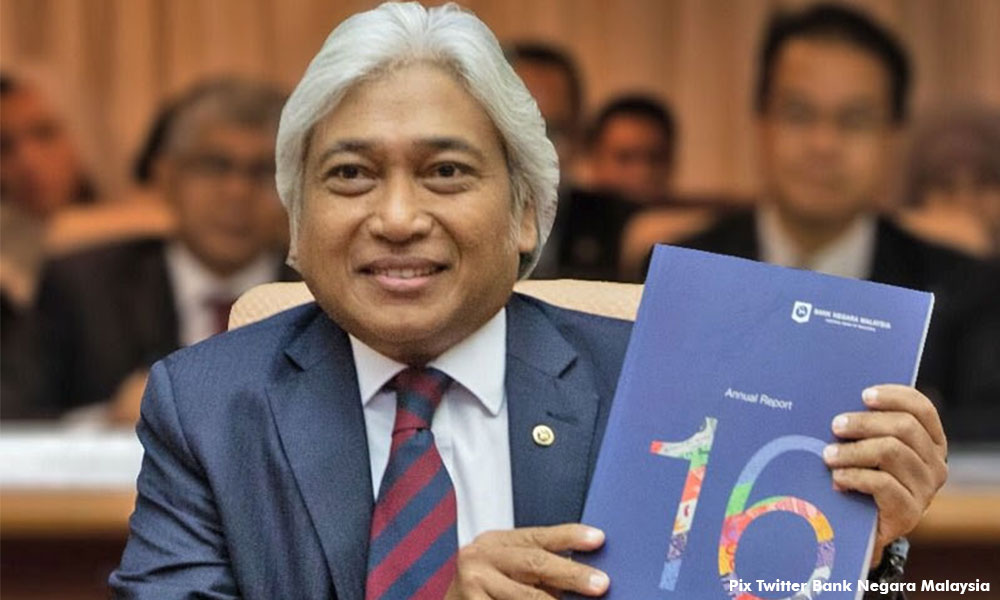
The central bank has released the 2016 Annual Report, which also pointed out youth unemployment rate was estimated to have reached 10.7 percent in 2015.
Muhammad said the country produced 120,000 young graduates annually.
Meanwhile, Muhammad said BNM's financial position remained strong and comfortable despite reports that its international reserves continued to slip due to ringgit depreciation.
BNM's international reserves, which stood at US$94.5 billion (RM418.53 billion), is four times larger if compared with only RM100 billion back in 1997, he said.
According to him, the US$94.5 billion of international reserves only consisted of 25 percent of the total reserves, where the balance 75 percent of the reserves was with the banking system and corporations.
"Since 2005, we have decentralised our international reserves," he added.


