


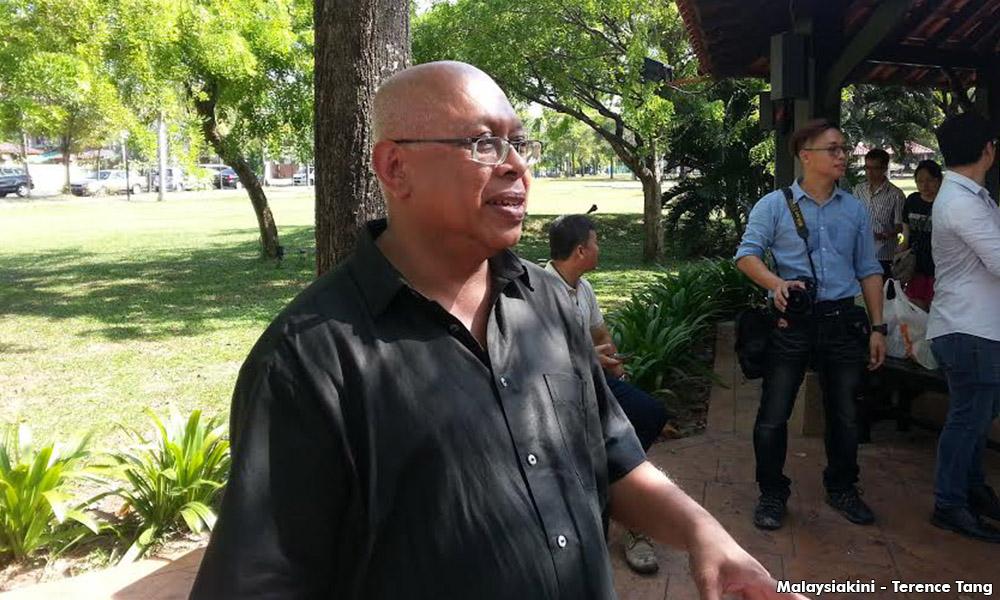

Don: Consider media self-regulating mechanisms
There should be a way for the media to self-regulate, such as appointing an ombudsman to field complaints, said media studies professor Zaharom Nain.
"Yes, media self-regulating mechanisms should be considered.
"For example, the appointment by the media themselves of an ombudsman to whose office these complaints would be channelled," Zaharom told Malaysiakini today.
This comes after The Star editors were summoned to meet the Home Ministry today to explain their May 27 front page, which was deemed to be insensitive to the feelings of Muslims in the country...
There should be a way for the media to self-regulate, such as appointing an ombudsman to field complaints, said media studies professor Zaharom Nain.
"Yes, media self-regulating mechanisms should be considered.
"For example, the appointment by the media themselves of an ombudsman to whose office these complaints would be channelled," Zaharom, who lectures at Nottingham University Malaysia in Kuala Lumpur, told Malaysiakini today.
This comes after The Star editors were summoned to meet the Home Ministry today to explain their May 27 front page, which was deemed to be insensitive to the feelings of Muslims in the country.
It consisted of a photograph of Muslims performing terawih prayers on the first night of Ramadan under the bold headline, 'Malaysian Terrorist Leader'.
Meanwhile, Gerakan Media Merdeka (Geramm) said it is time to push for self-regulation within the media industry.
"Rather than putting pressure on the government to resort to use of such repressive laws - like the Printing Presses and Publications Act (PPPA) 1984, we believe this is the time for all stakeholders to push for self-regulation of the media," the group said.
A self-regulatory body can work as a platform to prevent third-parties from using incidents such as The Star's, to further their own agenda, it said.
"As it stands, the media themselves are being used to indirectly attack another media outlet, for what could have been a genuine human error.
"With extremism being a real threat, everyone has a role to remain informed, without resorting to perpetuating stereotypes that could trigger unnecessary unrest in Malaysia," Geramm said.
The group also reiterated its calls to repeal the PPPA, saying that it stands by the belief that the act is an archaic legislation which is open to abuse to silence the media.
Suspension of any media outlet, even for a day, would ultimately affect its entire operations and victimise all of its staff, most of whom were not even involved in producing the allegedly offensive content, Geramm said.
The English daily's said front page received brickbats from both sides of the divide, with politicians from Umno, PKR, PAS and Parti Amanah Negara saying it contributed to negative perceptions about Islam.
It has since released an apology, explaining that it is normal practice for the newspaper to print a picture of the first terawih prayers for the year, on the first day of Ramadan.
It said it was coincidental that the first day of Ramadan on Saturday was also the same day it ran the article on terrorism.


Are you sure you want to delete this comment?
This action cannot be undone.