




Shipbuilder seeks more funds to proceed with troubled navy deal
A local shipbuilder is seeking another RM1.8 billion from the government to go ahead with a controversial deal to build high-tech naval vessels, according to a report.
A local shipbuilder is seeking another RM1.8 billion from the government to go ahead with a controversial deal to build high-tech naval vessels, according to a report.
PSC Naval Dockyard signed a RM24 billion contract in 1998 to build 27 heavily-armed offshore patrol vessels (OPV) over a 10-year period, with foreign partners led by Germany's ThyssenKrupp.
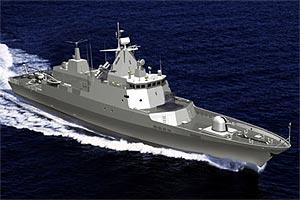 Six OPVs were to be completed in the first batch of the order. The first two were due to be delivered last year but the handover was postponed due to numerous technical problems that arose during sea trials.
The Edge financial newspaper said Sunday that in addition to RM120 million already requested to complete the first two vessels, another RM1.8 billion was now needed to complete the third and fourth.
"Out of the six vessels, two are nine percent complete, two are 40 percent complete, while only eight percent of the fifth and sixth vessels has been completed," it said, quoting an unidentified company observer.
"The general feeling is that PSCI (the parent company) will complete the third and fourth vessels with these funds. But it's not clear if this sum is sufficient for the fifth and sixth vessels. The project may even be downsized," he said.
Boardroom changes
Prime Minister Abdullah Ahmad Badawi last month vowed to sort out the controversial deal, after the high-profile Public Accounts Committee recommended the government step in and rescue the project.
The chair of the Public Accounts Committee Shahrir Abdul Samad blamed the failures on weak management and greed and said PSC Naval Dockyard had "failed" the government.
 Last week saw boardroom changes at PSCI with executive chairman Amin Shah Omar Shah vacating his 12-year-old post and shifting to the role of non-executive chairman.
PSCI's controlling shareholder Boustead Holdings, which is 70 percent owned by the armed forces pension fund Lembaga Tabung Angkatan Tentera, also appointed two representatives, an ex-navy chief and a lawyer, to the board.
The opposition has urged a probe into the delays, saying the government had already invested RM2.5 billion in the project and that it could turn into "the biggest financial scandal in Malaysia's history".


