



Of Lannisters, Greece, and paying our country's debts
COMMENT | Having just finished work, the last thing I wanted to talk about was the state of the country – or to be specific, the "hot topic" all Malaysians speak of, the 1MDB scandal.
"But you want to be a journalist, don't you?" my dinner partner asked. "You should know about these things. What happened with 1MDB's late payments?"
A couple of weeks prior to our dinner, 1MDB had made a payment worth US$350 million to the International Petroleum Investment Company (IPIC) on Aug 12.
This is, of course, after they had missed the first deadline, and were given a grace period of five days to pay their debts with interest.
I monotonously narrated this to my friend in between spoonfuls of pan mee. He looked at me dumbfounded.
"Don't you know what this means? If the government can no longer pay their debts on time, it means we are going bankrupt!" he said with shock.
I rolled my eyes at this.
Having grown up with friends and family who would always joke about the state our country was heading towards, I had heard this conclusion one too many times.
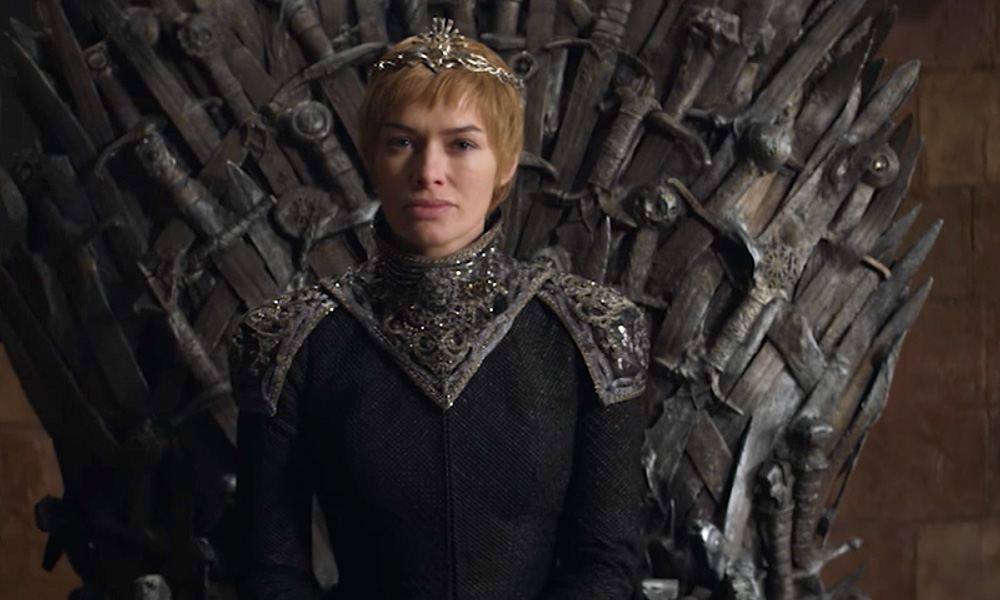
The "Game of Thrones" season 7 finale had just been aired, so I joked, "The Lannisters always repay their debts, don't they?"
My friend slammed his drink on the table and said, "Vinodh, Najib is not Cersei Lannister, and this is not Westeros. We are becoming like Greece!"
The Greek debt crisis
Greece became the centre of attention after an investment bank in Wall Street imploded in 2008.
The US Federal Reserve had taken steps to prevent a major meltdown of the global banking system after that, but it seems Greece was not spared.
"What in the world has Greece got to do with this? We haven't been locked out of the markets," I asked, with my limited knowledge of how the financial world operates.
Greece announced in October 2009 that it had been understating its deficit figures for years. By 2010, Greece was headed towards bankruptcy after it was shut out from borrowing in the financial markets.
"What do you think IPIC is?" my friend asked. "It's the 'bank' the Malaysian government borrows money from, and what do you think happens when you can't pay back your debts?" he asked.
As early as 2016, columnists had been warning that "signs were clear" Malaysians would have to brave for austerity measures similar to those imposed in Greece.
Almost a year has passed since. Surely the government wouldn't impose austerity measures now, I wondered.
"So let's say you're right and we are bankrupt. What happens now?" I asked...
COMMENT | Having just finished work, the last thing I wanted to talk about was the state of the country - or to be specific, the "hot topic" all Malaysians speak of, the 1MDB scandal.
"But you want to be a journalist, don't you?" my dinner partner asked. "You should know about these things. What happened with 1MDB's late payments?"
A couple of weeks prior to our dinner, 1MDB had made a payment worth US$350 million to the International Petroleum Investment Company (IPIC) on Aug 12.
This is, of course, after they had missed the first deadline, and were given a grace period of five days to pay their debts with interest.
I monotonously narrated this to my friend in between spoonfuls of pan mee. He looked at me dumbfounded.
"Don't you know what this means? If the government can no longer pay their debts on time, it means we are going bankrupt!" he said with shock.
I rolled my eyes at this.
Having grown up with friends and family who would always joke about the state our country was heading towards, I had heard this conclusion one too many times.
The "Game of Thrones" season 7 finale had just been aired, so I joked, "The Lannisters always repay their debts, don't they?"
My friend slammed his drink on the table and said, "Vinodh, Najib is not Cersei Lannister, and this is not Westeros. We are becoming like Greece!"
The Greek debt crisis
Greece became the centre of attention after an investment bank in Wall Street imploded in 2008.
The US Federal Reserve had taken steps to prevent a major meltdown of the global banking system after that, but it seems Greece was not spared.
"What in the world has Greece got to do with this? We haven't been locked out of the markets," I asked, with my limited knowledge of how the financial world operates.
Greece announced in October 2009 that it had been understating its deficit figures for years. By 2010, Greece was headed towards bankruptcy after it was shut out from borrowing in the financial markets.
"What do you think IPIC is?" my friend asked. "It's the 'bank' the Malaysian government borrows money from, and what do you think happens when you can't pay back your debts?" he asked.
As early as 2016, columnists had been warning that "signs were clear" Malaysians would have to brave for austerity measures similar to those imposed in Greece.
Almost a year has passed since. Surely the government wouldn't impose austerity measures now, I wondered.
"So let's say you're right and we are bankrupt. What happens now?" I asked.
By February 2010, the Greek Parliament had passed its first austerity package to somehow pay their debts. All government employees had their salaries frozen, had 10 percent cuts in bonuses, and cuts in overtime for workers were in place.
The following month, its second austerity package was introduced. Pensions were frozen, taxes on fuel, alcohol, and cigarettes were increased, and public sector pay was slashed.
With these measures in place, people have taken to the streets to protest, and are still doing so.
"Well," my friend said, "I don't know about you but I'm not going to stick around hoping the banks won't close and we won't get to take our money. I'm transferring my savings into my overseas accounts."
I had only just figured out how to top up my phone with my online bank account. Speechless, I swallowed my food.
After a while, my friend looked up from his meal.
"Thankfully our Malaysian banking system is quite strong, in the sense that it is quite strict when it comes to consumer lending.
"However, when it comes to corporate lending, I know for a fact that the government borrows huge amounts of money on a regular basis," he said.
As he was a former banker, I took his words seriously.
Last year, Fitch Ratings affirmed Malaysia's A- credit rating with a stable outlook. But in October 2009, Fitch Ratings had given Greece the same rating. By December of that year, it was BBB+.
"So maybe Malaysia will be safe, or maybe it won't. But I'm not sitting on this landmine absent-mindedly," he said.
Najib's announcement
When I went home later that night, I still questioned the arguments my friend brought up. Surely bankruptcy wasn't a reality, I told myself.
And then recently, like an answer to my prayers, Prime Minister Najib Abdul Razak announced the country was not heading towards bankruptcy.
I happily forwarded the article to my friend. He responded with laughing emojis.
When we met up again for our weekly dinner date a few days ago, I brought up the topic again. This time my friend had little to say.
"Najib said we're going to be okay...So that's that. We have nothing to worry about then," he said sarcastically.
Although 1MDB settled their first tranche of payment amounting to US$602m on Aug 30, 1MDB will need to pay another tranche of US$602,725,000 as well as an undisclosed amount of interest by Dec 31 as part of the settlement.
It is definitely going to be interesting to see how the next few months will pan out, given that we are not in danger of bankruptcy, as the prime minister said.
As Esquire aptly puts it, we just have to assume that Cersei got enough of her gold from Highgarden back in time to repay the debt in full.
We could very well be in King's Landing, and the Iron Bank of Braavos will have its dues, one way or another.
Perhaps it is time I got a piggy bank, just to be safe.
VINODH PILLAI is a final year communications major with good friends at Malaysiakini. He has just worked out how to use a cash deposit machine and is now regretting the revelation.
The views expressed here are those of the author/contributor and do not necessarily represent the views of Malaysiakini.


Report this comment
Are you sure you want to delete this comment?
This action cannot be undone.