



Why M’sia needs credible int’l election observers
INTERVIEW | For many developing countries, inviting credible international groups to scrutinise their elections is a norm because it encourages transparency and lends legitimacy to the electoral process.
Notable international monitoring groups which operate in Asia include the European Parliament, the National Democratic Institute and the Asian Network for Free and Fair Elections (Anfrel).
Such groups would normally publish their list of observers, address the press, engage stakeholders and publish a final report which would include their assessment and recommendations.
The objective will normally entail examining if the elections process was up to international standards, and if not, how things could be improved.
Unlike most countries in the Asean region, Malaysia has never had any such bodies monitoring its elections.
The closest the Election Commission (EC) has come was to invite 18 individuals from the region for a monitoring mission during the general elections in 2013.
The group comprised of six individuals each from Indonesia and Thailand, two each from Myanmar and Cambodia, and the Asean secretariat.
However, they had no access to the media and their recommendations were never made public...
INTERVIEW | For many developing countries, inviting credible international groups to scrutinise their elections is a norm because it encourages transparency and lends legitimacy to the electoral process.
Notable international monitoring groups which operate in Asia include the European Parliament, the National Democratic Institute and the Asian Network for Free and Fair Elections (Anfrel).
Such groups would normally publish their list of observers, address the press, engage stakeholders and publish a final report which would include their assessment and recommendations.
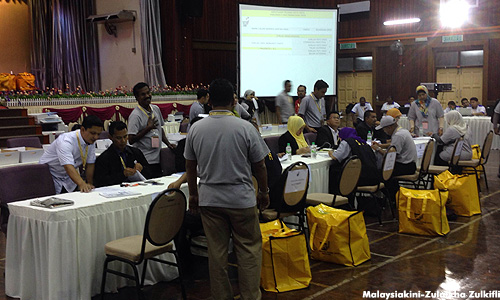
The objective will normally entail examining if the elections process was up to international standards, and if not, how things could be improved.
Unlike most countries in the Asean region, Malaysia has never had any such bodies monitoring its elections.
The closest the Election Commission (EC) has come was to invite 18 individuals from the region for a monitoring mission during the general elections in 2013.
The group comprised of six individuals each from Indonesia and Thailand, two each from Myanmar and Cambodia, and the Asean secretariat.
However, they had no access to the media and their recommendations were never made public.
Scratching each other’s backs
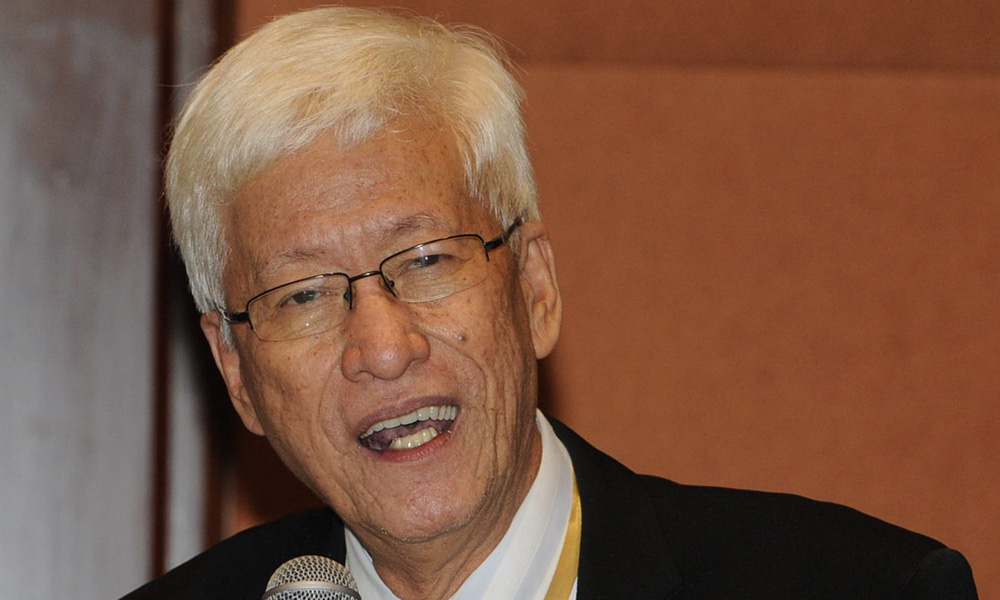
For Anfrel chairperson Damaso Magbual, a respected veteran polls observer, the observation mission in 2013 was less about ensuring electoral integrity but more on lending each other legitimacy.
“The Malaysian EC invited commissioners from other Asean countries. Among others, they invited people from Cambodia and Myanmar.
“The problem here is this: When Myanmar held their elections in 2010, they also invited people from Malaysia and Cambodia.
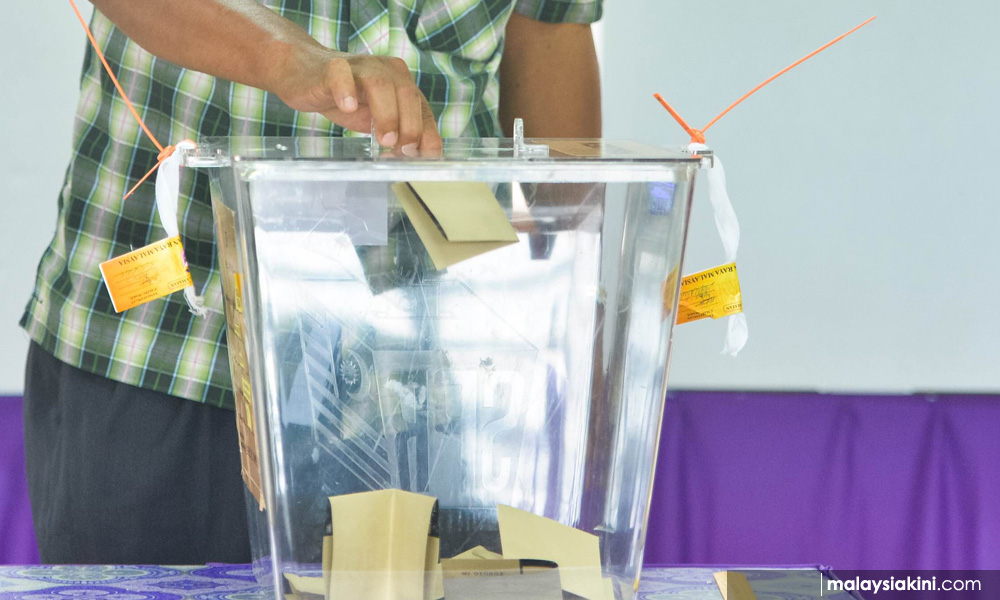
“They are scratching each other’s backs… They will say each other’s elections is free and fair, in line with international norms,” said Magbual during a recent interview in Kuala Lumpur.
This lack of transparency and accountability is a missed opportunity for the Malaysian elections commission to shore up its credibility, he stressed, echoing what election reform group Bersih has been urging the EC on since its inception.
Magbual, who has observed at least 30 elections across the globe including conflict zones such as Afghanistan, believed that international election observation missions, when done correctly, can greatly benefit the host country.
For instance, it would encourage those running the elections to undertake efforts to ensure the election process is credible, which in turn helps to reduce complaints by those who lose an election, he explained.
Election observation missions can also help instill public trust in the electoral process, which is important in restive regions.
Transparency is key
Magbual said that election monitoring missions which he has been involved in would undertake efforts to ensure its own transparency by inviting scrutiny from stakeholders.
This, in turn, would instill public trust in the electoral process.
He recalled how a parallel count by the Philippines National Citizens' Movement for Free Elections (Namfrel) had led to the downfall of dictator Ferdinand Marcos during the 1986 presidential elections.
The parallel count mechanism gained public acceptance after Namfrel had allowed the election commission and other stakeholders to test it out a few days before polling.
“So three days before the elections, the parties and the election commission were asked to try the system… So they had confidence in it.
“So in that election, the public believed our count and not the election commission’s. The election commission proclaimed Ferdinand Marcos the winner while our count said Cory (Corazon Aquino) was the winner.
“So people celebrated on the streets and this led to the downfall of Marcos,” said Magbual.
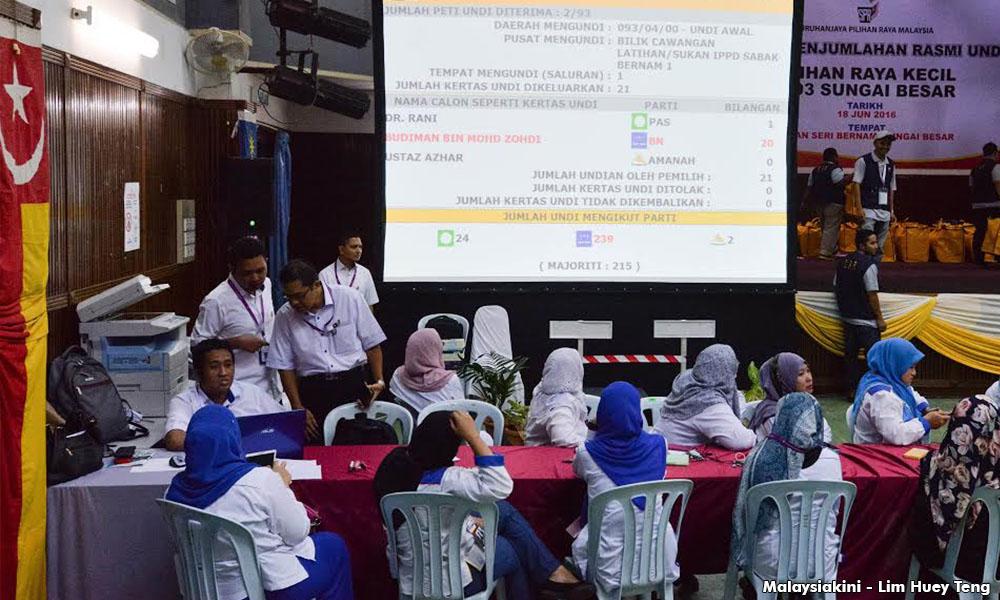
Another key to an election monitoring body’s transparency is fair access to the media and a degree of autonomy from the election commission or political parties.
Such bodies need to be able to issue statements to the press regularly to communicate with election stakeholders to inform them on issues that they have observed.
He said that in the Philippines, Namfrel would participate in pre-election in television talk shows to let the public know what they are doing.
“We will only be appreciated by the media if they believe that our ground has integrity. It means that we are above board,” he said.
Worst malapportionment in region
If a credible international election observation mission were to be held in Malaysia, one of the most obvious problems of Malaysian elections to be talked about would likely be malapportionment.
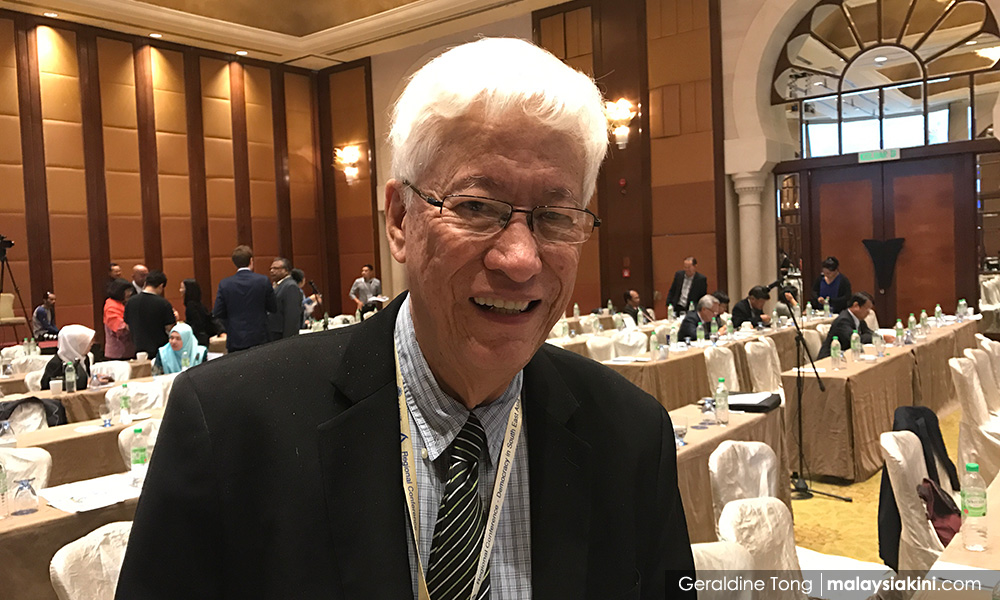
Magbual (photo) believed that presently, Malaysia has the worst case of malapportionment - a situation where one constituency has significantly more voters than another - in the whole of Asia.
Recall that Article 166 (4) of the Federal Constitution once stated that the difference between each constituency should not be more than 15 percent, according to state averages.
Following a constitutional amendment in 1962, this was adjusted to effectively change the quantifiable cap of deviation from the national average to one-third.
Again, the relevant constitutional stipulations were removed altogether in 1973.
In comparison, Magbual said that countries such as Myanmar, Cambodia and the Philippines maintain and respect mathematical integrity when drawing their electoral borders.
“Suffrage means one person, one vote, equal value,” he said. “When you have 145,000 people voting in Kapar and 16,000 voters in Putrajaya, then you violate this principle.”
Last week, Election Commission chairperson Mohd Hashim Abdullah said Malaysia has no plans to invite international election observers.
He said invitations will only be extended to the EC's counterparts who have invited them to witness their elections in the past.
When asked if this would lead to a conflict of interest, Hashim replied: "No. This is how it should be."


Report this comment
Are you sure you want to delete this comment?
This action cannot be undone.