


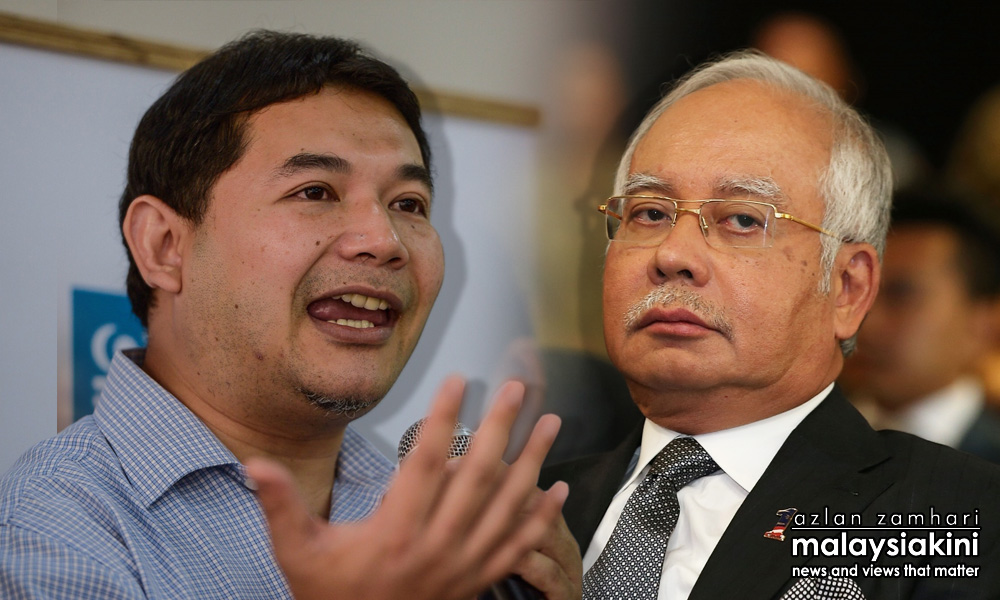

Rafizi gives Najib a tip on how to win GE14 with 20 sen
PKR vice-president Rafizi Ramli has given Prime Minister Najib Abdul Razak a tip on how to win the coming general election.
According to him, this can be achieved if the government provides a 20 sen per litre fuel subsidy for next month and January 2018.
The Pandan lawmaker said these two months were crucial as parents would be burdened with their children's school expenditure...
PKR vice-president Rafizi Ramli has given Prime Minister Najib Abdul Razak a tip on how to win the coming general election.
According to him, this can be achieved if the government provided a 20 sen per litre fuel subsidy for next month and January 2018.
The Pandan lawmaker said these two months were crucial, as parents would be burdened with their children's school expenditure.
“Let me give Najib a tip on how to win the election. Give 20 sen subsidy per litre for December 2017 and January 2018. He will win the general election, no problem.
“December and January are the most difficult months... payment of school fees and purchasing school shoes. People have to queue to pay PIBG (Parent-Teacher Association) fees as well,” he told a press conference in Parliament this afternoon.
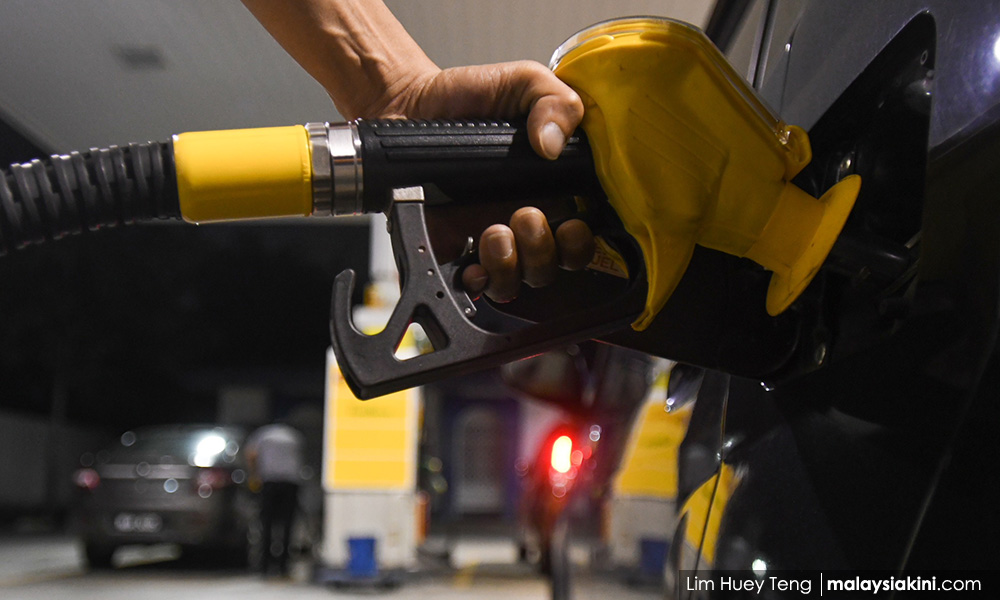
Rafizi said Najib had created his own record, after the prices for RON95 and RON97 increased by six and seven sen to RM2.31 and RM2.60 per litre respectively yesterday. The price of diesel went up by three sen to RM2.20 per litre.
The new prices were the fourth consecutive hike since Oct 11, and are the highest since the weekly fuel price system was implemented on March 30.
“The yearly average usage of petrol and diesel is 27 billion litres, as stated in the answer by Najib to my question in Parliament. The average usage of petrol and diesel every month is 2.25 billion litres.
“A 20 sen subsidy per litre will only involve an RM900 million allocation for Dec 2017 to Jan 2018.
“This is only 25 percent less than the contingent income collected by Najib since the beginning of this year,” Rafizi said.
He added that with the increase of oil prices, the federal government will receive a “durian runtuh” (windfall) from collecting higher taxes.
“The government will get to collect much higher income tax from companies, and tax collection on petroleum earnings will also be higher, as well as individual income tax.
“Imagine, the goods and services tax collection will also be higher because of RON97 and other petroleum-based products which fall under GST.
“Aside from that, the government will also get high petroleum royalties, as well as higher dividends from Petronas,” he said.
Petrol and diesel prices in the country are determined weekly by global oil prices, based on the Mean of Platts Singapore (MOPS) and the ringgit's strength against the US dollar.


