



Rafizi: Turnkey contracts usually good but not in the case of MRT3
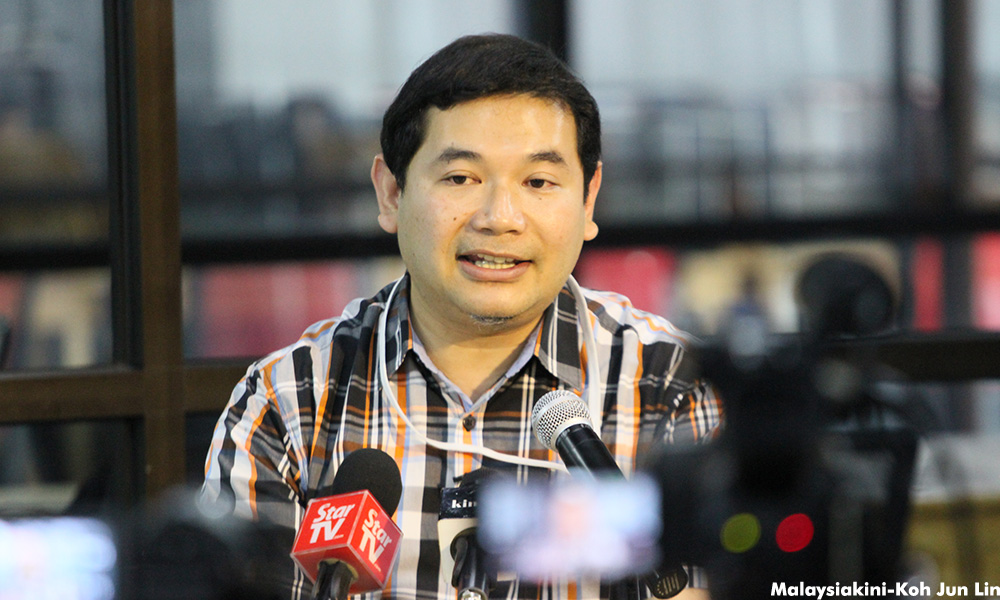
PKR vice-president Rafizi Ramli said he is normally supportive of turnkey contracts but the tender conditions for the third phase of the Mass Rapid Transit (MRT3) project are highly unusual.
He explained that usually in turnkey contracts, the financing is separate from the turnkey contractor, but in the case of the MRT3 project, the tender conditions state that the turnkey contractor themselves have to provide minimum 90 percent of the financing.
In this way, he said, the country loses all control over how the project will be done, such as local and bumiputera involvement...
PKR vice-president Rafizi Ramli said he is normally supportive of turnkey contracts but the tender conditions for the third phase of the Mass Rapid Transit (MRT3) project are highly unusual.
He explained that usually in turnkey contracts, the financing is separate from the turnkey contractor, but in the case of the MRT3 project, the tender conditions state that the turnkey contractor themselves have to provide minimum 90 percent of the financing.
In this way, he said, the country loses all control over how the project will be done, such as local and bumiputera involvement.
“The normal turnkey (contracts) are like this: I put up a notice saying I am going to build something, these are the technical specifications, etc, (I tell bidders) submit your one lump sum cost, everything else you have to manage, and then I also put the conditions like it must have this amount of bumiputera involvement.
“The turnkey contractor must make sure they meet all the requirements and submit 'I can do that for RM35 billion'. I will say, okay, let’s do it,” Rafizi said to Malaysiakini yesterday.
This is the normal way, he said, in which he remains in control over the requirements which the turnkey contractor must fulfill.
“The irony is, in my opinion, turnkey projects should have been the case from day one.
“If MRT1 packages had been packaged in such a way that you allow as many competent players around the world to compete and participate, which means that you break down the whole MRT packages into competitive enough, small enough that allows more and more people with enough competency and technical expertise to do it, we would have gotten the best price.
“(But) Najib argued from the beginning that is not the way to go and he wanted to use project delivery partner (PDP),” he said, referring to Prime Minister Najib Abdul Razak.
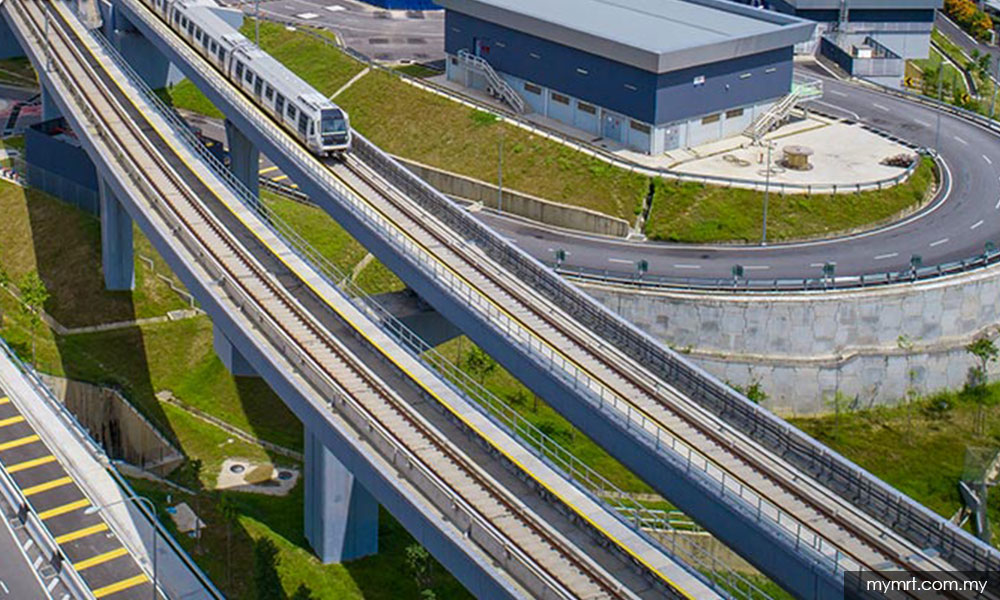
The MRT3 project tender conditions were recently announced, and unlike MRT1 and MRT2 which used a PDP concept, it is now a turnkey contract.
'Very good' financial terms for gov't
However, Rafizi conceded that at face value, the financing terms in the new MRT3 tender conditions are not bad.
“It is not something where you have to finance it. I mean, who doesn’t want that. These are very good financial terms for the government.
“Financially, it is not that bad. It is just that, the whole thing will go to China lock, stock and barrel,” he said.
Not only do the contractors have to provide minimum 90 percent financing under the financial terms, there is also a minimum eight-year moratorium period during which no repayment of principal and interest will be made, and a long minimum 30-year repayment period.
Also, financing is only allowed in ringgit, US dollar, renminbi, yen or euro and the financing shall only be in a single currency, which must match the currency of contract price payments.
Analysts have noted that these terms, along with the technical terms, seem designed not only to keep out local companies but also to make China companies the likeliest candidate.
Rafizi agreed, saying that the tender conditions seem “tailored and manipulated” in such a way to allow only China companies to win”.
Najib’s decision to change the tender conditions to favour China companies could only mean that the prime minister sees more pros than cons in this move, he said.
This is despite the numerous cons from this, Rafizi added, such as providing the opposition with more ammunition against him and confirming the people’s anger and suspicions that he is beholden to China.
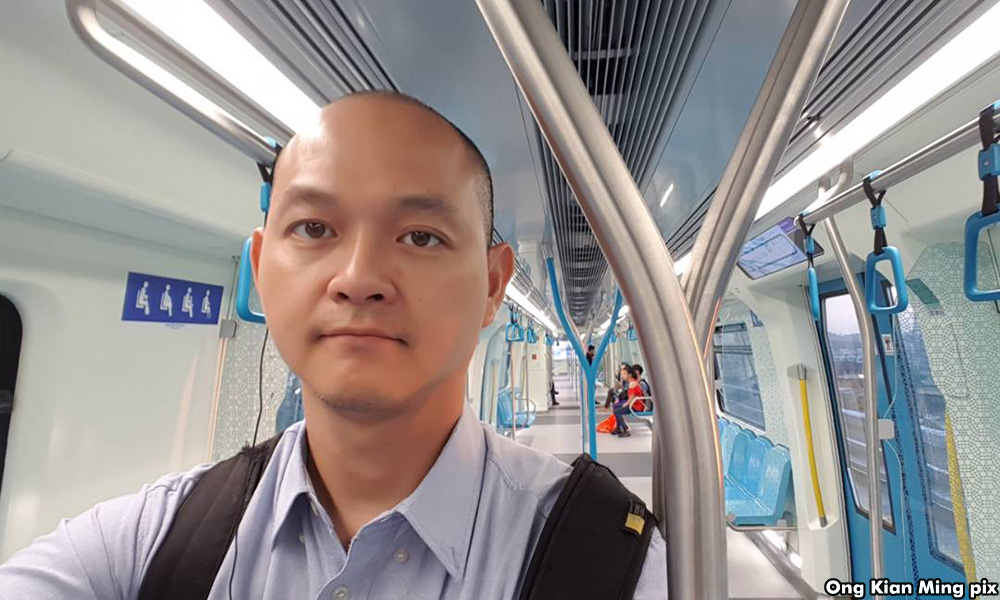
Meanwhile, DAP's Serdang MP Ong Kian Ming (photo) said that the change from PDP to turnkey contract could indicate that Putrajaya feels the debt which has been issued by the government may be too high for it to bear in the near term.
He also pointed out that the government, especially Najib, has been praising the PDP model all this while as being effective in minimising costs.
“So if the PDP has been successful and is being used for MRT2, why suddenly change it to a turnkey project?” he questioned.
He also cast doubt on the low interest rate which China could potentially offer, saying that a low interest rate might not mean much if the cost is inflated.
“One of the things the government has been saying about ECRL is that we do not have to pay interest till 2026 and we get favourable bank loans from China, but what they do not say is that the cost is higher than what most industry experts have calculated,” he explained.


