



The invisible victims of Penang floods
SPECIAL REPORT | As Penang recovers from the second round of floods in as many months, the state government has offered to help people get by through a cash aid of RM500 per family.
It is a pittance compared to the thousands of ringgit worth of belongings each family has suffered.
But hidden in plain sight in Taman Senangin, Perai on the mainland, barely three kilometres away from the iconic Penang bridge, is a community that may not be getting any government aid at all.
In a barren living room filled only with two cushion-less wooden couches, and a coffee table, Rohingya refugee Muhammad Abdul Hassan fusses over the state of his rented home...
SPECIAL REPORT | As Penang recovers from the second round of floods in as many months, the state government has offered to help people get by through a cash aid of RM500 per family.
It is a pittance compared to the thousands of ringgit worth of belongings each family has suffered.
But hidden in plain sight in Taman Senangin, Perai on the mainland, barely three kilometres away from the iconic Penang bridge, is a community that may not be getting any government aid at all.
In a barren living room filled only with two cushion-less wooden couches, and a coffee table, Rohingya refugee Muhammad Abdul Hassan (photo) fusses over the state of his rented home.
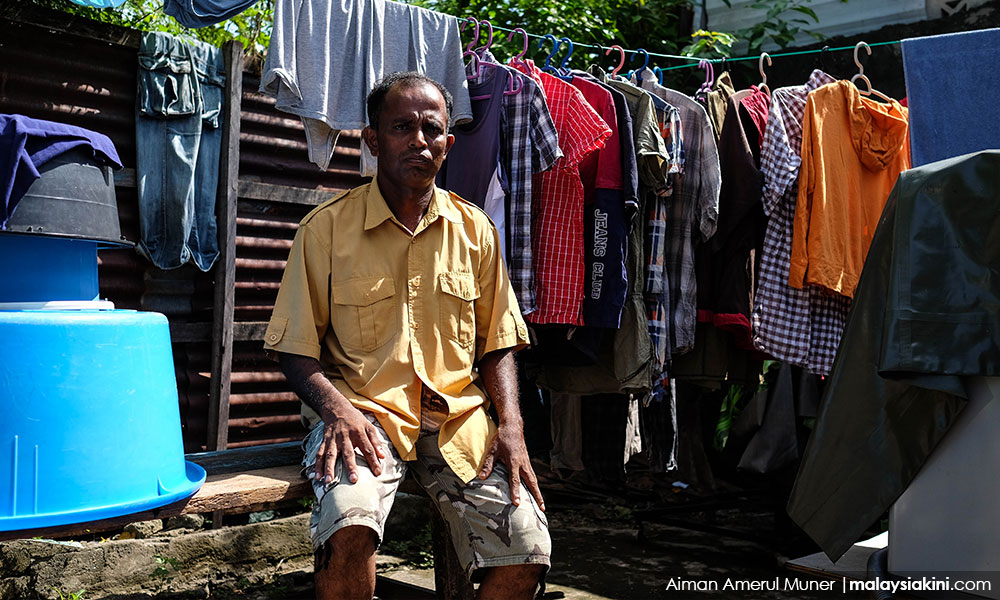
He and his other housemates had cleaned the single-storey terrace house with help from other Rohingya and NGO volunteers.
They have been the only source of help for him and other Rohingya refugees affected by the floods.
"The government hasn't given me any help," Muhammad told Malaysiakini.
The single father's story is no different than that of other Penangites hit by last weekend's floods which claimed seven lives.
The flood had reached unexpected levels, wreaking havoc on homes and destroying furniture and other belongings.
The RM500 one-off cash aid was meant to help alleviate the costs of recovery.
But Stanley Sudagharan Singh (photo), the co-founder of LifeBridge Learning Centre school for Rohingya children, expressed concerns that the aid will only be given to citizens.
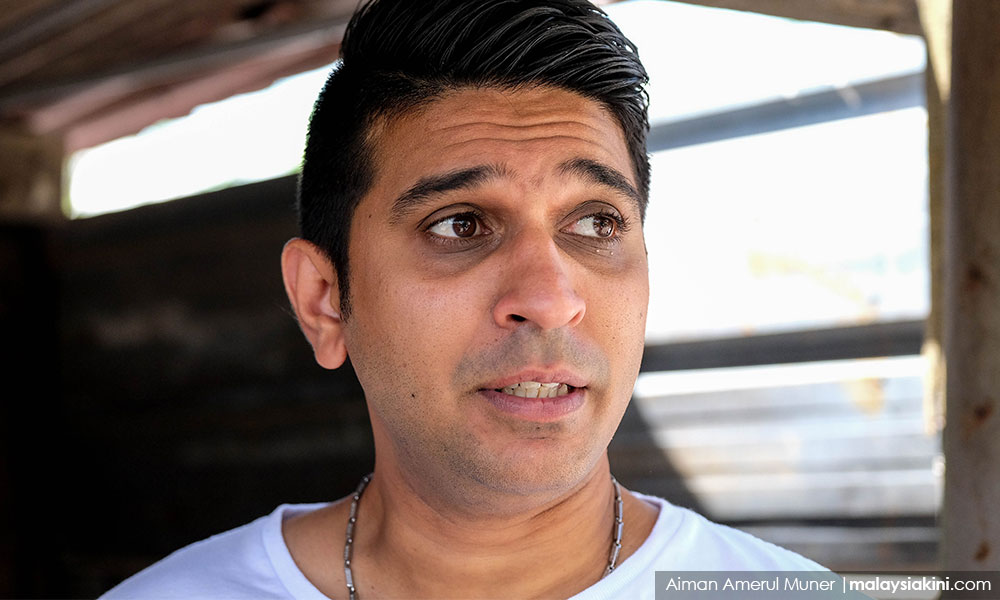
"Are refugees included in the aid programme? Or is it just for Malaysian citizens?
"The refugees were just as terribly affected as the other locals, and they are in a worse financial situation, they should rightfully also be given the RM500 aid," Stanley said.
LifeBridge is one of the groups helping the Rohingya in Penang recover from the flood, providing food, clothing and helping to clean their homes among others.
They estimate that in the Perai district alone, at least 40 Rohingya families were affected by last weekend's deluge.
Barely able to make ends meet
Despite the dire straits the refugees face, Muhammad is one of the more fortunate members of his community.
The 35-year-old single father is still able-bodied, and thus still capable of working odd jobs to earn a living and make ends meet.
Others such as Shamsul Muhammad, 27, aren't so lucky.
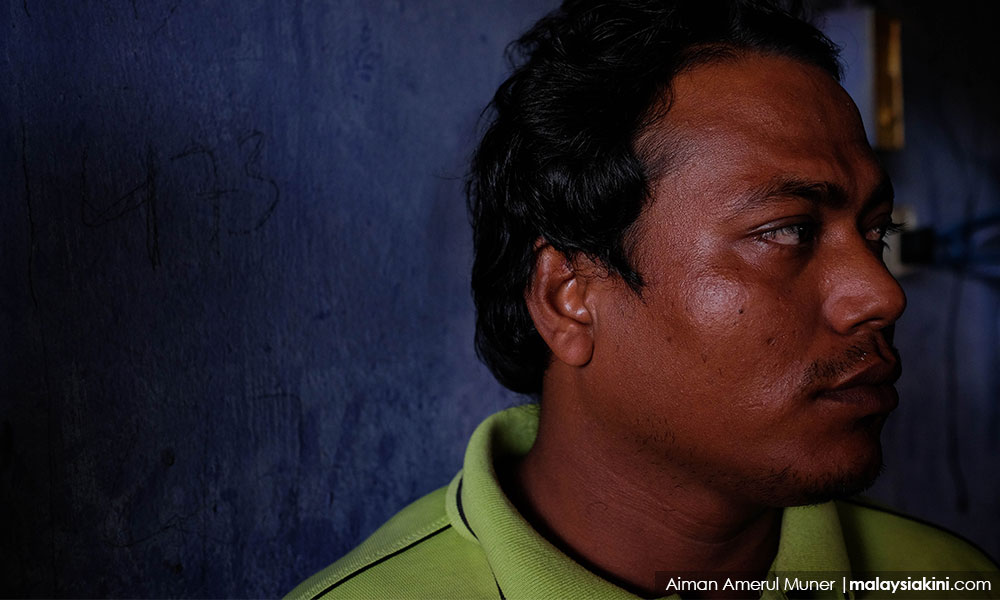
"I fell while doing construction work, and I had to have surgery to have a metal rod put in my leg.
"I can't work anymore," Shamsul (photo) said, adding that he has been jobless for three years.
His wife, who is also Rohingya, is now the family's breadwinner, working as a cleaner.
But with two children including a three-month-old baby to care for, Shamsul says the couple are barely able to make ends meet.
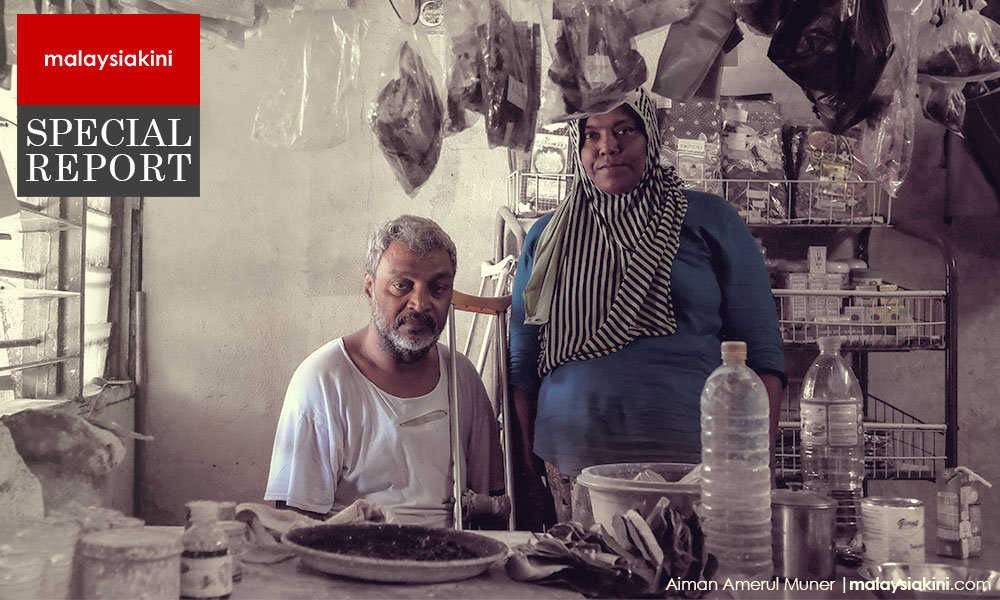
Shamsul's troubles are similar to that of 65-year-old Muthu Rahmat Muthi Rahman (photo), who is also a former construction worker forced out of employment due to a leg injury.
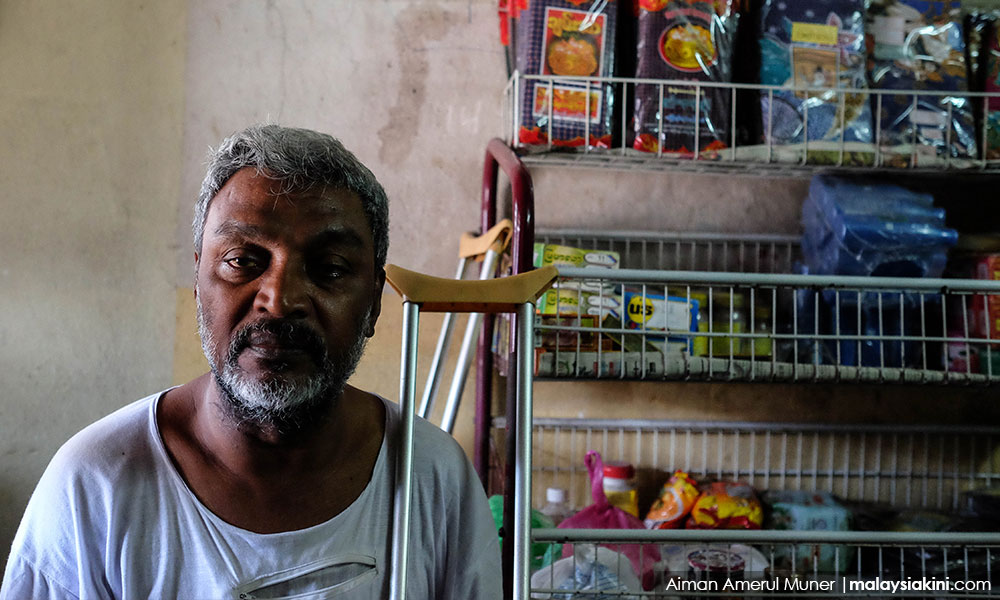
He and his wife Shahidah, 52, had moved to Malaysia at a time when there was no ethnic strife between Rohingya and Rakhine's Buddhist community, and migration was driven by economic factors.
Now the couple makes a small living by selling sundry goods such as instant coffee to their neighbours.
"We managed to save our goods during the flood by tying it close to the ceiling," Shahidah said.
Despite the community's hardships, there may be a glimmer of hope for some reprieve from their struggles.
Stella Antoniammal Arokia Dass, the principal of the LifeBridge school, said the United Nations High Commissioner for Refugees (UNHCR) wants to give aid to the Rohingya affected by the floods.
"But we're not quite sure what kind of aid it will be just yet," she said.


Are you sure you want to delete this comment?
This action cannot be undone.