
Private yachts and jets not GST-exempt, Johari says
PARLIAMENT | Second Finance Minister Johari Abdul Ghani said the goods and services tax (GST) will be imposed on anyone buying jets and yachts for private usage.
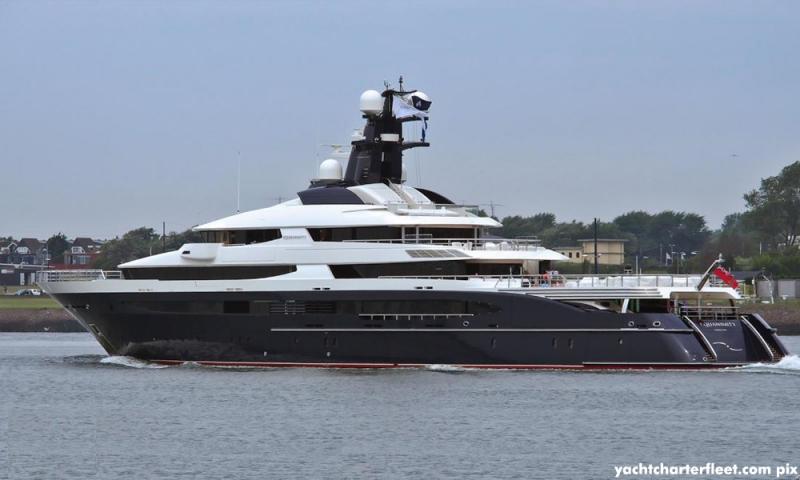
He said this during the winding up of the Budget 2018 debate in the Dewan Rakyat, in response to a question from Wong Chen (PKR-Kelana Jaya) on whether someone who purchases a superyacht like the one belonging to 1MDB-linked businessperson Low Taek Jho would be charged GST.
"If we buy a yacht, like Jho Low, for private usage, will this be exempted? If this is exempted, it is unacceptable," said Wong.
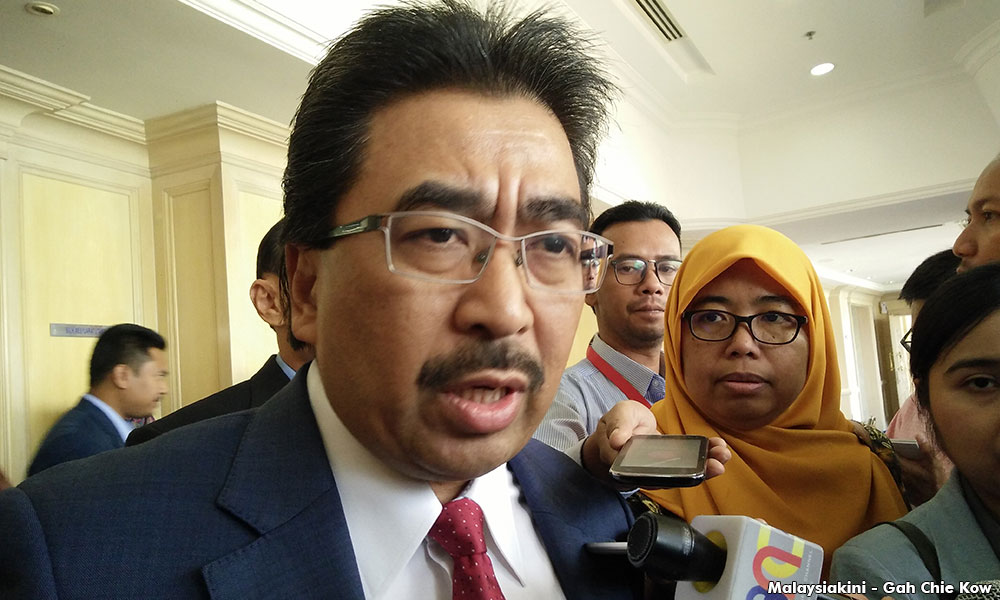
Johari (photo) explained that GST exemption for jets and yachts only apply for investment deals that have a strategic impact on the economy...
PARLIAMENT | Second Finance Minister Johari Abdul Ghani said the goods and services tax (GST) will be imposed on anyone buying jets and yachts for private usage.
He said this during the winding up of the Budget 2018 debate in the Dewan Rakyat, in response to a question from Wong Chen (PKR-Kelana Jaya) on whether someone who purchases a superyacht like the one belonging to 1MDB-linked businessperson Low Taek Jho would be charged GST.
"If we buy a yacht, like Jho Low, for private usage, will this be exempted? If this is exempted, it is unacceptable," said Wong.

Johari (photo) explained that GST exemption for jets and yachts only apply for investment deals that have a strategic impact on the economy.
"So, when people purchase private jet and private yachts, we will charge (GST)," he said.
The minister further noted that jets purchased by national carrier Malaysia Airlines, AirAsia or Malindo will be exempted from GST.
Johari also admitted that GST and competitiveness were among the reasons that many local businesses are shutting down, but refused to go into more detail.
"This is a subject of investigation, so I cannot reveal (anything)," he said.
Finance Ministry will identify the reason behind the closure of these companies after the implementation of GST, he was quoted as saying by Bernama.
He noted that several reports that some businesses shut down to avoid their previous tax evasion under sales and services tax (SST) being detected by GST system.
“Most of these companies, that have been operating since 18 to 20 years ago, paid 10 percent SST at a certain sum. (However) when we implemented the GST, they had to pay three times more tax than the SST," he stressed.
“So, what they did was to close the old companies for fear of their track records during the SST era being detected under the GST. They transferred all assets to new companies they had opened and started the GST system under these new companies.
"They did this so that the government could not track their records under the old companies," he said.
The GST was enforced on April 1, 2015 at a rate of six percent, replacing the SST regime, with 553 types of goods and services zero-rated and another 25 being GST-exempt.


Are you sure you want to delete this comment?
This action cannot be undone.