


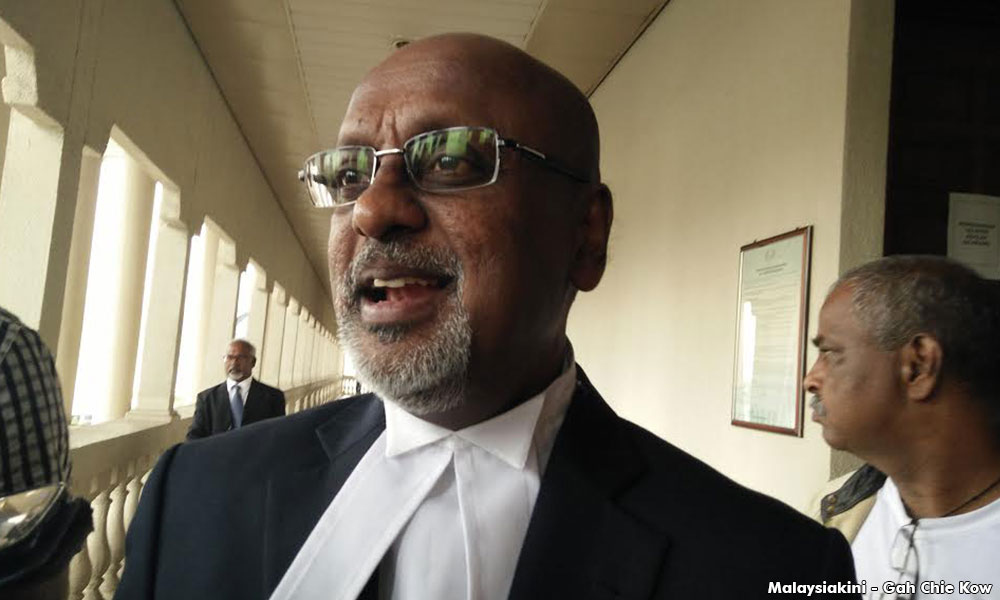

Court rules Section 233 of Communications Act is constitutional
The High Court in Kuala Lumpur today ruled that Section 233 of the Communications and Multimedia Act 1998 (CMA) is constitutional, and does not violate Articles 8 and 10 of the Federal Constitution.
Article 8 pertains to equality and Article 10 guarantees freedom of expression.
In dismissing Subang MP Sivarasa Rasiah's appeal, Justice Mohd Sofian Abd Razak said freedom of expression is not absolute to those charged under that section...
The High Court in Kuala Lumpur today ruled that Section 233 of the Communications and Multimedia Act 1998 (CMA) is constitutional, and does not violate Articles 8 and 10 of the Federal Constitution.
Article 8 pertains to equality and Article 10 guarantees freedom of expression.
In dismissing Subang MP Sivarasa Rasiah's appeal, Justice Mohd Sofian Abd Razak said freedom of expression is not absolute to those charged under that section.
Section 233 criminalises use of the Internet for communications that are "obscene, indecent, false, menacing or offensive in character with intent to annoy, abuse, threaten or harass another person".
The judge cited a case law from the United Kingdom, where it was ruled that a person who puts up offensive material on the multimedia can be charged in court.
"Hence, the application is dismissed and the court fixes Feb 6 for the case to be mentioned at the Cyber Court," Justice Mohd Sofian said.
It was previously reported that the Sessions (Cyber) Court had also dismissed Sivarasa's application on Nov 27, 2016, and the lawmaker filed his appeal to the High Court.
Sivarasa, who is represented by Gurdial Singh Nijhar, said he would appeal against today's decision.
Deputy public prosecutor Mohd Sophian Zakaria appeared for the prosecution.
Sivarasa was charged on April 15 last year for posting a doctored Time magazine cover on his Facebook account that featured Prime Minister Najib Abdul Razak along with the words "No 2 on the most corrupt list", which Sivarasa took down on the same day after learning that it was a fake.
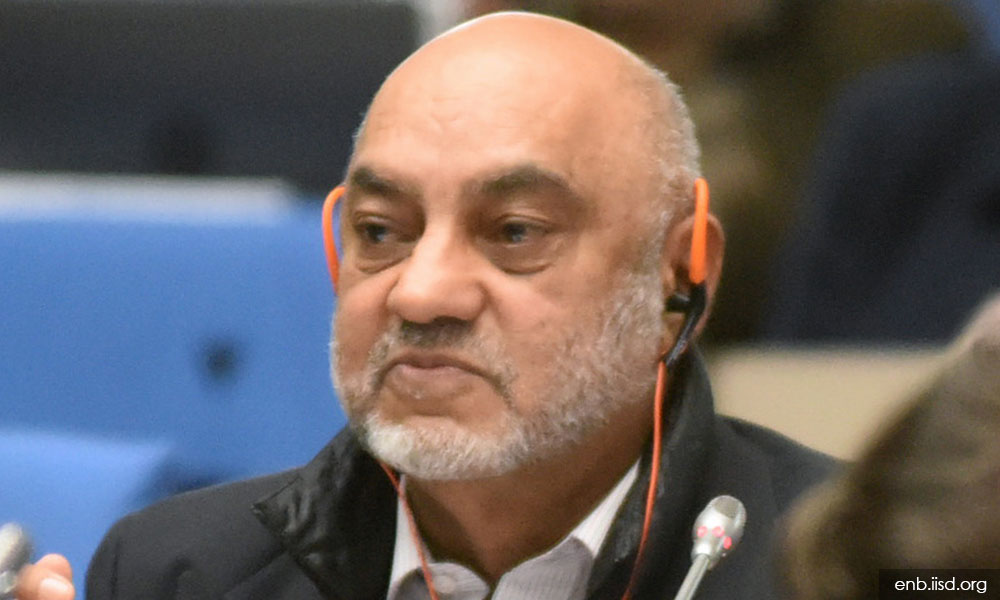
During the hearing, Gurdial (photo) cited Section 30 of the Courts of Judicature Act 1964 (CJA), which states that subordinate courts “may” refer cases to the High Court if a constitutional issue arises in its proceedings.
He argued that previous court rulings had said that the word “may” should be read as “shall”, in line with Section 84(4) of CJA.
Section 84(4) stipulates that a High Court judge shall refer constitutional issues as a “special case” to the Federal Court in the form of a yes-or-no question.
On Dec 12 last year, the High Court overturned the Sessions Court decision not to refer constitutional matters in the CMA to the High Court.
Malaysiakini's editor-in-chief Steven Gan and chief executive officer Premesh Chandran have also been charged under Section 233 of CMA. They both claimed trial.


Report this comment
Are you sure you want to delete this comment?
This action cannot be undone.