




Bank Islam posts massive losses over bad loans
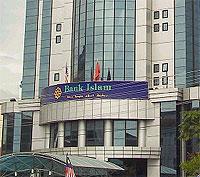
Malaysia's first ever Islamic bank has posted losses of over US$120 million and moved into the red over a slew of bad loans acquired during the Asian financial crisis, reports said Saturday.
Malaysia's first ever Islamic bank has posted losses of over US$120 million and moved into the red over a slew of bad loans acquired during the Asian financial crisis, reports said Saturday.
BIMB Holdings, which controls Bank Islam Malaysia, posted a net loss of RM456.44 million (US$120.75 million) for the financial year to June against a net profit of RM85.74 million a year earlier.
The losses, due to higher provisions for non-performing loans, was the banking group's first loss in 22 years, said the New Straits Times .
 The net loss of RM456.44 million was mainly due to a provision of RM774 million, most of which is set aside for loans that the lender may not be able to recover, it said.
The bulk of the provisions were due to non-performing loans (NPLs) of the bank's offshore unit in Labuan, Malaysia's offshore financial hub, given out to companies in Sarajevo, Bosnia-Hercegovina and South Africa, said the report.
Talks are also under way with Middle East investors who are keen to buy a stake in the bank, which could help it to raise fresh capital.
"These foreign partners may take up to 49 percent equity in the bank as allowed by the government. The deal may take place in March next year," Bank Islam managing director Noorazman A Aziz was quoted as saying.
Stiff competition
The foreign partners have already obtained approval from the central bank, he added.
A special purpose vehicle will be set up to recover RM1.7 billion of the RM2.2 billion ringgit worth of non-performing loans, said the Star.
"The banking industry is now on a different threshold and Bank Islam is facing stiff competition not only from other Islamic banks, Islamic banking subsidiaries and windows in the country, but also from conventional banks," said Noorazman.
"We feel that it is timely to address this long-standing issue now rather than delaying the inevitable."
Malaysia, largely Muslim but with sizeable Chinese and Indian minorities, is a leader in Islamic banking after introducing the service in 1983 which provides products and services that comply with Syariah or Muslim religious laws banning the earning of interest.
The central bank this year eased restrictions on foreign ownership in local Islamic banks, raising the ceiling to 49 percent from 30 percent so as to boost Malaysia's aim to become a key Islamic financial hub in the region.


