



Before Harapan's reforms, it must steer M'sia clear of impending storm
GE14 | Pakatan Harapan, under the leadership of Dr Mahathir Mohamad, pulled off an unprecedented victory in the May 9 general election, ending more than six decades of rule by BN and the Alliance.
Following the coalition's victory, there was much celebration and euphoria - but this may not last for long as the country will need to endure some short-term pain that is typical when there is a change of the regime that has been in power for too long.
Harapan is mindful of this and has already taken measures to mitigate the impending storm, even before it won power...
GE14 | Pakatan Harapan, under the leadership of Dr Mahathir Mohamad, pulled off an unprecedented victory in the May 9 general election, ending more than six decades of rule by BN and the Alliance.
Following the coalition's victory, there was much celebration and euphoria - but this may not last for long as the country will need to endure some short-term pain that is typical when there is a change of the regime that has been in power for too long.
Harapan is mindful of this and has already taken measures to mitigate the impending storm, even before it won power.
While declaring the two days after polling day as public holidays may appear to be a simple case of wanting to make things convenient for voters, it also has economic significance.
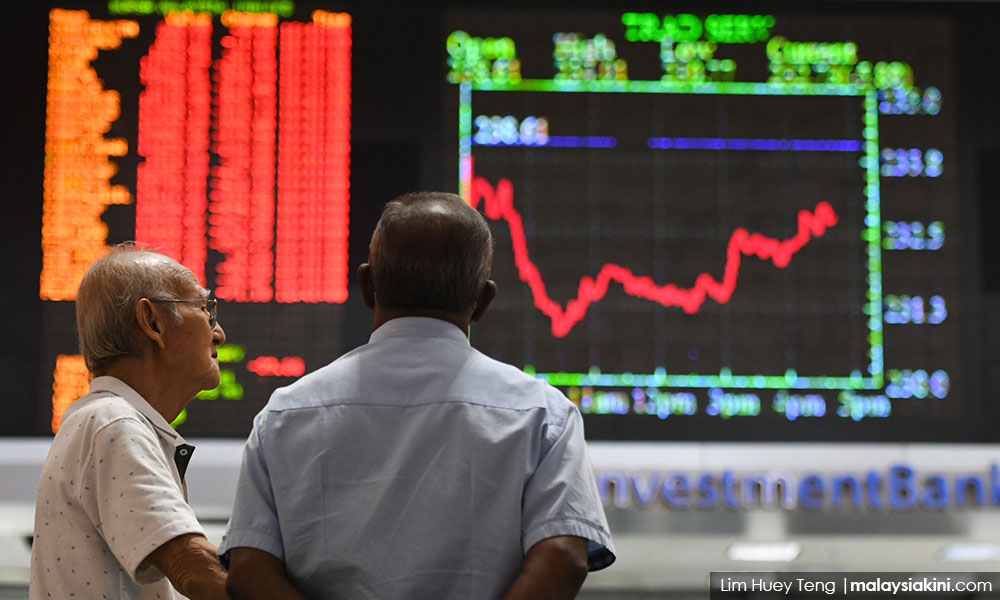
This ensures that Bursa Malaysia remains closed, right into the weekend, and allows time for investors to absorb the new realities.
A stock market sell-off is typical in any unexpected political development, such as the Brexit vote.
The currency also remains unchanged, although offshore trading has already seen a decline in the ringgit.
On the eve of polling day, the Harapan presidential council also issued a statement promising "fiscal reforms" in the first 100 days.
It also assured that top business figures would be roped in to help with the fiscal reforms.
'Malaysia now in uncharted waters'
The move appeared to be an attempt to placate investors who may be spooked, in anticipation of a victory by the then opposition coalition.
Earlier today, Moody's sovereign risk group vice-president Anushka Shah said Malaysia was now in uncharted waters.
"Little is known about the opposition’s full range of economic policies, and its electoral pledges have lacked details that would allow for a full assessment of their budgetary and macroeconomic impact.
"Some campaign promises, if implemented without any other adjustments, would be credit negative for Malaysia’s sovereign," she said in a statement.
"These include a proposed abolition of the goods and services tax which, without offsetting measures, would increase Malaysia’s reliance on oil-related revenues and, in the near term at least, narrow the government’s revenue base.
"Another policy pledge, the reintroduction of fuel subsidies, would also distort market-determined price mechanisms, with effects on both the fiscal position and balance of payments," she added.
Before Harapan can embark on implementing its manifesto, it will need to shore up confidence.
On the plus site, Harapan is coming into power at a time when oil prices have rebounded to record high, with Brent crude oil hitting US$77.71 per barrel this morning.
The high oil price can help ensure strong revenue for the country during a period of uncertainty.


