



Batu Caves temple board told to come clean on land deal
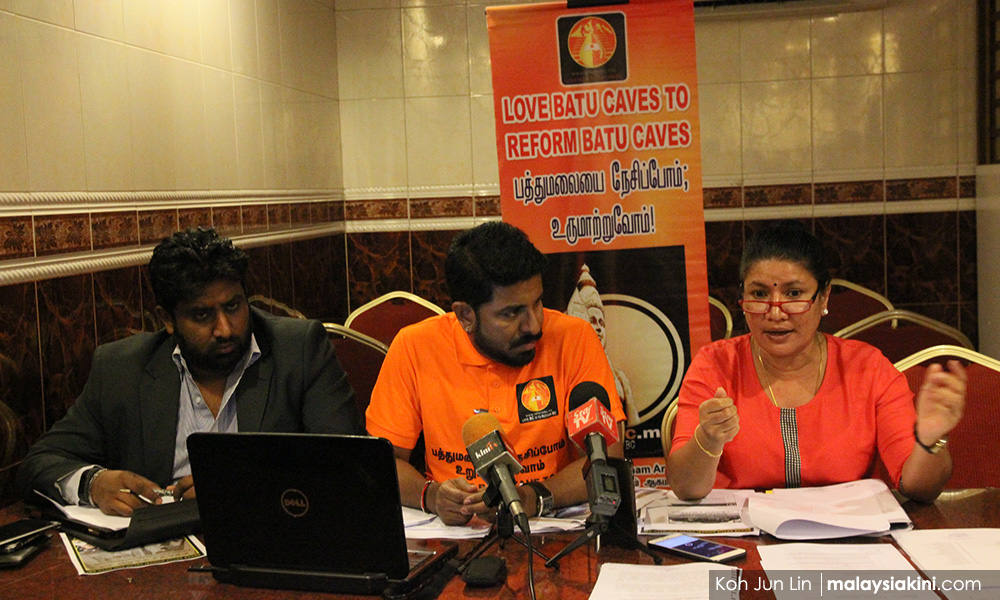
The Agamam Ani Hindu Association has urged the board of the Sri Maha Mariamman Temple in Batu Caves to explain a slew of alleged discrepancies in a 2014 deal involving a plot of land in Kuala Lumpur.
“We want the Batu Caves management to immediately come clean. Agamam Ani is going to give 48 hours (from yesterday) before this request goes directly to the 73 members ..in the board to come clean.
The Agamam Ani Hindu Association has urged the board of the Sri Maha Mariamman Temple in Batu Caves to explain a slew of alleged discrepancies in a 2014 deal involving a plot of land in Kuala Lumpur.
“We want the Batu Caves management to immediately come clean. Agamam Ani is going to give 48 hours (from yesterday) before this request goes directly to the 73 members of the board to come clean.
“If not, we will pursue all means possible to implicate each and every member of the board – good and bad, know or do not know, that does not matter. They are in the position of knowing all this information that we have presented today.
“You must come clean and tell us exactly what happened. You have collective moral and legal responsibility to come out,” Agamam Ani Malaysia chairperson Arun Doraisamy told a press conference in Petaling Jaya yesterday.
The deal concerns a 4.5-acre plot in Jalan Kuching that is reportedly being developed into a mixed development that includes serviced apartments, offices, and retail outlets.
The joint development agreement was signed between the Sri Maha Mariamman Temple Dhevasthanam as the landowner and a developer on Oct 24, 2014.
Different company, similar name
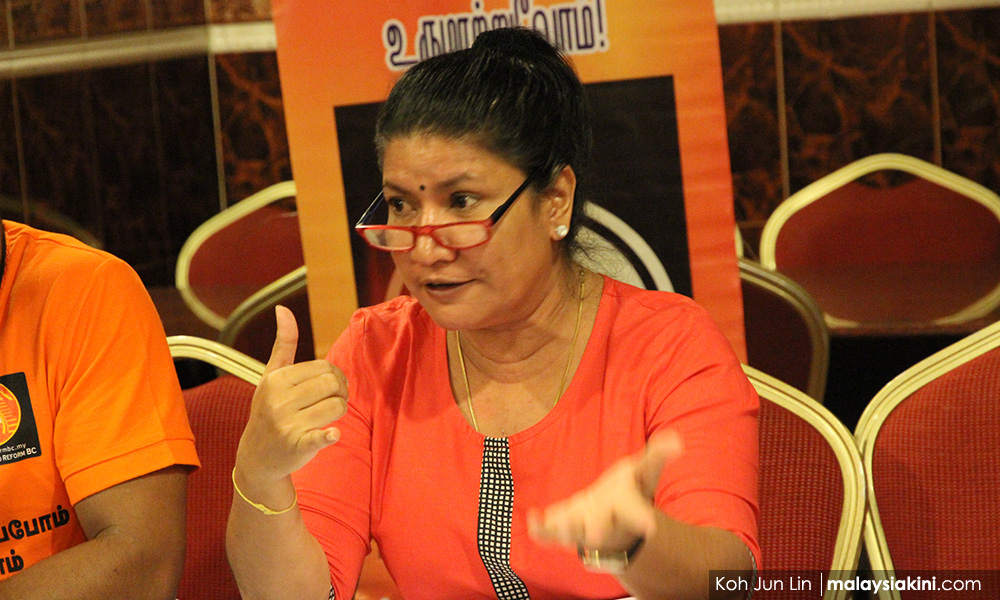
According to Agamam Ani legal advisor Saraswathy Kandasami (photo), however, a different company with a similar name had claimed to be the developer in a statutory declaration, and entered into a private caveat on the land on May 8 last year.
In the statutory declaration, the second company’s directors claimed to have signed a joint venture agreement with the temple’s board on Oct 24, 2014, and is therefore entering the caveat to protect its interests on the land.
Saraswathy questioned how an entity different from the one that entered into the joint development agreement could have entered into a caveat on the land, and whether the temple’s board was aware of it.
Moreover, she said the company profile provided by the Companies Commission of Malaysia as of May 23 states that the company named in the caveat application as the developer was incorporated on July 20, 2016 – nearly two years after the joint venture agreement was signed.
The profile also stated that the company is dormant with a paid-up capital of RM2 and no business address – though it shares the same registered address as the first development company named in the joint venture agreement.
Saraswathy also pointed out that the two owners and directors stated in the profile of the second company were only appointed to their directorships after the caveat application was made.
However, these two directors – whose names and IC numbers appear on the caveat application – matched two of the three directors of the first company.
Purported copies of the joint development agreement, an extract of the caveat application and supporting documents from the Selangor land office, company profiles, and other documents had been distributed to the media during the press conference.
Malaysiakini has contacted the company named in the joint venture agreement yesterday and is withholding its name pending comment.
Attempts are also being made to reach other parties implicated, including the temple board.
‘How much is the temple being paid?’
Meanwhile, Saraswathy said a law firm acting on behalf of the second company had also issued a statement on Thursday claiming that the actual developer of the land is first company, with the other merely being the project management consultant.
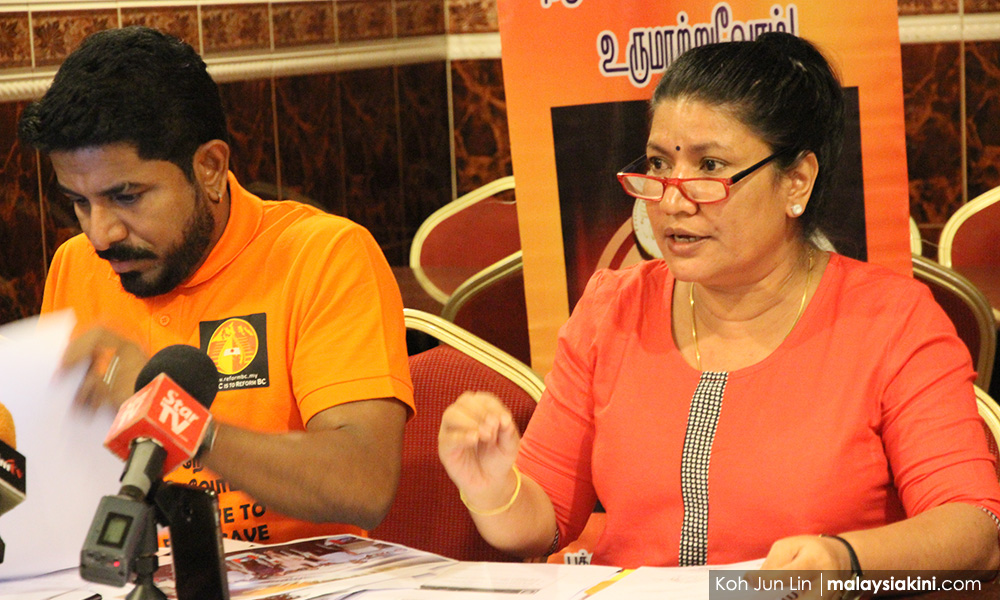
She said this only raises more questions on how a consultant could enter a caveat on the land – especially as the statement from the law firm contradicts the statutory declarations used to support the caveat application.
She also raised questions on how much is being owed to the temple’s board, and whether payments are being made.
The joint development agreement purportedly states that the temple’s board is entitled to 25 percent of the project’s gross development value (GDV), which comes to RM62.5 million.
The agreement further states that the board’s entitlement will be increased accordingly if the actual GDV is found to higher.
Payment is supposed to be made in two and a half years after the date of the agreement (April 2017), and is to be fully settled within four years of the date of the agreement (Oct 2018).
As Saraswathy noted, however, the company’s directors were quoted in the press in October last year stating that the estimated GDV of the project was RM648 million – meaning that the board is entitled to RM162 million instead of RM62.5 million.
She said it would be understandable if the actual GDV was found to be slightly higher than the initial estimate, but the discrepancy in this case is too much.
“It is a difference of RM400 million (in GDV). So, did the board do a proper evaluation before handing over this land to the developer?
“When this re-evaluation was done… why didn’t this go back to board to say that now they’re supposed to get not RM62.5 million but RM162 million. That is why today we are asking what happened to the RM100 million,” she said.
She claimed she had spoken to several members of the board, who supposedly told her on condition of anonymity that they are not aware of payments being made or the status of the project.
Losing control
Meanwhile, Arun expressed concern that the board may have already lost control over the land despite being the landowner.
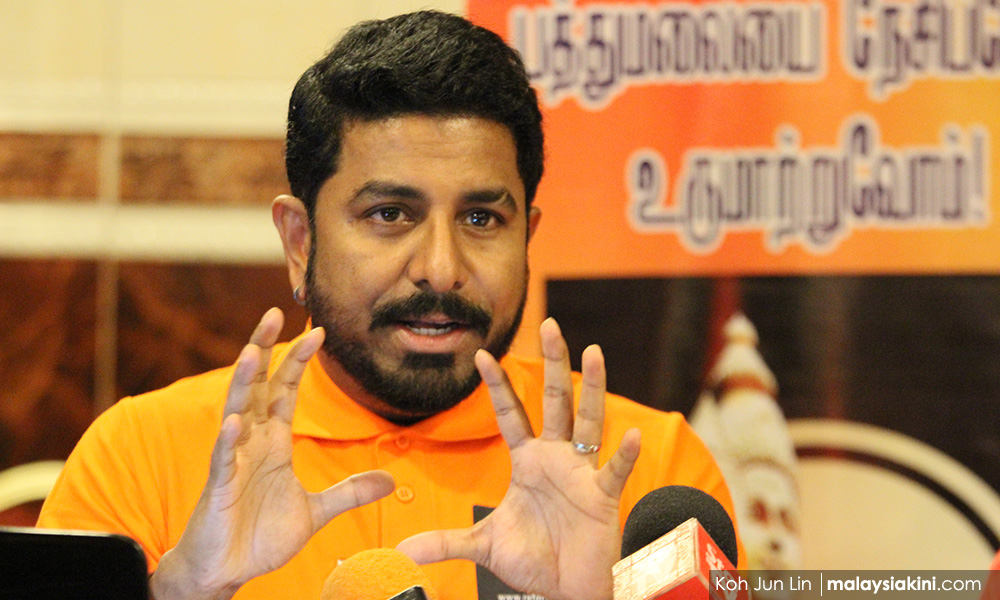
This is because a clause of the joint development agreement grants the developer “absolute power of attorney.”
Saraswathy, a lawyer by profession, also claimed that the joint development agreement is lopsided in the developer’s favour.
Apart from power of attorney to, she said the ten-page agreement also lacks clauses that would have protected the board’s interests.
This includes clauses specifying liquidated ascertained damages to be paid by the developer in case the project is delivered late.


Are you sure you want to delete this comment?
This action cannot be undone.