



Make Asian Int'l Arbitration Centre more transparent, reforms committee told
The Committee on Institutional Reforms has been urged to look into reforming the Asian International Arbitration Centre (AIAC), to make it more transparent in its functions of arbitration and adjudication.
The AIAC was previously known as the Kuala Lumpur Regional Centre for Arbitration...
The Committee on Institutional Reforms has been urged to look into reforming the Asian International Arbitration Centre (AIAC), to make it more transparent in its functions of arbitration and adjudication.
The AIAC was previously known as the Kuala Lumpur Regional Centre for Arbitration.
It has three mandatory functions, namely international arbitration, domestic arbitration and construction industry payment disputes.
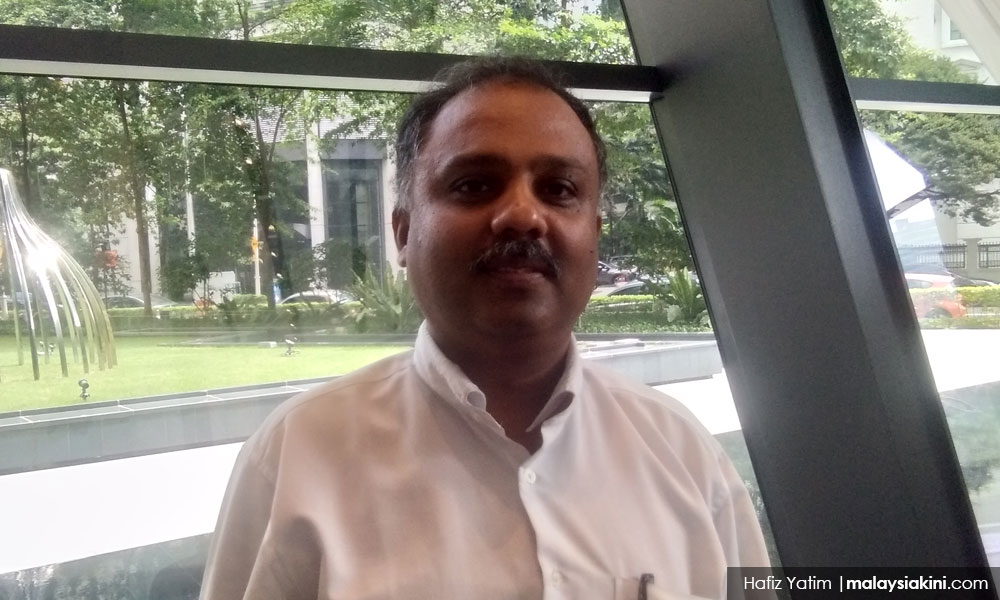
This reform, according to lawyer and arbitrator Arun Kasi, can be implemented by amending the Arbitration Act 2005 to include the centre’s administrative functions.
He said given that the AIAC’s revenue and expenses are statutory, there has to be full transparency, accountability and good governance in its administration.
"Throughout the years we do not know how much revenue it receives and how much is spent," he told Malaysiakini after handing over a memorandum and recommendations on the AIAC to the committee at Ilham Tower yesterday.
Furthermore, Arun said how the AIAC’s director is chosen is not currently disclosed to the public.
At present, the centre’s director is Sundra Rajoo, who has helmed the organisation for 13 years.
Similarly, the lawyer said since the appointment of the AIAC advisory board is within the director’s purview, it also raises questions about how board members are chosen and whether they are appointed in a transparent manner.
"With the change in government I think the AIAC should be reformed for it to be more transparent as it is one of the bodies giving people or litigants access to justice," he said.
"This is in line with the new government wanting everything to be transparent," he said.
Citing a further example, Arun said it is not publicly known how an arbitrator or adjudicator is appointed, as according to the Arbitration Act 2005 and the Construction Industry Payment and Adjudication Act 2012, the director makes the appointment.
"This is done without specifying how the director would work in carrying out these statutory functions. Absolute power would only lead to dictatorship. In a justiciable system, conferment of power must come with provisions for its administration," he said.
High charges
Arun also claimed that the charges imposed by AIAC are high, unlike those imposed by the civil court, and this would impede access to justice.
He said for the appointment of an ad hoc arbitrator, the fee charged by the AIAC is RM1,500. Registration and appointments cost RM250 and RM400 respectively.
"Besides this, the AIAC charges an administrative fee of 20 percent of the adjudicator's fee. This is compulsory to be paid by the claimant and respondent.
"The adjudicator's fee (and the administrative fee) charged by the AIAC is disproportionately high, when compared with cost at court," he claimed further.
Arun further highlighted the centre’s launch of a book, “Fiat Justitia”, which contained the works and judgments of former Federal Court judge and then-attorney-general Mohamed Apandi Ali in 2016.
He questioned choosing the AIAC as the venue for the book’s launch, given that the AIAC director is appointed on the recommendation of the attorney-general.
To avoid future controversies, Arun proposed to the Committee on Institutional Reforms that the post of director be rotated every two years to ensure transparency, and that a similar system be introduced in appointing arbitrators and adjudicators.
He also suggested to the committee that the Arbitration Act should be amended to include administrative provisions.


Report this comment
Are you sure you want to delete this comment?
This action cannot be undone.