



Why M’sians cannot afford Umno’s abrupt meltdown
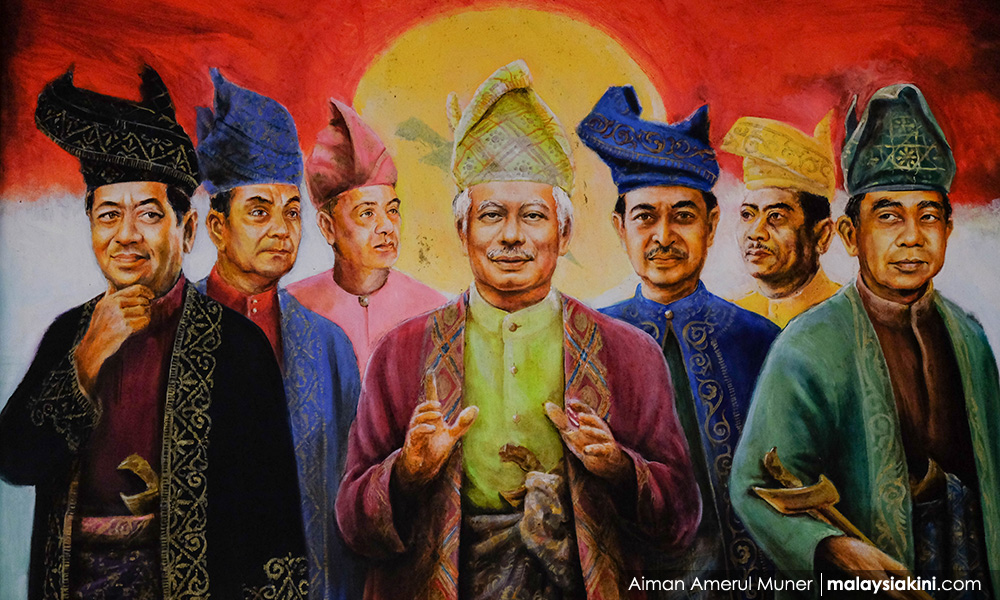
COMMENT | The news that the Malaysian Anti-Corruption Commission (MACC) has frozen the bank accounts of Umno national and its Selangor chapter has excited many Malaysians.
Some would hope for the Registrar of Society (ROS) to further deregister Umno on technical ground as it once did Bersatu.
Understandably, many blame Umno for everything that goes wrong in Malaysia and want nothing but its complete demise.
However, Malaysia cannot afford an abrupt meltdown of Umno. Here are the three unintended consequences that those want to see Umno dead as soon as possible may want to consider.
Consequence 1: PAS will be the main opposition
As long as there are elections, there will be opposition. There are always some voters who would vote against the government, and a winner-takes-all electoral system like Malaysia’s first-past-the-post will drive their votes to the strongest opposition.
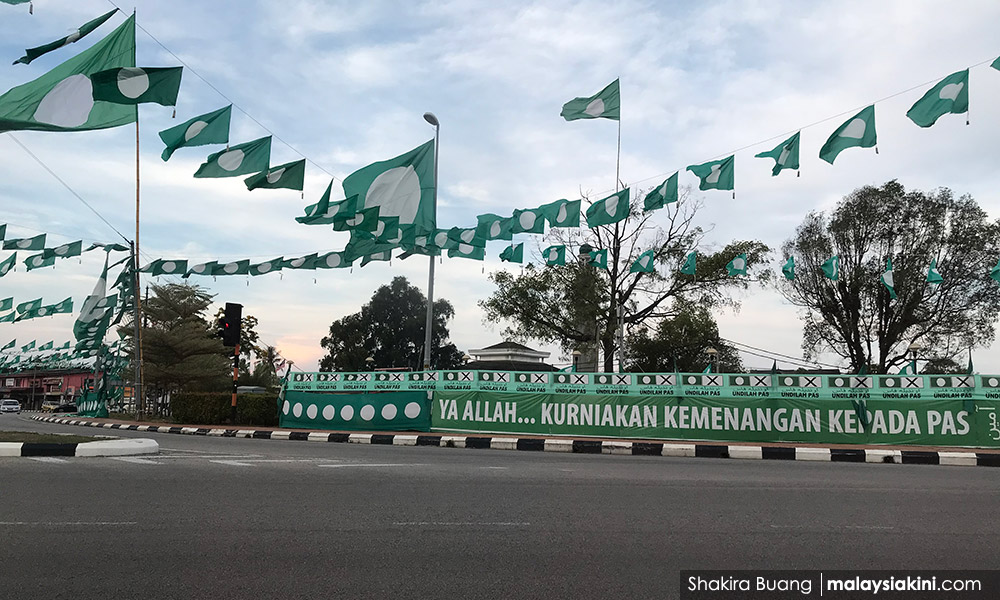
In the GE14, Umno and PAS respectively won 22% and 19% of the total valid votes cast in Peninsular Malaysia, and most of their voters are Malays. The first direct consequence of Umno’s abrupt meltdown would be PAS absorbing a substantial part of Umno’s base. If it takes only half of Umno’s support, PAS would have a 30% electoral base in the peninsula to start with.
This would not be enough for PAS to win federal power but PAS can certainly go beyond Kelantan and Terengganu and expand to Perlis, Kedah and Pahang at the next elections.
Will this fortified PAS – perhaps analogous to Muslim NGO Isma functioning as a political party – contest against Pakatan Harapan on issues of good governance and bread-and-butter, or on how to implement hudud punishments across the country?
Political parties are often but vehicles of the social forces they represent. Malay ethno-nationalism represented by Umno – loathed by so many liberals and non-Malays – is unfortunately not imposed by Umno on a Malay constituency otherwise wanting a colour-blind Malaysia but rather what Umno offers to meet the market demand.
Destroying the vehicle before the social realities change will only drive those voters picking a more radical vehicle. If the lavish style of Najib Razak is an issue, then blame it on secularism and have a greater dose of religious politics.
Consequence 2: Umno lawmakers crossing over to Harapan
If Umno is administratively terminated or financially starved to death, of course not everyone would join PAS. In fact, more would jump to Harapan – especially Bersatu and...
COMMENT | The news that the Malaysian Anti-Corruption Commission (MACC) has frozen the bank accounts of Umno national and its Selangor chapter has excited many Malaysians.
Some would hope for the Registrar of Society (ROS) to further deregister Umno on technical ground as it once did Bersatu.
Understandably, many blame Umno for everything that goes wrong in Malaysia and want nothing but its complete demise.
However, Malaysia cannot afford an abrupt meltdown of Umno. Here are the three unintended consequences that those want to see Umno dead as soon as possible may want to consider.
Consequence 1: PAS will be the main opposition
As long as there are elections, there will be opposition. There are always some voters who would vote against the government, and a winner-takes-all electoral system like Malaysia’s first-past-the-post will drive their votes to the strongest opposition.
In the GE14, Umno and PAS respectively won 22% and 19% of the total valid votes cast in Peninsular Malaysia, and most of their voters are Malays. The first direct consequence of Umno’s abrupt meltdown would be PAS absorbing a substantial part of Umno’s base. If it takes only half of Umno’s support, PAS would have a 30% electoral base in the peninsula to start with.
This would not be enough for PAS to win federal power but PAS can certainly go beyond Kelantan and Terengganu and expand to Perlis, Kedah and Pahang at the next elections.
Will this fortified PAS – perhaps analogous to Muslim NGO Isma functioning as a political party – contest against Pakatan Harapan on issues of good governance and bread-and-butter, or on how to implement hudud punishments across the country?
Political parties are often but vehicles of the social forces they represent. Malay ethno-nationalism represented by Umno – loathed by so many liberals and non-Malays – is unfortunately not imposed by Umno on a Malay constituency otherwise wanting a colour-blind Malaysia but rather what Umno offers to meet the market demand.
Destroying the vehicle before the social realities change will only drive those voters picking a more radical vehicle. If the lavish style of Najib Razak is an issue, then blame it on secularism and have a greater dose of religious politics.
Consequence 2: Umno lawmakers crossing over to Harapan
If Umno is administratively terminated or financially starved to death, of course not everyone would join PAS. In fact, more would jump to Harapan – especially Bersatu and PKR.
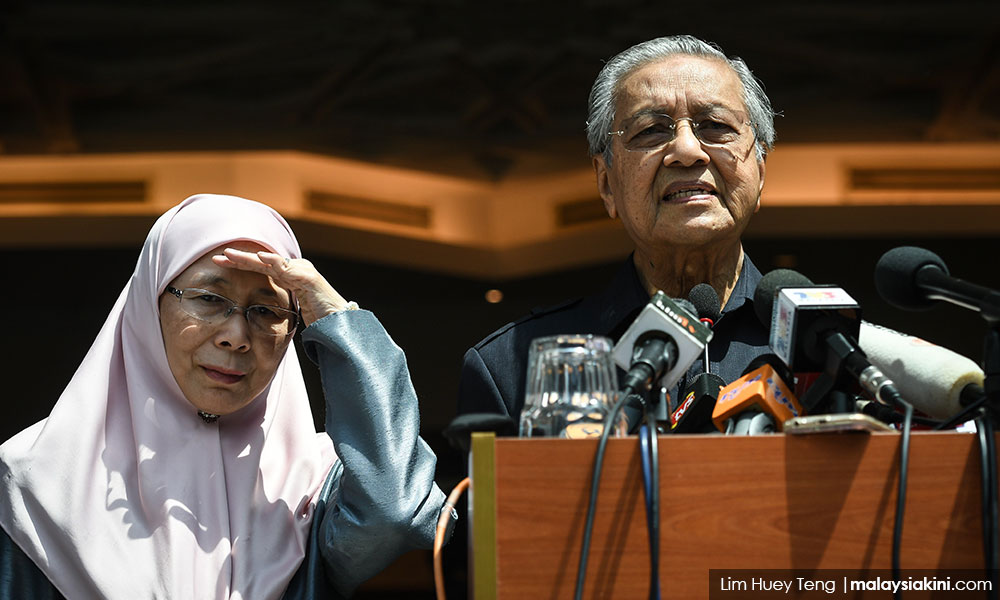
In fact, these two parties are structurally forced by the BN model of a permanent coalition to compete in courting Umno turncoats. Hence, Bersatu leader Dr Mahathir Mohamad’s about-turn on accepting defectors and PKR leader Dr Wan Azizah Wan Ismail’s subsequent welcoming position.
Under the BN model, constituencies are allocated to component parties on a near-permanent basis - those constituencies won are certainly to be kept by the incumbent parties, only the lost ones may be negotiated for swap between allies, but it means nothing if those seats are opposition’s strongholds. In other words, the BN model forces the parties to be bonsai, unless the total number of constituencies can be increased.
Now look at the circumstances PKR and Bersatu are stuck in. In the peninsula, PKR won 41 out of 52 seats contested, which means it can only hope to win nine more in GE15. Bersatu won 13 out of 51 contested but the remaining constituencies are mostly strongholds for Umno and PAS. The original 46 Umno parliamentarians (now 44 after MP for Bukit Gantang becoming a “Mahathir-supporting independent” and MP for Bagan Serai's subsequently quitting) are therefore good catches – PKR can go beyond its limit of 52 in the peninsula while Bersatu gets to realistically expand its territories.
Discrimination against the opposition in funding – whether for parliamentarians or state governments - is simply a cue for opposition lawmakers or state governments to join the government. Sarawak Chief Minister Abang Johari Openg made this message very clear to Harapan parties in 2017 through SUPP president Dr Sim Kui Hian.
For those who love to see BN lawmakers – and possibly their supporters – being punished, their vengeance will eventually get BN lawmakers joining Harapan.
Consequence 3: Implosion and composition change of Harapan
What happens if Umno closes shop and most of its parliamentarians join Harapan and the remaining go PAS? This will likely lead to an implosion and a composition change of Harapan but not its collapse.
Ironically, the anti-competition BN model becomes most vulnerable when it becomes too successful.
Soon after BN won 91% of the parliamentary seats in 2004, internal conflicts quickly consume the coalition, especially Umno. On one hand, the little space left for outward expansion drew competitive energy inward, causing back-stabbing and one-upmanship contest in playing up to the gallery. On the other hand, the super-safe majority removed all restraints in bickering and communalism, which alienated voters.
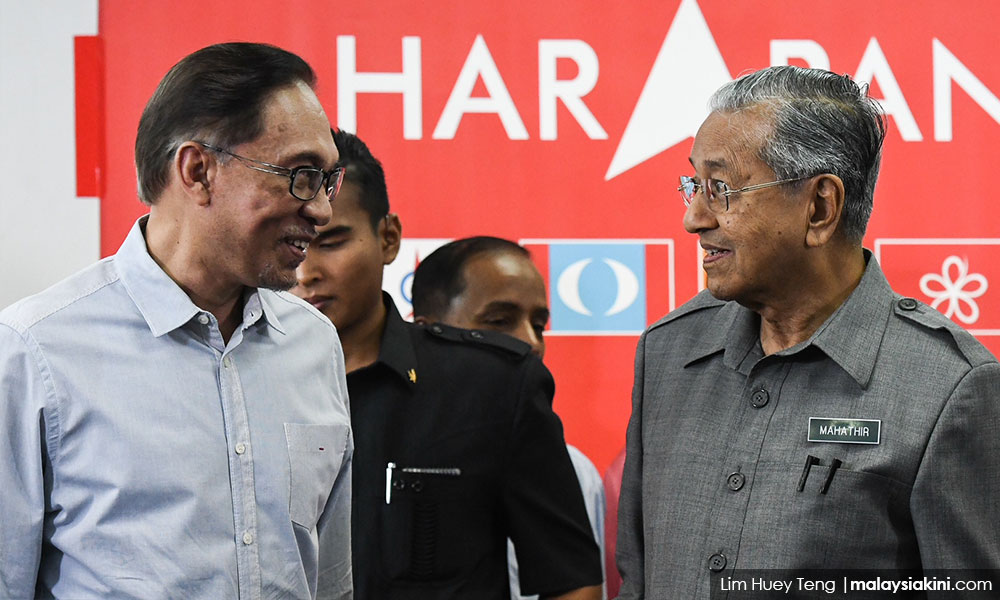
If most of Umno parliamentarians flood into Bersatu and PKR, the two parties and factions within them are likely to be drawn into intense conflicts. Bitter rivalry for executive posts and candidacy in GE15 over the safe seats will derail politicians from governing the country. If Mahathir and PKR de facto leader Anwar Ibrahim are still trapped into a prisoners' dilemma in the absence of a clear succession plan, this will likely result in an implosion but it would not kill Harapan.
If some MPs are forced to quit Harapan, many others from Umno and Sarawak’s GPS would be more than happy to replace them. So, what will eventually happen is a partial revival of BN through Harapan, but without the old name and symbol.
Harapan would certainly be less reform-minded (though still better than BN in the past) and PAS will get to absorb the disillusioned and anti-establishment votes amongst the Malay-Muslims. Harapan will then likely be forced to become religiously and ethnically less inclusive to match PAS.
How not to avoid the nightmare
As elections reflect the popular will, wanting an end of communal parties – whether it is Umno, PAS or Bersatu – before society moves away from communalism is both naïve and dangerous. In one of the worst scenarios, you will have a partial revival of BN in Harapan, leaving voters cynical and vulnerable to radicalisation.
I am not at all advocating for Umno to be spared its legal responsibility in the 1MDB scandal because of its necessity in the balance of power. Bring whoever responsible to face justice but if the new Malaysia wants to thrive, it must not send the wrong message that Umno is to be finished.
The least Harapan can do is to leave enough room and incentives for Umno to stay viable as an opposition even if it does not want Umno to recover its strength. If Umno can transform itself somehow and look legitimate and viable to win power in 10 years’ time, Harapan components will be kept on their toes and this might be a golden decade for Malaysia.
But Harapan should boldly reform the electoral system to allow both the component parties to compete healthily and to reduce messy factional warfare in control of safe seats. The first-past-the-post system is simply incompatible for coalition politics in a communally-divided society like ours. Harapan must start a national conversation on fixing our electoral and party system.
Don’t stick to a rotten system and rot with it.
WONG CHIN HUAT studies electoral, party and identity politics in Malaysia. He is head of the political studies programme at Penang Institute.
The views expressed here are those of the author/contributor and do not necessarily represent the views of Malaysiakini.


Report this comment
Are you sure you want to delete this comment?
This action cannot be undone.