


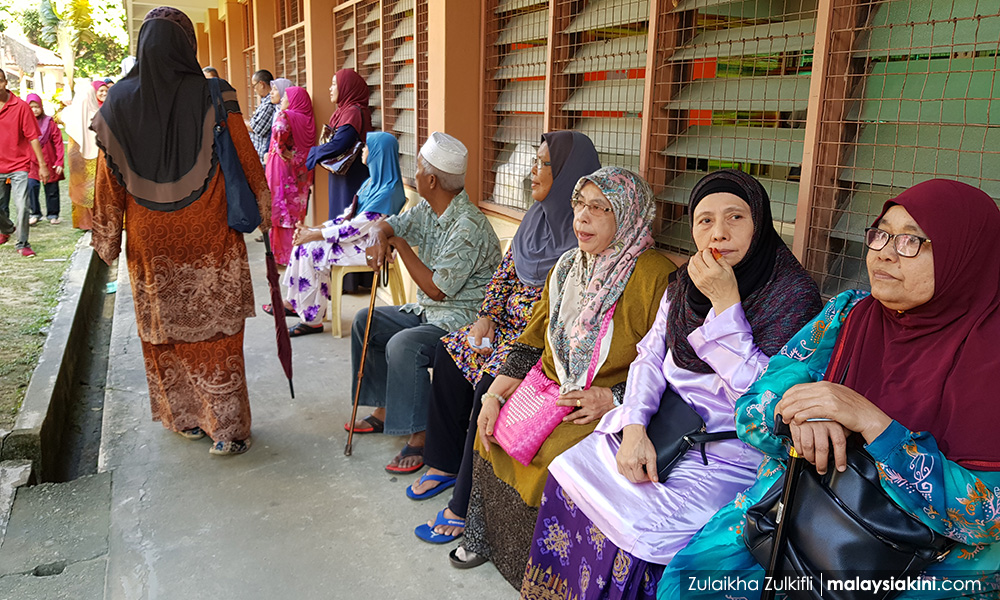

M’sia set to be an ageing society by 2020
Latest numbers from the Statistics Department project that Malaysia will be an ageing society by 2020.
Latest numbers from the Statistics Department project that Malaysia will be an ageing society by 2020.
The figures show that in three years, an estimated 7.2 percent of the total population will be aged 65 and above, surpassing the seven percent mark stipulated by the UN for an ageing society.
This was revealed by Deputy Prime Minister Dr Wan Azizah Wan Ismail today in her speech to launch two publications by the department.
“As we approach 2020, Malaysia is expected to become an ageing society where 7.2 percent of citizens will be aged 65 and above. It was 6.2 percent in 2017.
“Therefore, the government needs to provide sufficient welfare and healthcare services along with specific facilities to cater for this sector of society,” she said at the Multimedia University in Cyberjaya.
Malaysia's population is expected to grow to 32.4 million by 2020. Following this projection, the elderly will make up some 2.3 million people.
According to the department, the number of elderly (65 and above) Malaysians had steadily increased in the past few decades. In 1980, 3.6 percent of the population was elderly and in 2010, the number rose to five percent.
This is while gross birth and fertility rates continued to drop.
Highest GDP in three years
The two publications launched today were the 2017 State Socio-economic Report and the 2017 My Local Stats reports.
Among the findings were that the country’s Gross Domestic Product (GDP) increased from 4.2 percent in 2016 to 5.9 percent last year, the highest since 2014.
The top two contributors to the GDP were Selangor at 23 percent and Kuala Lumpur at 15.6 percent.
All states showed economic improvement in 2017 except for Penang and Labuan. Penang saw drastic negative growth in its construction sector, from 24 percent in 2016 to just 6.6 percent. Labuan, meanwhile, saw a slowdown in its financial services sector.
Last year, income per capita was RM42,228, up RM3,313 from the previous year.
Both reports are firsts for the department and are available for public download here.


Are you sure you want to delete this comment?
This action cannot be undone.