



Should MPs sit in the Dewan Rakyat all day?
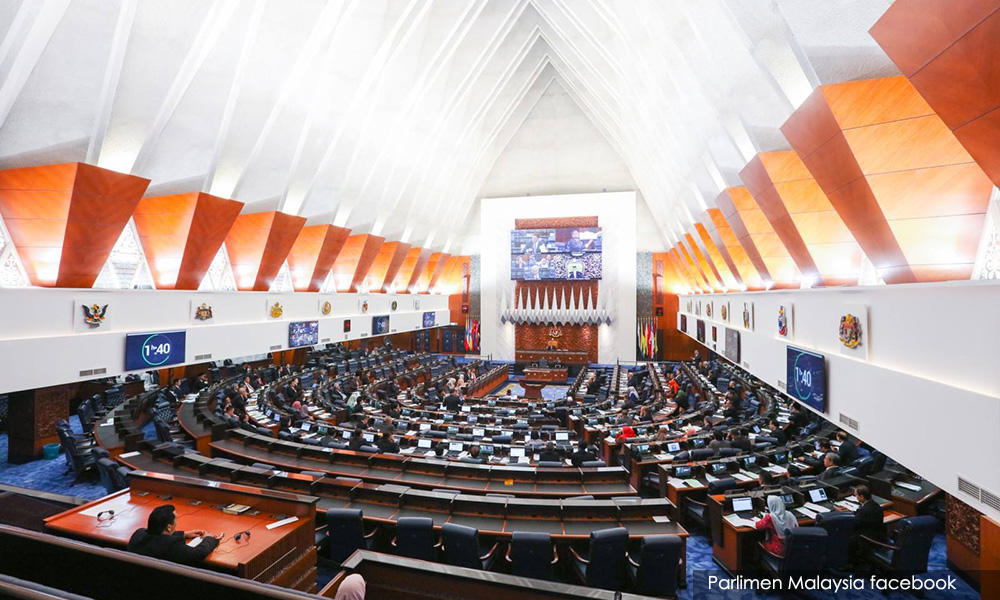
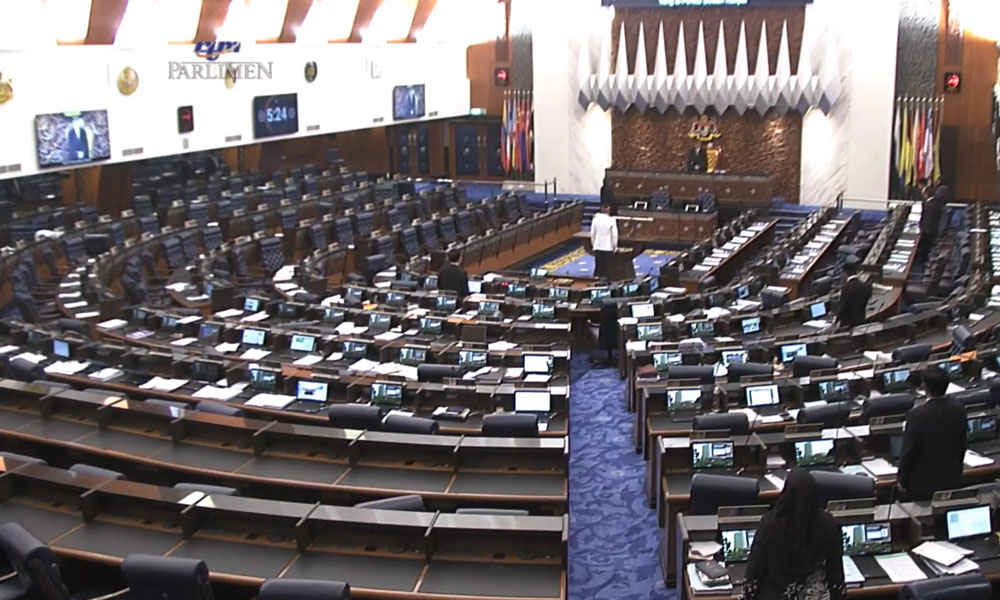
COMMENT | Last Tuesday, the Dewan Rakyat session was delayed for six minutes after lunch because quorum was not met.
This made headlines the following day, with The Star screaming “Where are the MPs?” alongside a photo of an empty chamber.
For the most part, the blame for this embarrassing and extremely rare episode immediately fell on the 71 backbenchers – ruling coalition MPs who are not cabinet ministers, deputy ministers, the speaker, or deputy speakers.
Critics accused MPs of playing truant, followed by opposition BN lawmakers criticising ministers and their deputies from being absent during the night debate sessions. Former minister Rais Yatim suggested that “lazy MPs” should have their salaries docked.
This begs the question: should the front, back and opposition bench have to be filled all the time?
Is attendance by ministers, their deputies and backbenchers compulsory when the Dewan Rakyat is in session...?
COMMENT | Last Tuesday, the Dewan Rakyat session was delayed for six minutes after lunch because quorum was not met.
This made headlines the following day, with The Star screaming “Where are the MPs?” alongside a photo of an empty chamber.
For the most part, the blame for this embarrassing and extremely rare episode immediately fell on the 71 backbenchers – ruling coalition MPs who are not cabinet ministers, deputy ministers, the speaker, or deputy speakers.
Critics accused MPs of playing truant, followed by opposition BN lawmakers criticising ministers and their deputies from being absent during the night debate sessions. Former minister Rais Yatim suggested that “lazy MPs” should have their salaries docked.
This begs the question: should the front, back and opposition bench have to be filled all the time?
Is attendance by ministers, their deputies and backbenchers compulsory when the Dewan Rakyat is in session?
An inefficient system
Currently, there are 169 MPs who are not part of the executive or part of the speaker's office. Their job is to speak on behalf of their constituents on any topic.
However, waiting for their turn to speak can be a long one, and for backbenchers especially, if they are bound by whips and have to toe the party line.
During the previous BN administration, many backbenchers were also pseudo-members of the executive, holding executive positions in key government agencies and further limiting their ability to check on the government.
Then-Johor Bahru MP Shahrir Abdul Samad, for instance, used to helm Felda; Kinabatangan MP Bung Mokhtar Radin headed Felcra; Padang Besar MP Zahidi Zainul Abidin headed Risda; and then-Kuala Selangor MP Irmohizam Ibrahim led the Fisheries Development Authority, to name a few.
These MPs not only have to toe the party line, but also to succumb to the GLC or government agency ‘carrot’ before them as they are ‘mini-executives’. The current crop of backbenchers do not have GLC or government agency positions - at least not yet.
Against this backdrop, it is unsurprising that backbenchers in the previous administration were disinterested in Dewan Rakyat proceedings unless they are scheduled to speak or called upon to vote.
It is common for MPs to spend their idle time on their phones in the chambers, or on computers or catching forty winks. Sometimes they escape to the lounge, often for a hot drink, because the chamber is notoriously cold.
As for cabinet ministers and their deputies, they have a country to run, and idling in the Dewan Rakyat is highly unproductive, especially when most of the debates would have little to do with their portfolios.
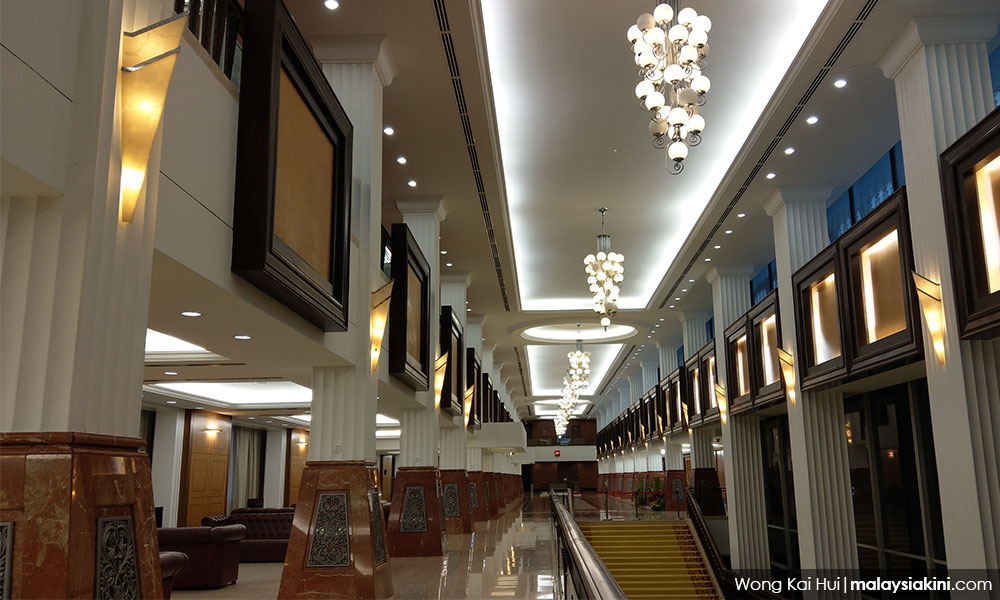
On the same Tuesday, a minister’s aide told this reporter that his boss was compelled to cancel a number of important meetings with his ministry officials to stay in the Dewan Rakyat and ensure that the front bench didn’t look too empty.
More select committees
One possible solution to resolving this inefficiency is for Pakatan Harapan to fulfil item 16 in their election manifesto, which is to institutionalise a select committee system.
These are special committees of the Dewan Rakyat which deal with specific topics. The committees are staffed and comprise backbenchers and opposition MPs. They have the power to summon ministers and government agencies.
The UK House of Commons has 38 such committees, while the Dewan Rakyat only has five – Committee of Selection (which handles nomination to committees, not to be confused with ‘select committee’), Standings Order Committee, House Committee, Committee of Privileges and Public Accounts Committee.
Generally speaking, the only select committee which the public are familiar with is the PAC.
Since these committees only need a few members, it would help MPs to develop specialities and avoid being distracted from general House proceedings.
At present, there is a lack of incentives for MPs to specialise on any issue. Many resort to grandstanding or making colourful remarks to attract media attention, which does nothing to improve governance.
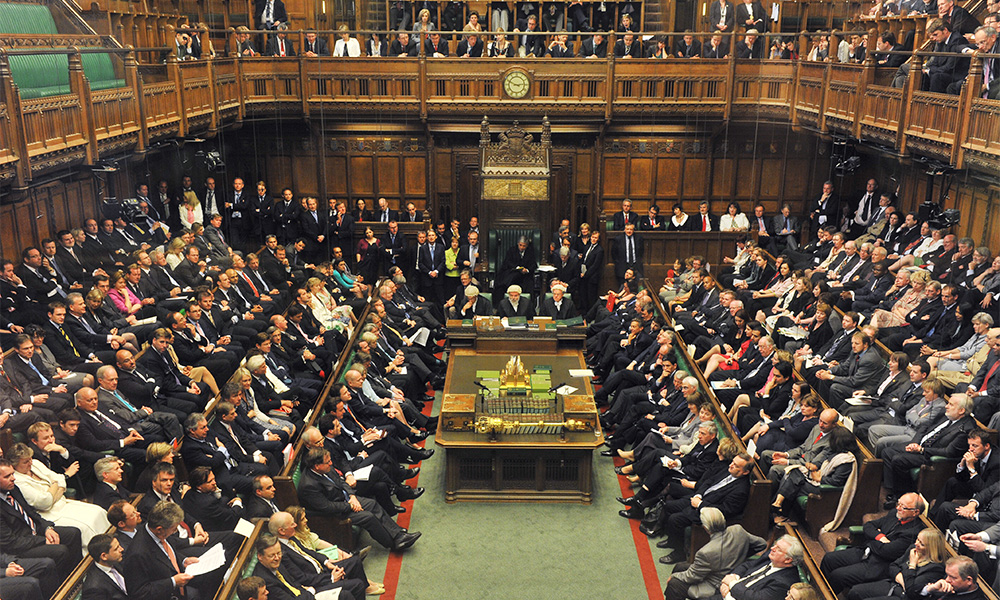
Should the Dewan Rakyat adopt the UK model, it will help keep backbenchers and opposition MPs occupied, and in turn help the executive by providing check and balance.
More importantly, the backbenchers could be freed from executive hegemony and prepare themselves to take over, should their frontbencher comrades resign.
A theme-based approach
Another suggestion was for the debate on the motion of thanks for the royal address to emulate the British model in debating the Queen’s speech.
After the Queen addressed both houses of Parliament in June 2017, the Commons allocated six days for debating the address.
The speaker then broke the debate into five themes: housing and social security, Brexit and foreign affairs, education and local services, health, social care and security and economy and jobs.
According to the Hansard, the respective state secretaries and ministers received the MPs’ questions and responded immediately.
In comparison, Malaysian MPs tend to focus on seemingly random topics – which often entails indulging in scoring political points or crafting soundbites for the press – and expecting the ministers to respond a few days later during the winding-up sessions.
The UK theme-focused debate system would help to prevent such inefficiencies, and provide a more robust debate, because ministers would be able to respond sooner and encourage policy speeches from non-executive MPs instead of political speeches.
As it stands, the expectation of a full Dewan Rakyat attendance during sittings is both unrealistic and inefficient.
Emulating the British select committee system and theme-based debates could do away with these inefficiencies and make the most of the time in the House for both frontbenchers and backbenchers.
LU WEI HOONG is a seasoned Dewan Rakyat correspondent and member of Malaysiakini’s Chinese desk.


Are you sure you want to delete this comment?
This action cannot be undone.