



Sabah DUN approve removal of state governor's tenure limit
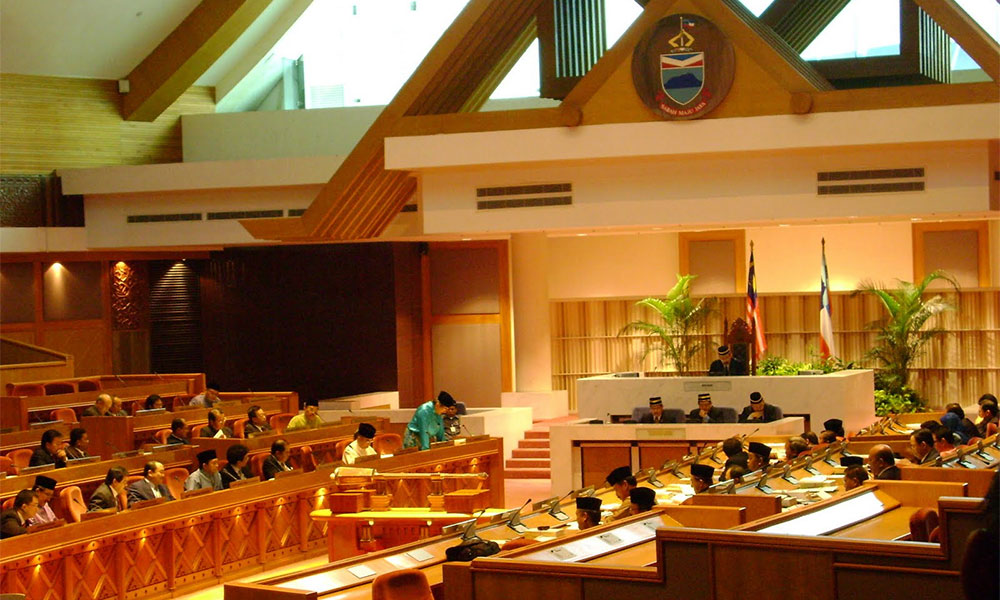
SABAH DUN | The special sitting of the Sabah state legislative assembly has passed a motion brought by the state government to remove the two-term limit of the Yang di-Pertua Negeri.
A total of 45 state assemblypersons out of 64 voted for the amendment of state constitution while 15 representatives voted against it. Five representatives were absent from the sitting.
SABAH DUN | The special sitting of the Sabah state legislative assembly has passed a motion brought by the state government to remove the two-term limit of the Yang di-Pertua Negeri.
A total of 45 state assemblypersons out of 64 voted for the amendment of state constitution while 15 representatives voted against it. Five representatives were absent from the sitting.
According to the motion sighted by Malaysiakini, the Sabah state government had been in a bid to delete Article 2(3) of the state constitution, which refers to the term limit of the state governor.
The clause that was sought to be deleted read: "A person shall not hold office as the Yang di-Pertua Negeri for more than two terms either continuously or otherwise".
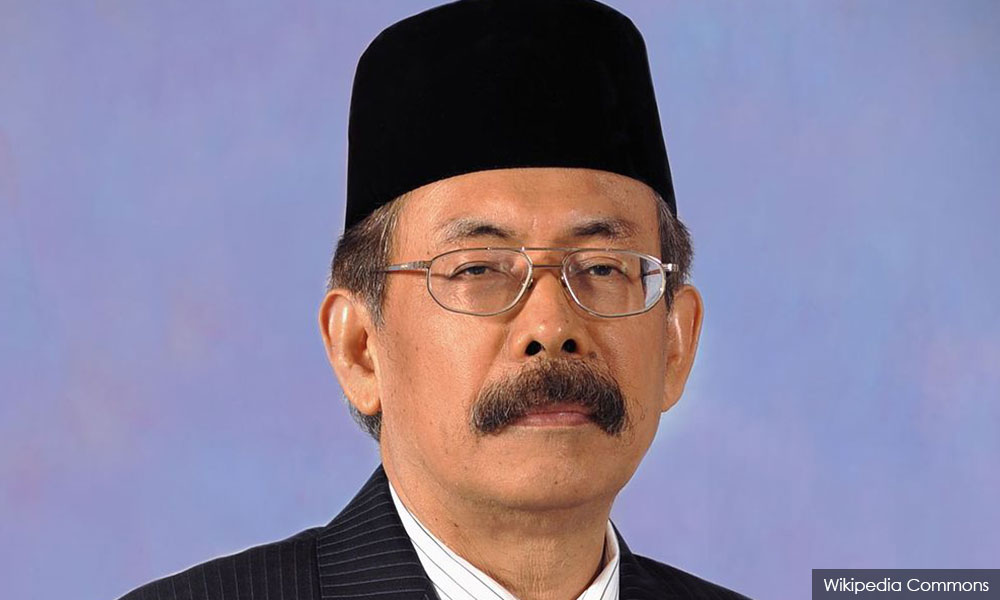
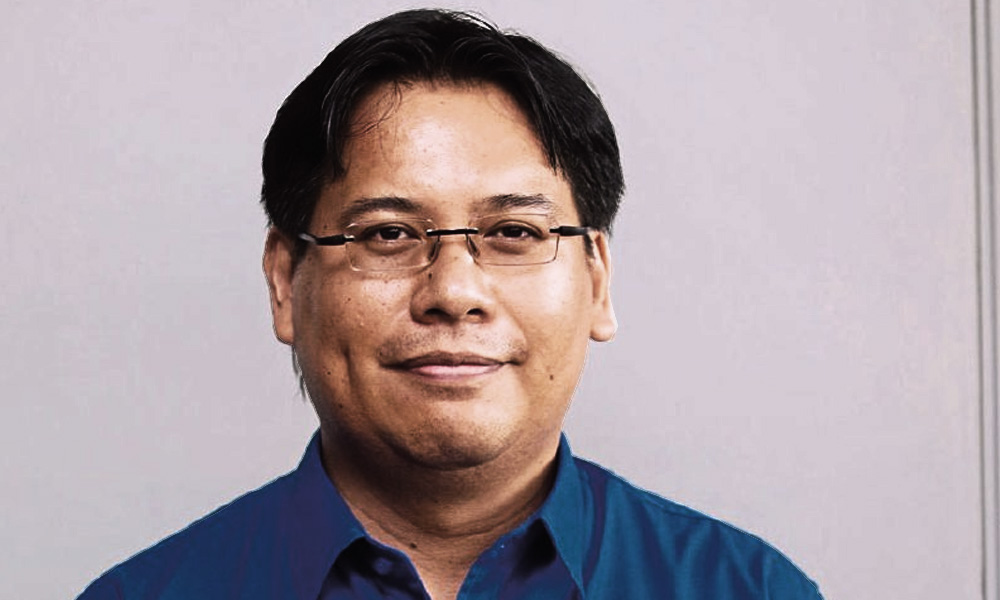
The motion will thus allow the current state governor Juhar Mahiruddin (photo), whose term ends on Jan 2, 2019, to remain in office for a possible third term. He was first appointed to the post on Jan 2, 2011, and sworn in for his second term on Jan 1, 2015.
At present, Warisan and its allies control 45 seats in the 64-seat assembly, more than the two-thirds threshold needed to amend the Constitution.
'Not a reward for post-GE14 swearing in'
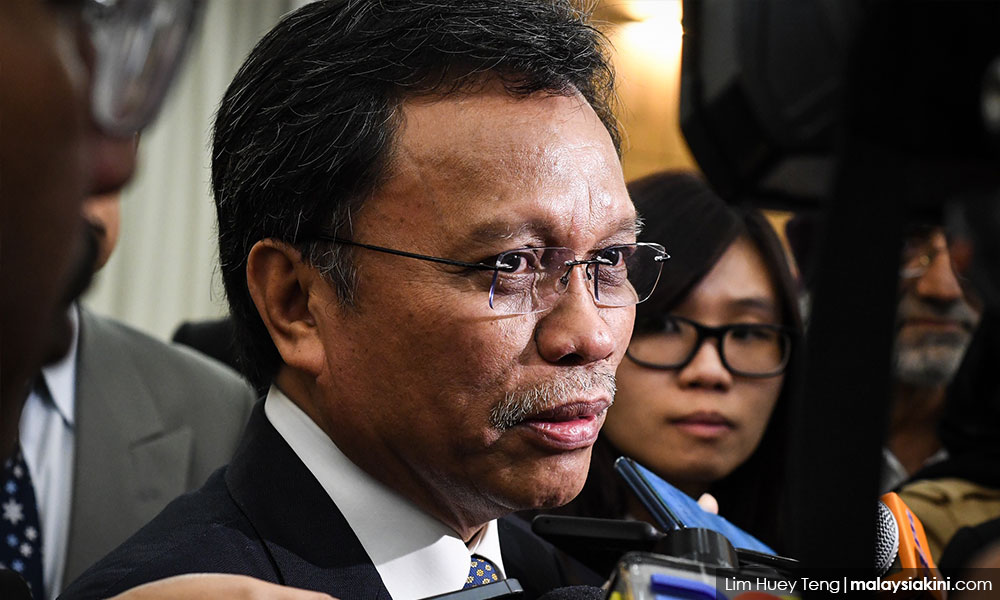
Meanwhile, The Star Online reported that Sabah Chief Minister Mohd Shafie Apdal denied claims that the two-term limit removal was a reward for Juhar for swearing the former in as chief minister barely two days after swearing in BN's Musa Aman.
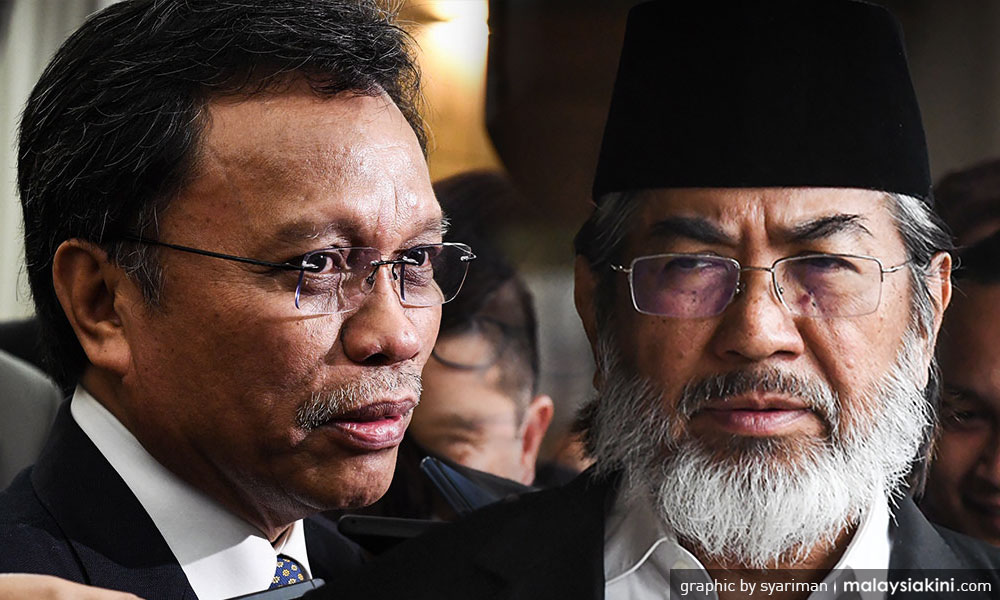
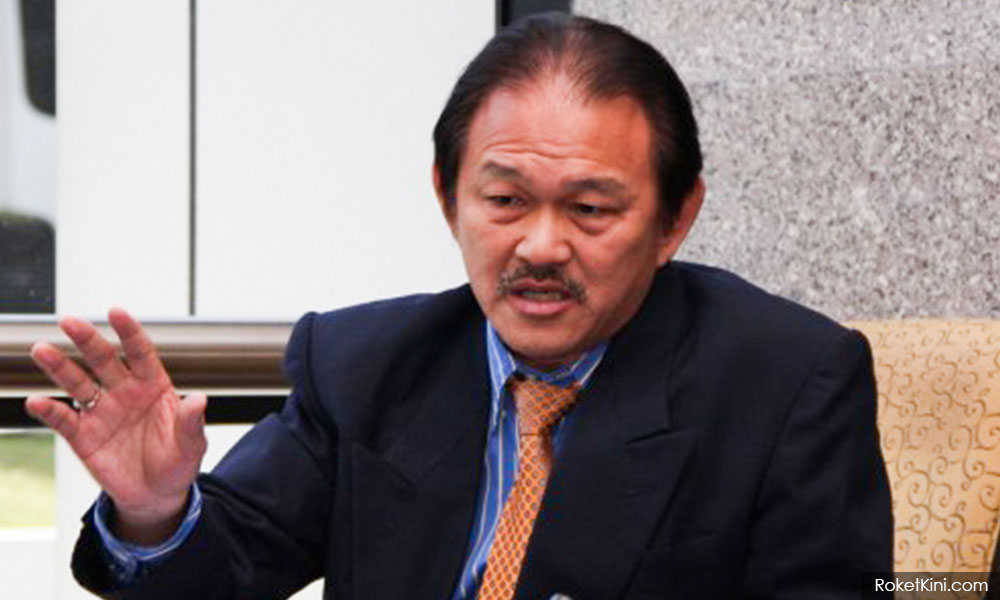
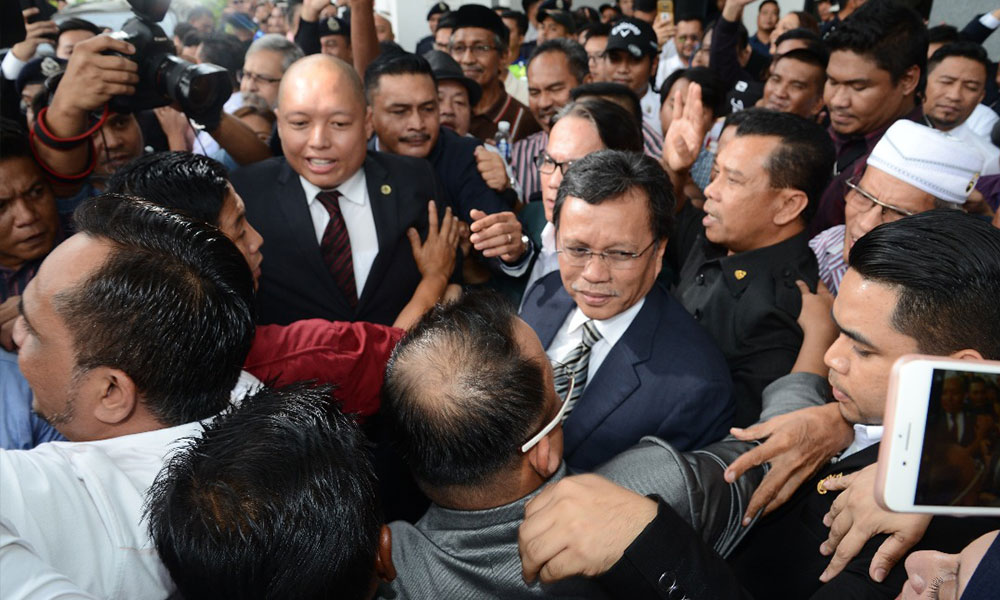
Shafie (photo, left), the Parti Warisan Sabah president, was sworn in on May 12, even though Musa (photo, right), who had already taken his oath as chief minister, denied that he had resigned.
He reportedly said: “There was no negotiation, I swear. He (Juhar) didn’t appoint a chief minister based on any negotiation, it was because he saw a clear majority from the state assemblyperson’s own account.”
The chief minister added that the original version of the 1963 Sabah Constitution did not provide a limit and that one was not necessary as governors are appointed with no executive powers.
“It is different from the post of prime minister or chief minister, which is elected by the public. They (governors) have no executive powers and are a symbolic head of state,” he was quoted saying.
Among the dissenting views, however, had been Kiulu assemblyperson Joniston Bangkuai who felt retaining the term limit would accord all races opportunity to hold the post.
However, The Star quoted Kemabong assemblyperson Jamawi Jaafar as stating that the limit would help minimise state spending on governors' pensions and benefits, some of which they are entitled to for life.
Besides this, the assembly also convened today to seek to strengthen the state government's regulatory control over the mining activities in Sabah.
This is being done via the amendment of Sabah's Mining Ordinance 1960 by making clearer the state government's regulatory role over oil and gas and mining activities in Sabah.


Report this comment
Are you sure you want to delete this comment?
This action cannot be undone.