




Putrajaya's push to abolish death penalty too hasty, says ex-IGP
Former inspector-general of police Abdul Rahim Noor has criticised Putrajaya's decision to abolish the death penalty as too hasty.
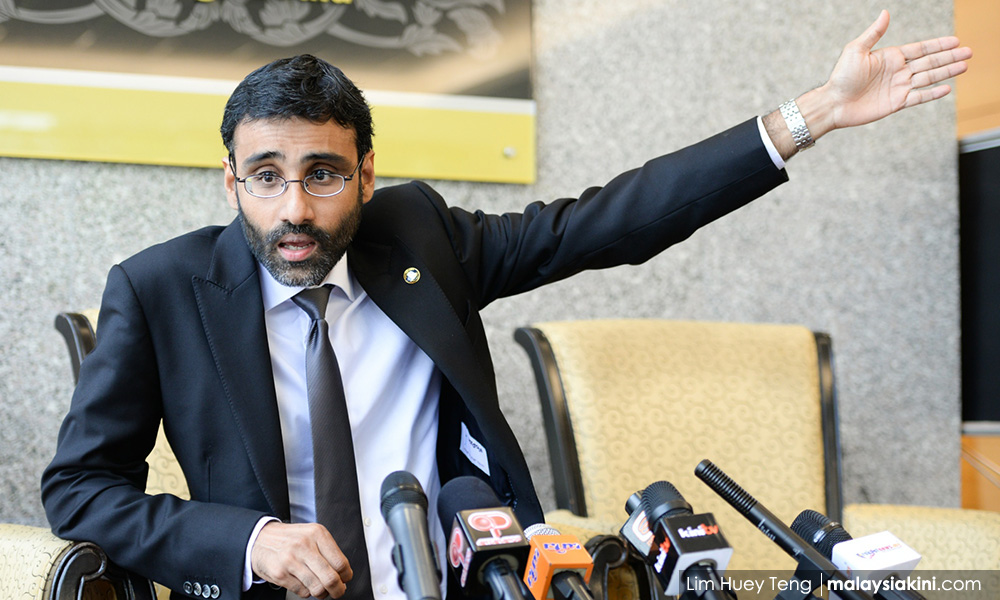
In a press conference in Kuala Lumpur today, Rahim said that the government should have conducted a thorough study and sought public opinion before deciding its abolition.
"Between 60 and 80 percent of the people out there say that the death penalty should remain," he said...
Former inspector-general of police Abdul Rahim Noor has criticised Putrajaya's decision to abolish the death penalty as too hasty.
In a press conference in Kuala Lumpur today, Rahim said that the government should have conducted a thorough study and sought public opinion before deciding its abolition.
"Between 60 and 80 percent of the people out there say that the death penalty should remain," he said.
In December last year, Minister in the Prime Minister's Department Liew Vui Keong announced that the bill to abolish the mandatory death penalty was expected to be tabled at the next Dewan Rakyat sitting.
According to the Parliament website, the next sitting is scheduled from March 11 to April 11.
Read more: Death penalty: Six things you need to know
At the press conference, Rahim expressed his hope that Putrajaya would consider the wishes of the people and keep capital punishment on the statute books.

"It's not going to be easy. Perhaps, the cabinet will hopefully renew its earlier decision and retain the death penalty."
'Victim's families can only cry'
Rahim said that although several groups had shown support for the abolition of the death penalty, there seemed to be little concern paid to the families of murder victims.
"There seems to be an imbalance. Groups like the Human Rights Commission (Suhakam), Lawyers For Liberty, and the Bar Council support the abolition of the death penalty.
"What happened to the support for the families of murder victims? Is there any concern towards them, just like other parties show concern towards abolishing the penalty?
"If there is no death penalty, then these families can only cry."
Rahim stressed that developed countries such as Japan, Russia, and China have retained the death penalty because they see the punishment as crucial to deterring crime.
"Countries which have abolished the death penalty, meanwhile, see their crime rates going up," he claimed.





Report this comment
Are you sure you want to delete this comment?
This action cannot be undone.