



Three stateless boys granted citizenship, appeals withdrawn
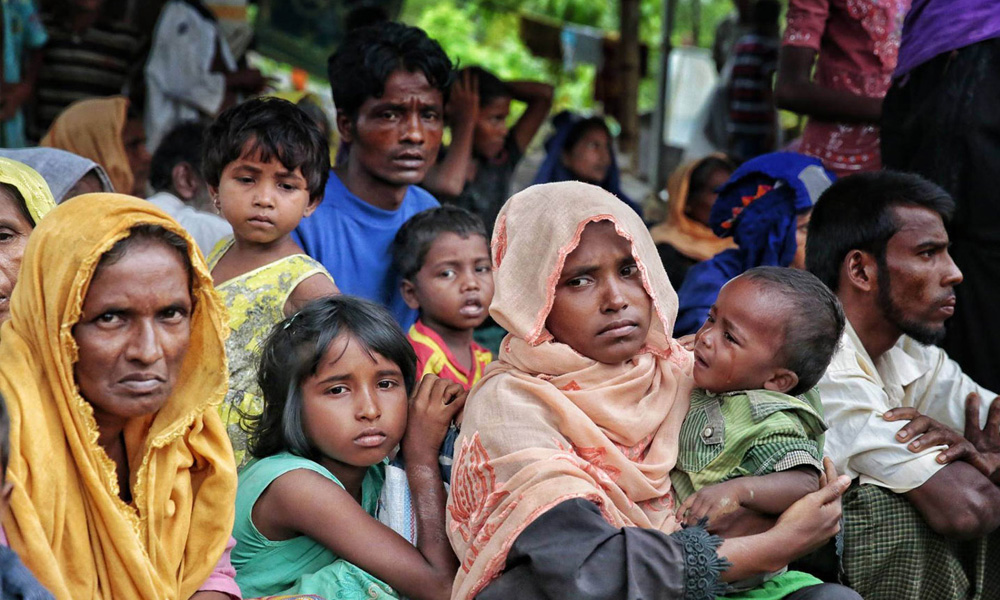
After a five-year legal battle, three stateless children have been granted their citizenship by Home Minister Muhyiddin Yassin.
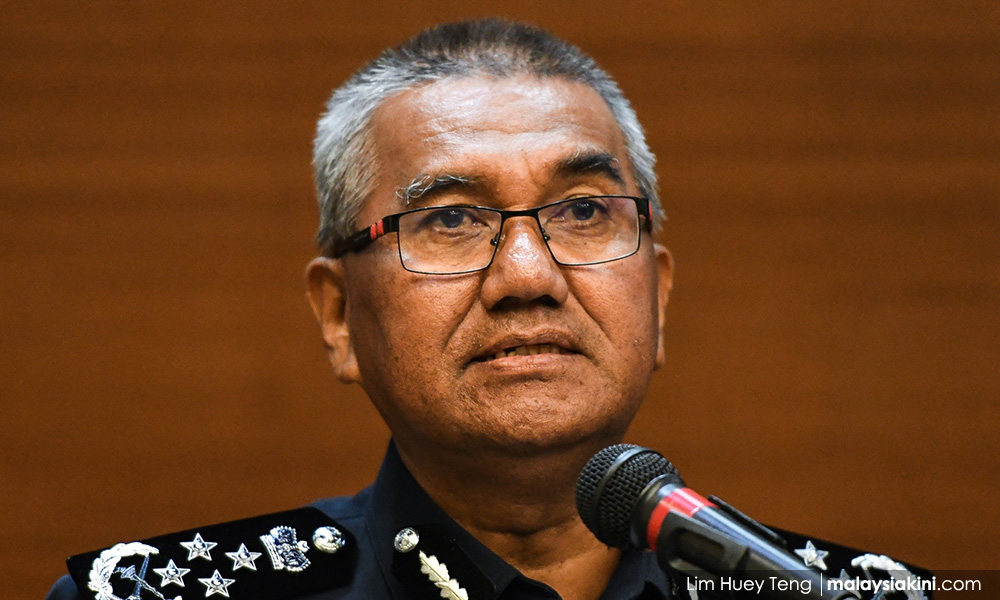
The boys, aged 17, 16 and eight respectively, were given the citizenship by virtue of the minister using his discretion under Article 15A of the Federal Constitution...
After a five-year legal battle, three stateless children have been granted their citizenship by Home Minister Muhyiddin Yassin.
The boys, aged 17, 16 and eight respectively, were given the citizenship by virtue of the minister using his discretion under Article 15A of the Federal Constitution.
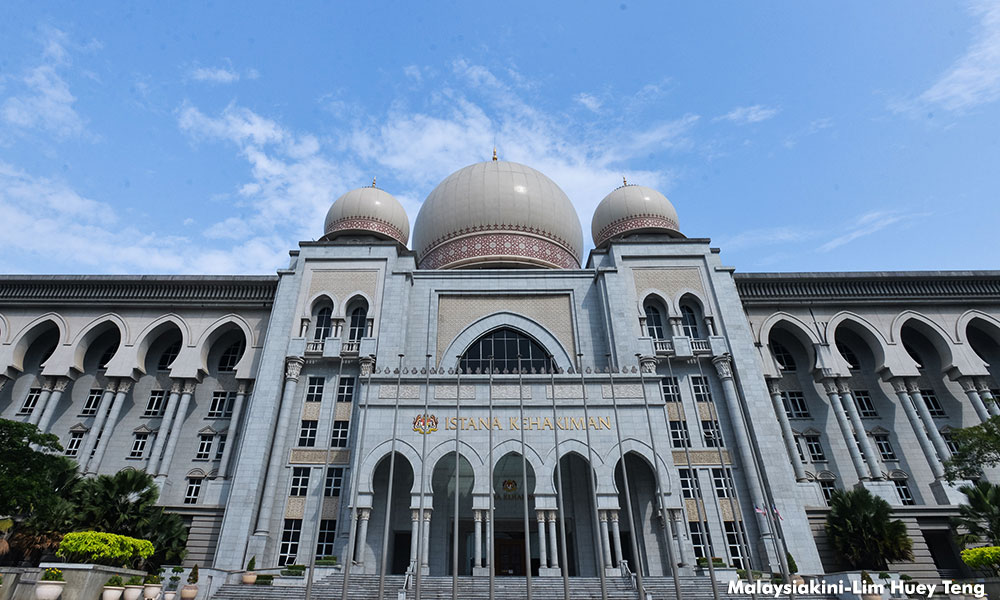
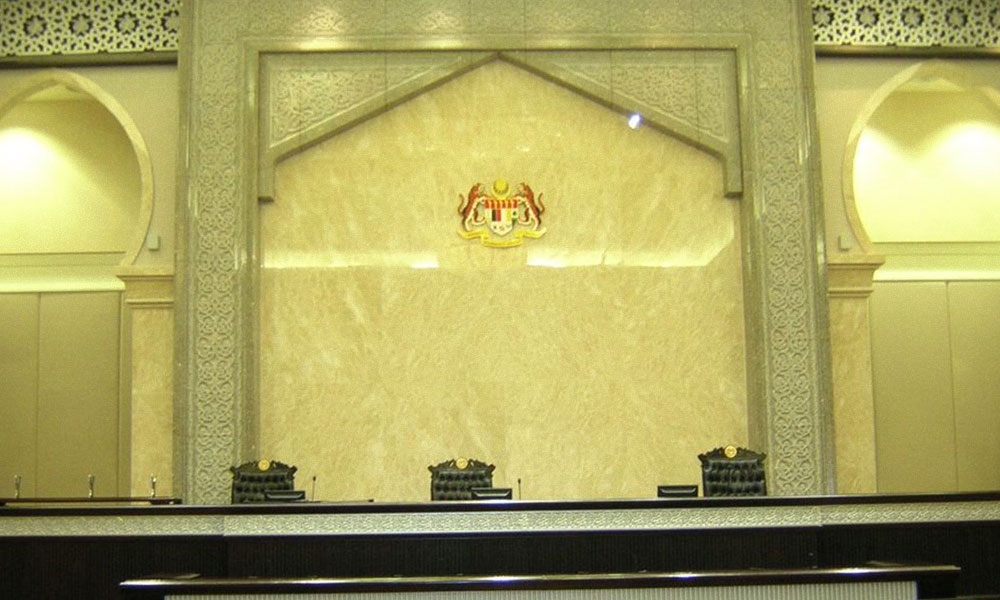
This was disclosed to a nine-member Federal Court bench led by Justice Ahmad Ma'arop when the three cases were fixed for hearing today.
Lead counsel Cyrus Das, who is representing the two teenagers along with lawyer Raymond Mah, said at 6pm yesterday they were informed that the boys had been granted citizenship by the minister.
This came after the court refused to allow an adjournment to hear the matter following an application by the Home Ministry yesterday morning, to which the lawyers objected.
"Following the granting of their citizenship, we have asked that their birth certificates, where it is stated bukan warganegara (non-citizen), be changed to citizen," Das said.
Home Ministry legal adviser Mohammad Al Saifi Hashim confirmed this and assured the bench that the birth certificates will be amended in due course.
With this affirmation, Das and former Federal Court judge Gopal Sri Ram, who is appearing for the eight-year-old with lawyer Latheefa Koya, agreed to withdraw their appeals.
Justice Ahmad, who is also the Court of Appeal president, then recorded the withdrawal of the cases and made no order as to costs.
The other judges in the enlarged bench were Chief Judge of Malaya Zaharah Ibrahim and Justices Azhar Mohamed, Alizatul Khair Othman, Rohana Yusof, Mohd Zawawi Mohd Salleh, Tengku Maimun Tuan Mat, Idrus Harun and P Nalini.
The bench was supposed to decide on the question that under Article 14(1)(e) of the Second Schedule of the Federal Constitution, a child born in Malaysia and not a citizen of any country can be a citizen.
The three cases today were part of the original five cases of stateless children brought before the apex court.
However, it was reported in on Oct 25, 2018 that two of the five children were granted their citizenship, also by virtue of Article 15A of the constitution.
Article 15A states that subject to Article 18, the federal government may in such special circumstances as it sees fit, cause any person under the age of 21 to be registered as a citizen.
The names of the three children and the parents have been withheld following a court order.
Initially, two questions of law were posed to the apex court for determination in these five cases, namely:
- Whether a child who was born in Malaysia and did not acquire citizenship of any other country, within one year from his birth date, is a citizen of Malaysia by the operation of law pursuant to Article 14(1)(b) and Section 1(a) and 1(e) and Section 2(3) of Part II of the Second Schedule.
- Whether the words "not born a citizen of any country" in Part II Section 1(e) of the Second Schedule of the Federal Constitution requires a child to prove the identity of his or her biological parents and that they are not foreign citizens or whether, pursuant to Part II Section 2(3) of the Second Schedule, it is sufficient for the child to prove that he/she does not require citizenship.
Missed opportunity
After the proceedings, Mah and Latheefa told reporters that this was a missed opportunity for the Federal Court to rule, once and for all, on Article 14(1)(e) of the constitution.
They said may lawyers were holding watching brief today, representing clients who are on the same predicament.
There are thousands of children who are stateless in this country, they added.
Mah revealed that he is handling almost two dozen cases, some of which are judicial review matters where leave has been granted.
"All of us are hoping for a ruling or decision on this matter so that a solution can be found for all these children. Now we have to wait and go through the procedure in courts," he added.
Latheefa, who is a PKR member, said Pakatan Harapan had promised in their manifesto to resolve the stateless issues in the Indian community.
However, she pointed out that this problem affects other ethnicities, not just the ethnic Indians.
"We pride ourselves internationally in claiming we do not have this problem due to Article 14(1)e, but we are not utilising it to help those with such problems, also in cases involving adopted children.
"This is not good when it comes to children's welfare," Latheefa said, adding that she is handling about 50 cases which are yet to be filed.
She said now those children and their parents can only hope the minister will exercise his power under Article 15A and grant citizenship.
Both Latheefa and Mah agreed that part of the problem lies with the National Registration Department in not giving the right forms to the parents in such cases.
Latheefa said she hopes the present government would do more to help resolve this problem on stateless children as stipulated in their manifesto.


Report this comment
Are you sure you want to delete this comment?
This action cannot be undone.