



Harapan will not be a one-term gov't, vows minister
INTERVIEW | With criticism raining on the 11-month-old Pakatan Harapan government for purportedly failing to fulfil its manifesto promises and policy flip-flops, compounded by a string of by-election defeats, there is growing concern that it will not be in power beyond a single term.
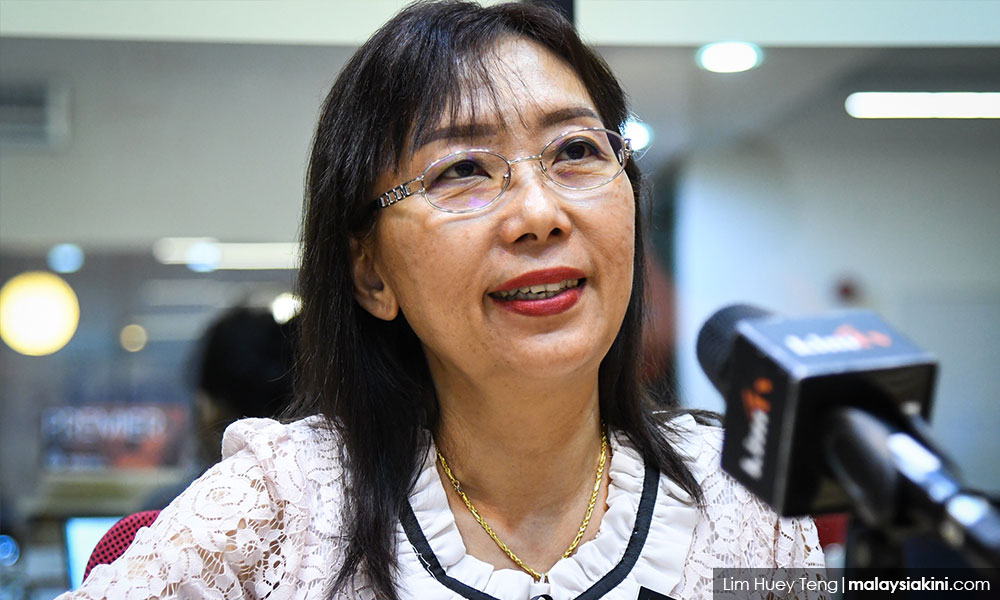
In an interview with Malaysiakini and KiniTV, Primary Industries Minister Teresa Kok acknowledged the growing dissatisfaction with Harapan, but believes the ruling coalition can turn the tide after the people see a discernable difference in governance...
INTERVIEW | With criticism raining on the 11-month-old Pakatan Harapan government for purportedly failing to fulfil its manifesto promises and policy flip-flops, compounded by a string of by-election defeats, there is growing concern that it will not be in power beyond a single term.
In an interview with Malaysiakini and KiniTV, Primary Industries Minister Teresa Kok acknowledged the growing dissatisfaction with Harapan, but believes the ruling coalition can turn the tide after the people see a discernable difference in governance.
Kok pointed out that some of Harapan's supporters are unhappy because they expected changes to happen overnight.
"They failed to see that we are inheriting a company (government) with a huge debt and one full of problems, including structural problems," she said.
"When people blame (us) for the bad economy, we shouldn't forget that the world's economy is worsening due to US-China trade war, with surrounding countries also suffering," she explained.
The DAP deputy secretary-general also said some are unhappy due to efforts made to ensure taxes are paid and study loans repaid.
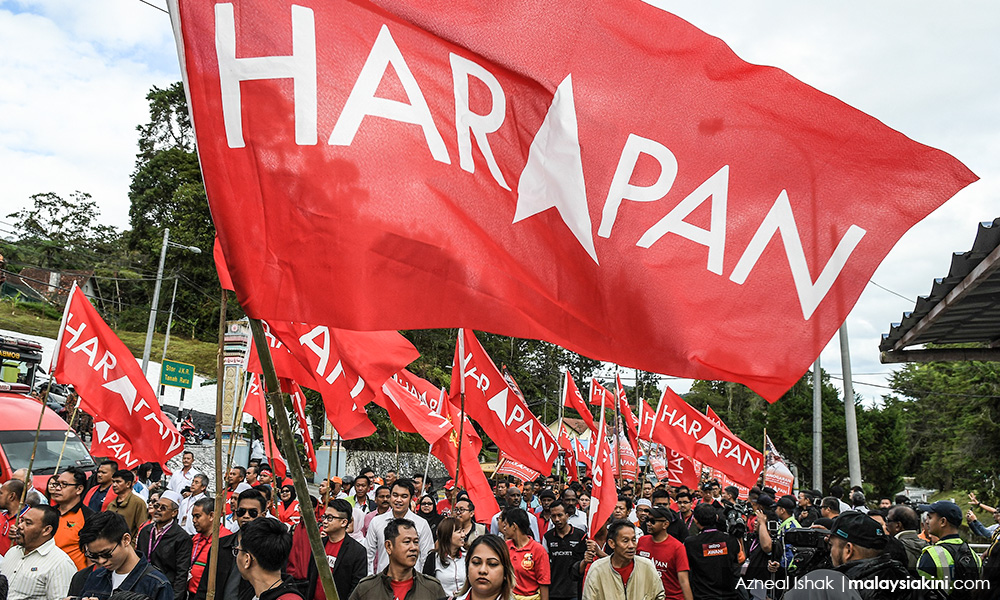
"I, however, do not believe that we are going to be one-term government," she stressed, citing the now-defunct Pakatan Rakyat taking over the governments of Penang and Selangor in 2008, and holding onto power in subsequent elections.
Back then, Kok said, these state governments encountered a similar sentiment, prompting some to opine that the coalition would not last.
"In Selangor, we faced lots of problems, and demonstrations were held on a monthly basis. And yet, we could survive for three terms," said Kok, who served on the state cabinet.
'Listen to the people'
In order to stay beyond a single term, Kok said, Harapan needs to listen to public feedback while expediting its reform agenda.
"We understand that times now are bad for both business folk and ordinary people, and we are trying our best to improve that.
"We are not a perfect government, we have our own weaknesses. Some of the leaders might have acted unwisely in the past, we were no saints," the Seputeh MP admitted.
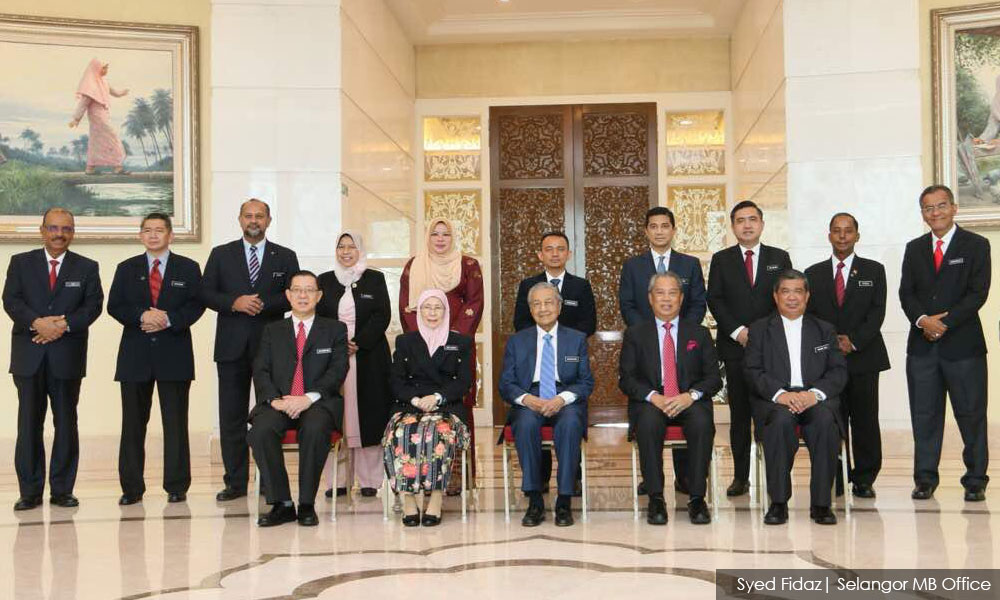
"But I am confident that when we bring improvements to the economy, bring changes to the institutions, and show we are serious in combating corruption, Malaysians, including the Malay community, will support us.
"I feel that people will see in five years that we are a more ideal government compared with BN," she said.
Besides ensuring that DAP can hold onto its largely urban and semi-urban constituencies, Kok added, her party also has to make sure its allies can defend their respective seats.
Harapan, which won 121 parliamentary seats and captured eight states in the 14th general election together with Warisan, is said to be suffering from a trust deficit ahead of its one-year anniversary in federal power on May 9.
The ruling coalition now has 139 MPs after accepting defecting lawmakers from opposition parties, including Umno.
A survey conducted by the Ilham Centre and Penang Institute three months ago showed that 60 percent of the Malay respondents were not happy with Harapan's performance.
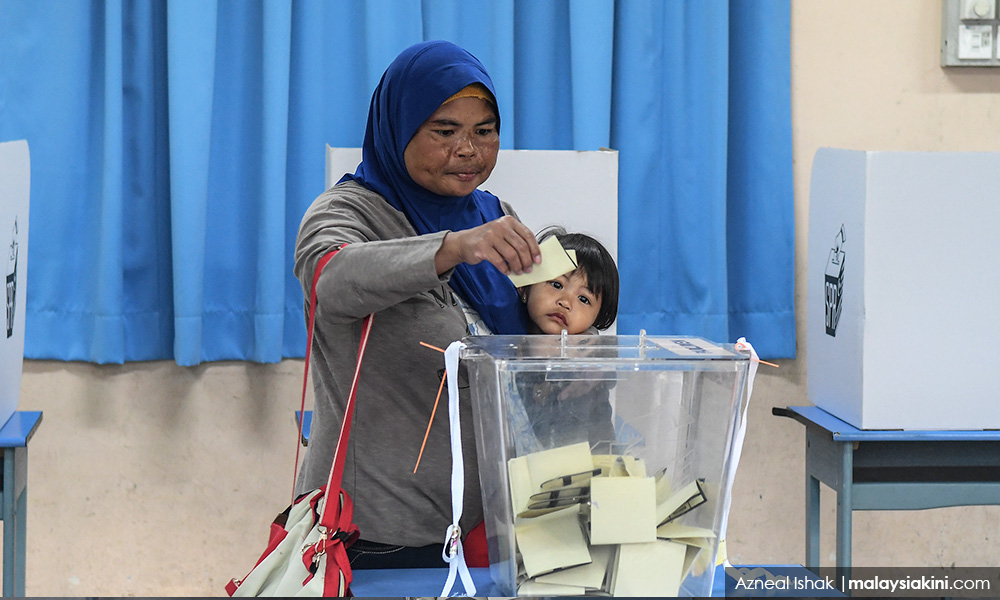
Subsequently, the coalition lost three consecutive by-elections held for the Cameron Highlands and Semenyih parliamentary seats, and the Rantau state seat.
Externally, the ruling coalition faces a growing threat from the Umno-PAS pact, which forced the government to abandon its plans to ratify two international treaties – the International Convention on the Elimination of All Forms of Racial Discrimination (Icerd) and the Rome Statute of the International Criminal Court.
Kok revealed that the cabinet was united in its decision not to proceed with the ratification of both treaties.
"Let's face reality. Sixty percent of the voters in Malaysia are bumiputera. At this stage, we are busy with reforming the country, wiping out the corruption, but the opposition is ganging up to attack us.
“So we need to be wise in our approach," she said. "Sometimes, it is better to take a step back for the sake of the bigger picture and when the people are not ready, rather than go ahead."
"Yes, you can blame us for U-turning (on the treaties). But I hope our supporters can understand that we are facing a complex situation where race, religion and the royalty have been dragged into the political discourse by the opposition."
Last September, Prime Minister Dr Mahathir Mohamad told the UN General Assembly that Malaysia would ratify six core international treaties, including Icerd.
The spotlight fell on Icerd after Rembau MP Khairy Jamaluddin questioned whether it would affect Article 153 of the Federal Constitution, which involves Malay special rights.
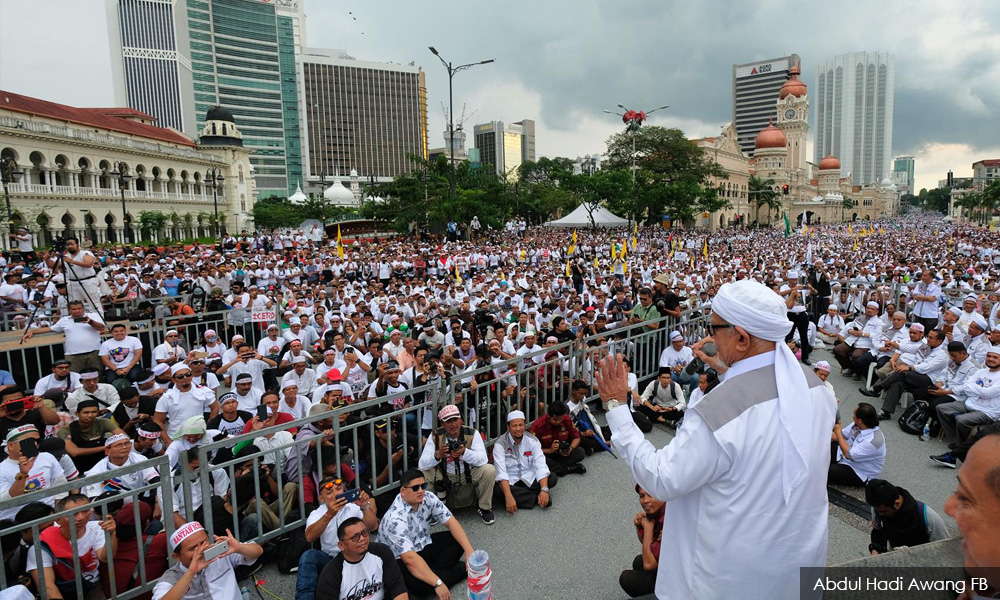
Umno and PAS then repeatedly voiced objections which culminated in a massive rally, prompting the government to backtrack on signing the treaty.
Following this, on April 5, Mahathir announced that Malaysia would also be withdrawing from the Rome Statute, a month after ratifying it.
The prime minister blamed the decision on those who had sown confusion over the issue and attempted to pit the royals against his administration.


Are you sure you want to delete this comment?
This action cannot be undone.