


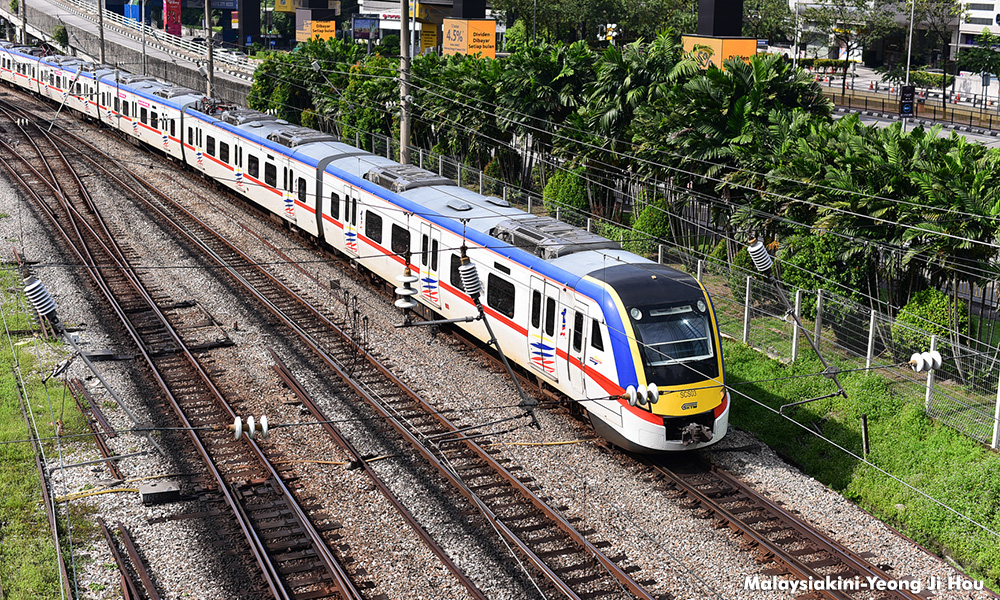

Bipartisan concerns over restored KVDT contract, gov't promises safeguards
PARLIAMENT | The government today announced that it was restoring the Klang Valley Double Tracking (KVDT) Phase 2 project to its original contractor Dhaya Maju Infrastructure Asia Sdn Bhd (DMIA) and Lembaga Tabung Angkatan Tentera (LTAT), which were initially terminated, amid concerns expressed by MPs from both the government and opposition bench.
However, the restored contract with a new value of RM4.475 billion represents a 15 percent cost reduction following renegotiations, saving the government more than RM700 million, Transport Minister Anthony Loke told the Dewan Rakyat during Question Time this morning...
PARLIAMENT | The government today announced that it was restoring the Klang Valley Double Tracking (KVDT) Phase 2 project to its original contractor Dhaya Maju Infrastructure Asia Sdn Bhd (DMIA) and Lembaga Tabung Angkatan Tentera (LTAT), which were initially terminated, amid concerns expressed by MPs from both the government and opposition bench.
However, the restored contract with a new value of RM4.475 billion represents a 15 percent cost reduction following renegotiations, saving the government more than RM700 million, Transport Minister Anthony Loke told the Dewan Rakyat during Question Time this morning.
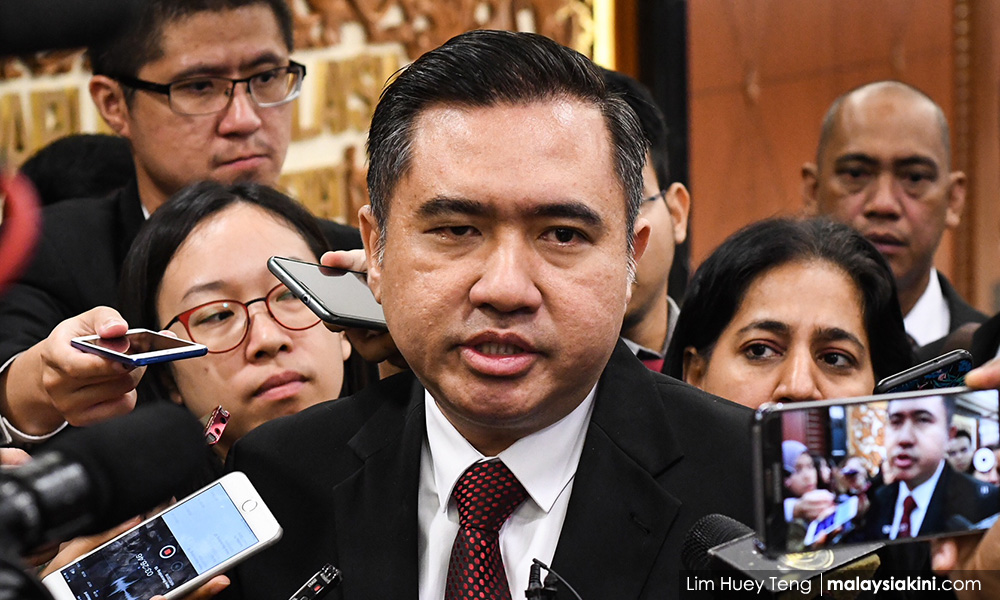
Loke was responding to a question by Fahmi Fadzil (PKR-Lembah Pantai), who asked for an update on the project and subsequently questioned the government's justification for restoring the contract for Phase 2, pointing out that the DMIA-LTAT has been plagued by delays in Phase 1.
Phase 1 of the project was intended to be completed in August, but is now delayed.
"Why was it granted to DMIA-LTAT when it is already late in delivering Phase 1 and last week, I understand that there were four derailments for the KVDT Phase 1.
"Is that not an unsatisfactory performance to give them such a huge project (for Phase 2)?" Fahmi asked.
Acknowledging the concern, Loke said the cabinet had to consider various aspects, including the legal implication.
"After we issued the termination letter to DMIA-LTAT, they made an appeal and renegotiated with the government.
"We considered the fact that if we terminate the contract there would be legal implication as the companies can take legal action as the contract was already awarded by the previous government just two days before Parliament was dissolved," he said.
As such, Loke (photo, below) said the government took a similar position as it did with the East Coast Rail Link (ECRL), MRT2 and LRT3 projects, where they were restored after renegotiations to reduce cost.
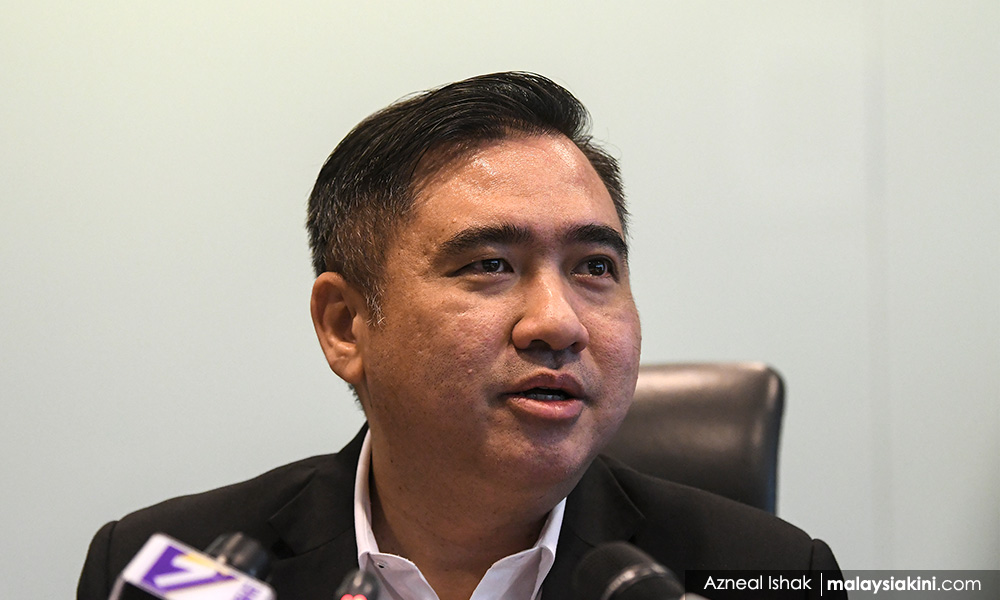
"We also understand that there were weaknesses and delays (in Phase 1) and we will impose stricter conditions as well as oversight on the progress and operations to ensure that it (Phase 2) can be completed on time," he said.
In a follow-up question, Ahmad Fadhli Shaari (PAS-Pasir Mas) said he had learnt about a letter from Keretapi Tanah Melayu Berhad (KTMB) to the government to express concern about the appointed contractor.
"Did the Transport Ministry not take KTMB's views into consideration in deciding to proceed with the contract with the contractors that are said to be problematic?" Ahmad asked.
A surprised Loke then replied: "YB is great (hebat), even letters to the Finance Ministry and Transport Ministry, YB is aware of. But it's okay, we take a transparent position."
Loke said KTMB had indeed expressed its views on the matter, which the Transport Ministry conveyed to the cabinet.
"But the cabinet had various considerations and not only on technical comments, it considered the overall implications and we deliberated and debated on this.
"There were views that it should not proceed and an open tender is called and many others were debated in the cabinet, the details of which I cannot reveal here," he said.
Potential losses to LTAT also considered
However, Loke said the final and collective decision was to proceed with the project under DMIA-LTAT at a reduced cost.
He added that potential losses to LTAT, which is a statutory body, were also considered.
"We take the position that we want to reduce cost and that local and bumiputera contractors are also safeguarded," Loke said.
He also reiterated that there would be better safeguards to ensure the delivery of Phase 2.
"There can be many reasons for delays, sometimes there needs to be better coordination between KTMB and the contractors so that it can proceed smoothly.
"I don't want to point fingers but for the Transport Ministry, it is important for a major project such as this to be implemented in a good, efficient and open manner and most importantly, it is completed for the benefit of the people," Loke said.
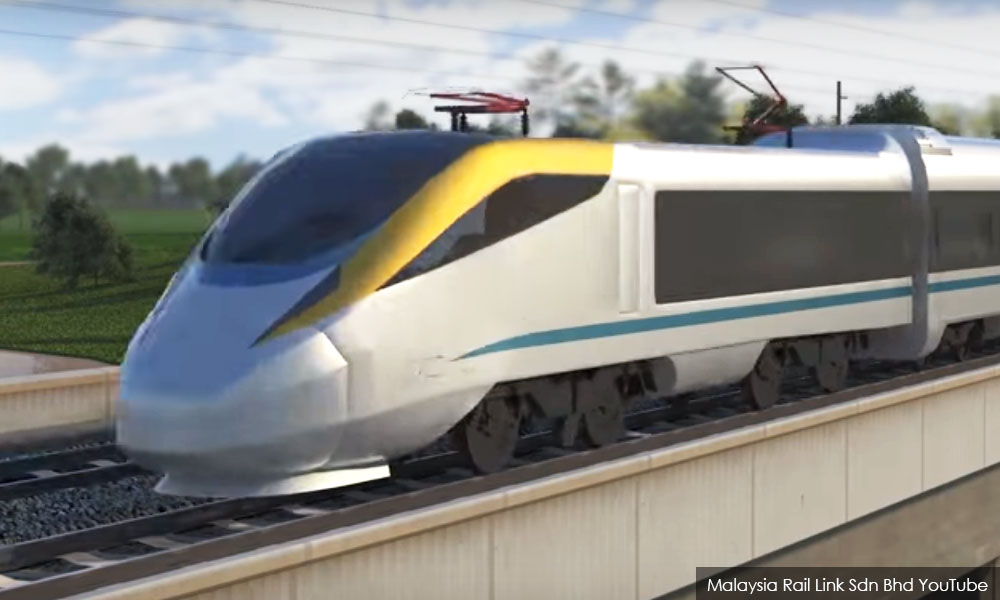
The second phase of KVDT involves a double-tracking the rail line covering a distance of 110 kilometres from Kuala Lumpur to Klang, Salak Selatan to Seremban and Simpang Port Klang to Port Klang, which was initially priced at RM5.2 billion but has now been renegotiated down to RM4.475 billion.


Are you sure you want to delete this comment?
This action cannot be undone.