



Newly-wed Orang Asli couples targeted for forced birth control jabs - activist
Health Ministry officials, who come to Orang Asli villages in mobile clinics, promise improved health and stamina but the side effects of their birth control injections can be devastating, according to an activist.
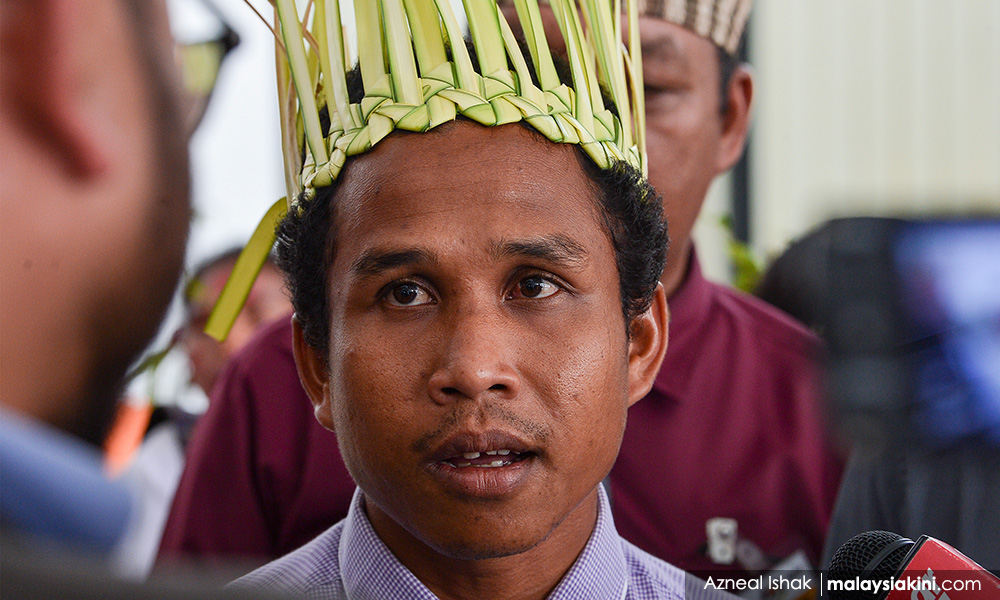
"The women in my village were threatened by nurses and told that they must take birth control, either in the form of pills or injections, failing which their medical cards would be confiscated," Nora Kantin, a Temiar villager, told Malaysiakini.
"Newlyweds among the community are especially targetted and forced to take the injections after having just one child...
Health Ministry officials, who come to Orang Asli villages in mobile clinics, promise improved health and stamina, but the side effects of their birth control injections can be devastating, according to an activist.
"The women in my village were threatened by nurses and told that they must take birth control, either in the form of pills or injections, failing which their medical cards would be confiscated," Nora Kantin, a Temiar villager, told Malaysiakini.
"Newlyweds among the community are especially targetted and forced to take the injections after having just one child.
"The injections harm our health. Many women become bloated, going from skinny to overweight quickly. We all felt weak after the injections," claimed the activist, who is from Kampung Lambok, RPS Kuala Betis, Gua Musang, Kelantan.
The birth control shots contain the progestin hormone that prevents unplanned pregnancies for three months at a time. They prevent ovulation and increase the mucus buildup around the opening of the cervix.
Advocates say it helps women with irregular or heavy periods, among other benefits.
However, the US Food and Drug Administration lists possible side effects as menstrual irregularities, abdominal pain, weight gain, dizziness, headaches, nervousness and decreased libido.
Nora, 31, was herself allegedly pressured to take the injection after the birth of her fourth child in 2014.
Now that she has become an activist as a female leader of the Jaringan Orang Asli Semenanjung (JOAS), she is saddened to hear that such a practice is widespread.
Yesterday, representatives from five Orang Asli villages submitted a memorandum to the government at Parliament complaining about the distribution of birth control pills to the community without sufficient details.
Anjang Aluej from Kampung Sungai Papan, Perak, urged the Health Ministry to stop providing such pills without clearly explaining to the community what they were for.
The Orang Asli Affairs Department (Jakoa) is set to probe these and other claims that villagers have been given birth control pills and jabs without prior informed consent.
A Jakoa spokesperson told Malaysiakini that they would investigate the matter and issue a press statement on it.
Meanwhile, a spokesperson for Health Minister Dzulkefly Ahmad said: "The minister will respond tomorrow in Sungkai, Perak. We have a programme with Orang Asli there."
Threatened with deadly drugs
Meanwhile, Centre for Orang Asli Concerns (COAC) executive director Dr Colin Nicholas cited past reports that Temiar women in Tasik Temenggor, Perak have provided testimonies that "they were threatened with deadly drugs if they rejected the injections.”
"This is on tape," he told Malaysiakini.
In June 2017, a joint report by the Jaringan Orang Asli and COAC highlighted the accounts of female Temiar villagers from Kampung Kedled in Sungai Siput Utara, Perak.

These villagers told of coerced conversions and being forcibly injected with contraceptive drugs by nurses who came to the village as part of the Ministry of Health’s Mobile Clinic programme.
"The women were made to take birth-control measures without their free, prior and informed consent. Nurses advised them to take the treatment saying, 'You should take this treatment, and take a break from taking care of children'.
"Some also said they were scolded by the nurses when they tried to reject the injections. Many also feared that if they do not follow their instructions, they will be forcibly injected with deadly medications," read the report.
Nicholas, who has spent more than three decades working with Orang Asli communities, said that this practice dates back at least to the 1980s.
"The main problem is that they are not given free prior informed consent," he added.
Nicholas said that the practice of forced birth control probably stemmed from the belief that having many children played a role in keeping the Orang Asli community mired in poverty.
He pointed out that it was particularly ironic that this sort of unofficial birth control policy for the Orang Asli was practised at a time when Malaysia was targetting an overall population increase.
"During Dr Mahathir Mohamad's first administration as prime minister, he was asking for Malaysia's population to reach 70 million so that we would have a large population base and economic market,” he added.
However, he surmised that there must have been some political undercurrents as to why the administration then was attempting to increase the population, particularly the Malays, while reining in the growth of the much smaller Orang Asli communities.




Are you sure you want to delete this comment?
This action cannot be undone.