
Ensure independent living centres meet disabled persons' needs, says activist
The government has been urged to ensure that grants given to set up independent living facilities in Malaysia will be fully utilised to meet the needs of its target group.
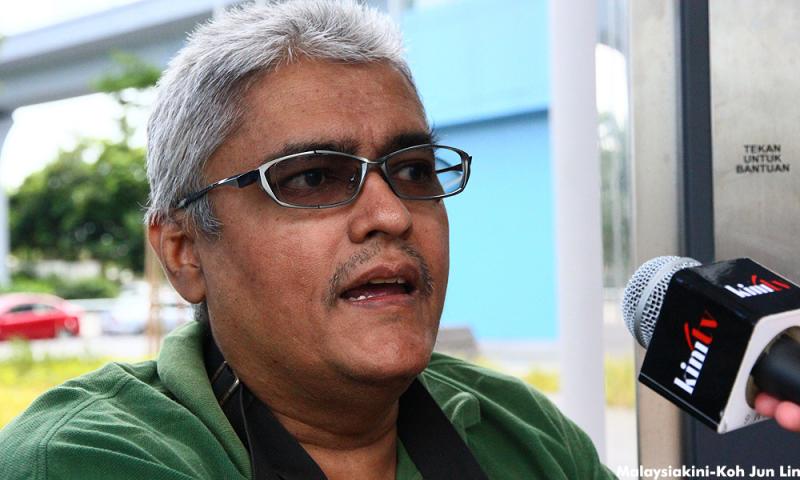
Disabled activist Anthony Thanasayan told Malaysiakini that the concept of independent living centres (ILCs) in the US and Japan was initially targeted at quadriplegics, or people who are paralysed from the neck down...
The government has been urged to ensure that grants given to set up independent living facilities in Malaysia will be fully utilised to meet the needs of its target group.
Disabled activist Anthony Thanasayan told Malaysiakini that the concept of independent living centres (ILCs) in the US and Japan was initially targeted at quadriplegics, or people who are paralysed from the neck down.
"At the moment, it is not very clear to me what is going on," he said in reference to news reports that the government had approved an allocation of RM900,000 to set up two ILCs in Malaysia.
Women, Family and Community Development Deputy Minister Hannah Yeoh yesterday reportedly expressed hope for more allocations from the Finance Ministry as two facilities were not enough to meet the needs of 549,000 registered persons with disabilities in the country.
"Via the ILC, we will start training personal assistants and also people with disabilities to enable them to become more independent and be able to go out and be with other people," Yeoh told reporters after presenting certificates to participants of the Personal Assistant For Disabled Training Workshop in Kuala Lumpur today.
She added that each ILC will have 25 trained assistants, apart from offering counselling sessions and running advocacy programmes.
Anthony however pointed out that, given the broad range of disabilities, there would be a chance the people who most needed help could be left out, unless the ILCs specifically targeted their needs.
"What they have done might look good but because they have mixed it all up, the people who really need help might not be able to get it," he said.
The wheelchair-bound activist cited his own experience of living alone, and how there would be others similarly needing help with daily activities, such as cooking and personal grooming, or requiring someone to accompany them on outings.
"These people might be living in low-cost flats with no working elevators, so once they get in, they might not be able to get out.
"They need people to go knock on their doors and assist them," he said.
Regarding the counselling sessions, Anthony said focus should be placed on conducting peer counselling sessions among people with disabilities, rather than engaging an able-bodied counselor.
He emphasised the original aim of ILCs was to help quadriplegics live an independent life, in ways such as running the centres themselves and making decisions on matters which affect them.
When contacted, Francis Silva said the government should consult more ILC providers and disabled groups before allocating the grants.
Silva has been running the Independent Living and Training Centre, a non-profit organisation based in Rawang, Selangor, for 19 years.
"The government has said this will be a pilot project, so they must ensure that the two ILCs follow a standard operating procedure," he said.
According to reports, the pilot project was a collaboration between the Malaysia Independent Living Association for Disabled (Milad) and the Development of Persons with Disabilities Department (JPOKU).
Requests have been made to fund the establishment of seven ILCs, but so far only two have been approved in Bangi and Petaling Jaya.


Are you sure you want to delete this comment?
This action cannot be undone.