


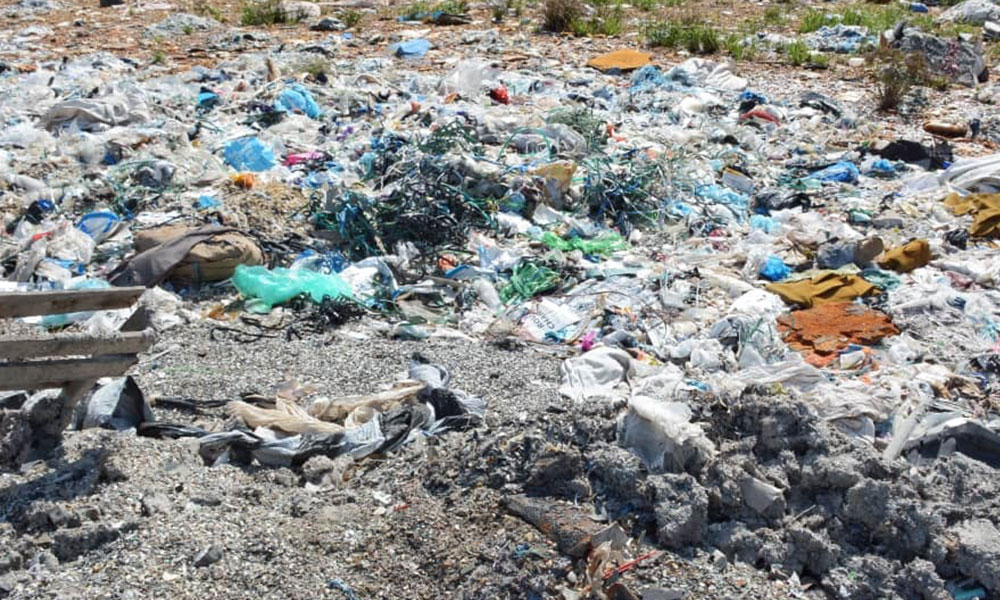

Provide details of illegal plastic burning in Tg Bungah, NGO told
After media reports of the illegal burning of plastic waste in Relau, Penang on Tuesday, Consumers Association of Penang (CAP) has claimed that there was another similar case in Tanjung Bungah.
CAP vice-president Fathima Mohd Idris said the NGO was informed that the case in Tanjung Bungah involved plastics being burned in the early hours (at about 4am).
"Stop the pussyfooting around plastic recycling pollution issue," Fatimah said in a statement today....
After media reports of the illegal burning of plastic waste in Relau, Penang on Tuesday, Consumers Association of Penang (CAP) has claimed that there was another similar case in Tanjung Bungah.
CAP vice-president Fathima Mohd Idris said the NGO was informed that the case in Tanjung Bungah involved plastics being burned in the early hours (at about 4am).
"Stop the pussyfooting around plastic recycling pollution issue," Fathima said in a statement today.
"We are aghast to have read a recent report of open burning of plastics in Relau.
"We call on the government to completely weed out plastic recycling facilities that do not comply to the stringent guidelines available," she added.
Today, Free Malaysia Today reported that the Department of Environment (DoE) has visited an illegal plastic recycling factory in Relau.
The factory has been the site of open burning of waste materials, FMT said.
DoE officers went to the six-acre (2.4ha) site yesterday after Penang executive councillor for environment Phee Boon Poh (below) lodged a complaint.
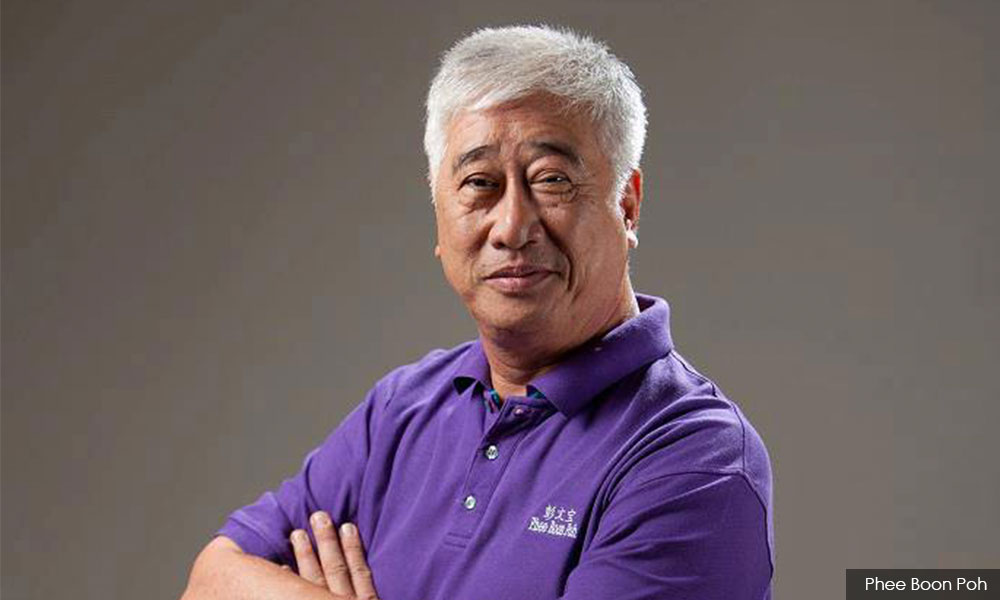
When contacted, Phee said he was unaware of the alleged incident in Tanjung Bungah.
"We need details. When was she informed? Who has she forwarded the information to? Can we have the details?" Phee asked.
Tanjung Bungah assemblyperson Zairil Khir Johari said he was also in the dark about any plastic burning in Tanjung Bungah.
"Certainly, whenever we get complaints we will contact the appropriate authorities immediately," said the state exco.
"There was a complaint of burning from a work site some weeks back and we got the council to move in immediately," he told Malaysiakini.
"It could be a very small amount so it dissipated quickly but it is irresponsible of those involved in the incident if it is true," he added.
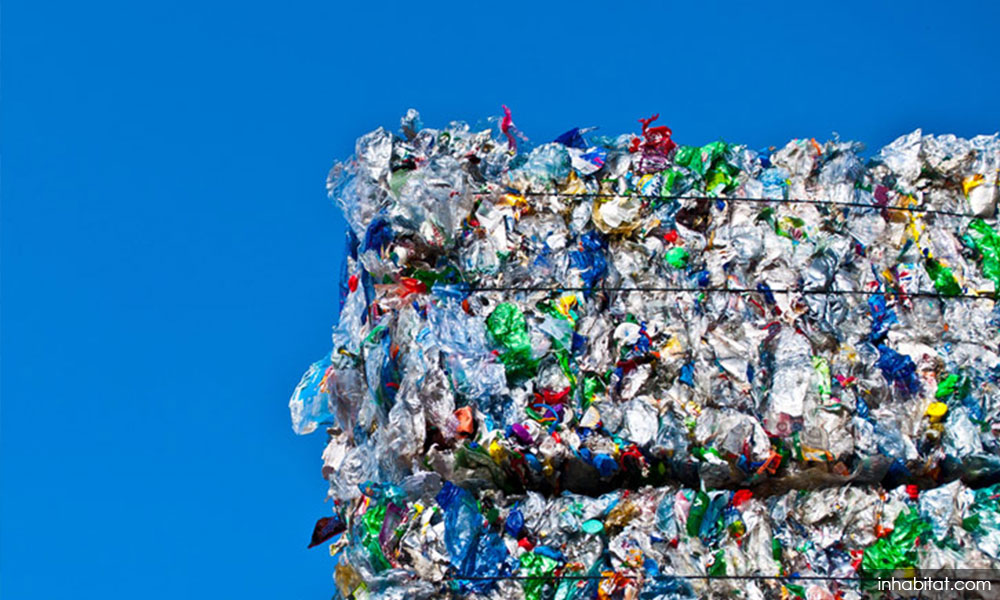
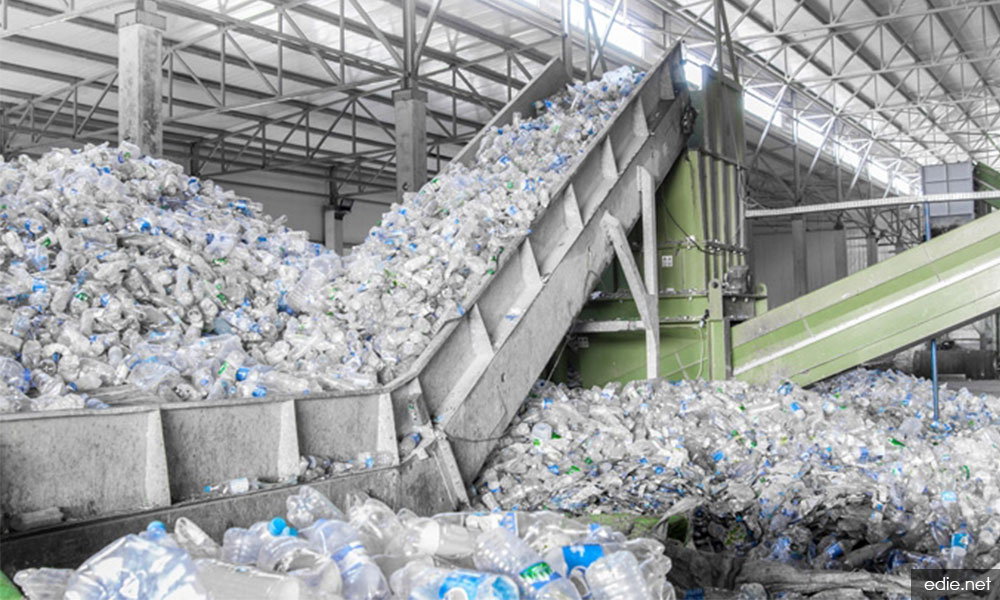
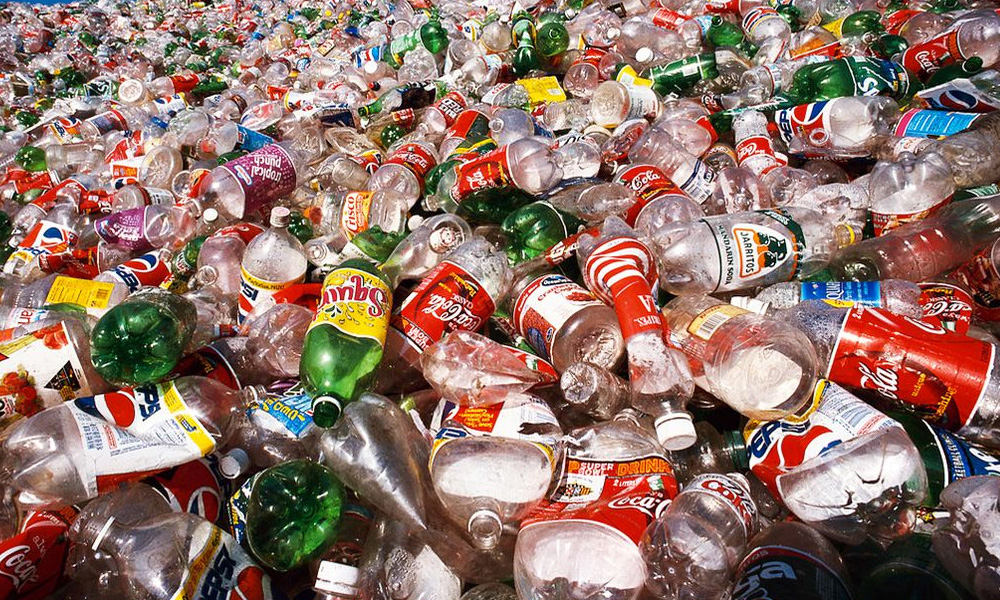
Meanwhile, Fatimah said usually only a small fraction of waste plastic (about 5 percent) is recyclable while the rest has to be disposed.
She added, normally illegal plastic recycling facilities have two "cost-effective" ways to dispose of them: landfill (legal or illegal) and burning.
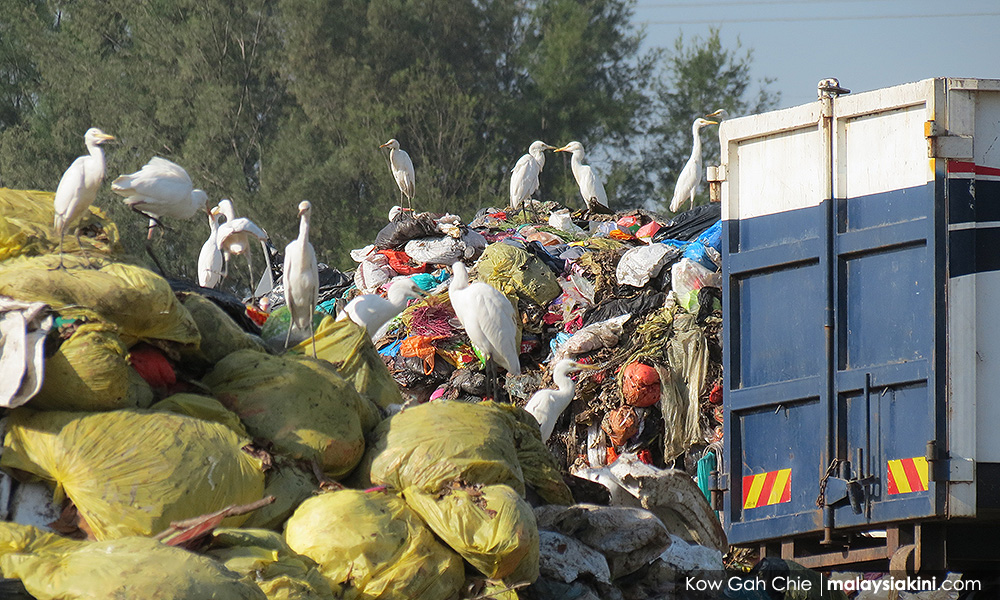
"The waste plastic needs to be cleaned and the process results in waste water that has to be treated before discharging into the environment.
Either methods of disposing plastic waste or the water that is used to clean/rinse the waste is contaminating the environment," she explained.
"Such environmental violations have been going on in many states, particularly after China shut its door to the import of most recyclable plastics in 2017," she said.
"In view of the many cases, the government should take firm action immediately on the factories involved".
Fathima said the government should set up a hotline for people to report illegal factories and their activities.
A taskforce should also be formed to handle such problems without fear or favour, she added.
"It is of utmost importance for the government to safeguard the health of the people," she stressed.



Are you sure you want to delete this comment?
This action cannot be undone.