


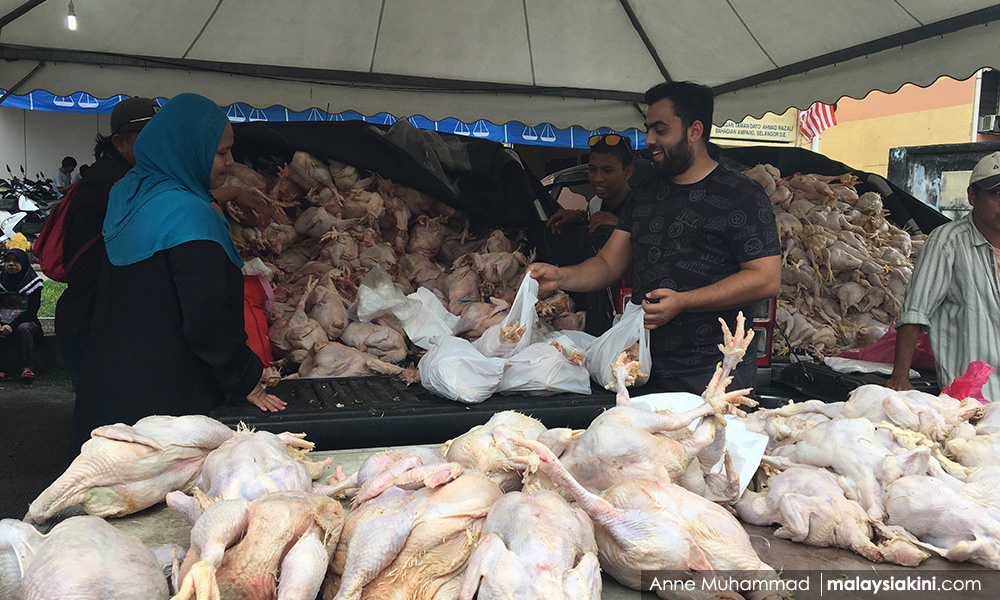

Poultry farmers dropping prices during MCO
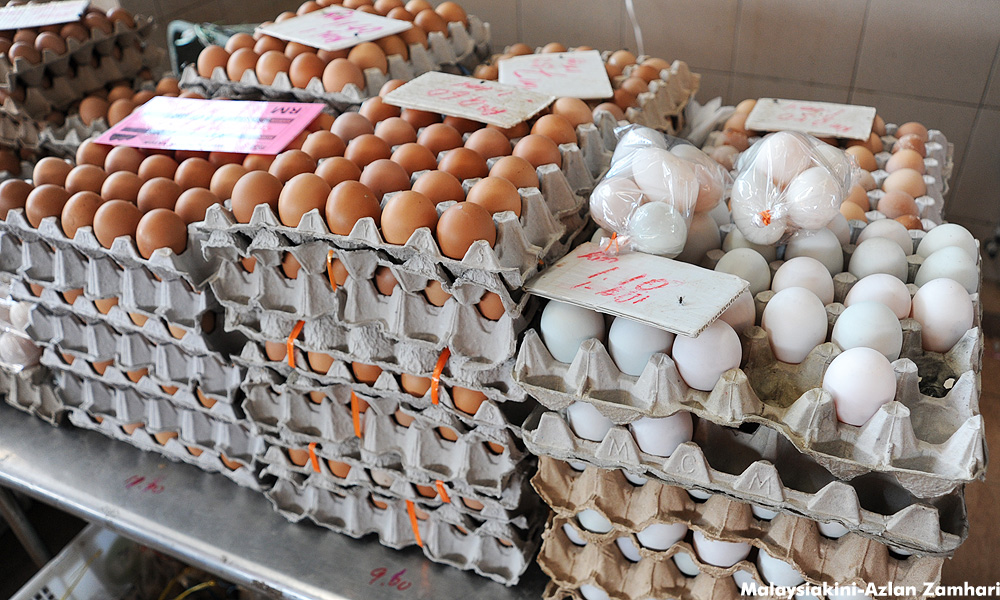
CORONAVIRUS | Although eggs are flying off the shelves, the chicken industry has taken a hit due to a drop in demand and the drop in the number of markets which are allowed to open during the movement control order (MCO) period.
According to former Federation of Livestock Farmers' Association of Malaysia (FLFAM) Chicken Unit director Yap Kim Hwah, Malaysia's 2,500 poultry farmers were caught off guard by the MCO.
CORONAVIRUS | Although eggs are flying off the shelves, the chicken industry has taken a hit due to a drop in demand and with the less number of markets allowed to open during the movement control order (MCO) period.
According to former Federation of Livestock Farmers' Association of Malaysia (FLFAM) Chicken Unit director Yap Kim Hwah, Malaysia's 2,500 poultry farmers were caught off guard by the MCO.
"Previously, there was a huge demand at the construction sites, factories and schools. Now, they have been closed down due to Covid-19.
"And the people are only buying necessities and food at the supermarket and hypermarket. They want to save money," Yap told Malaysiakini.
While some farmers have resorted to slaughtering their own poultry to freeze the meat before selling online, many have had to sell at a loss.
"There are farmers who have sold their poultry for as cheap as RM2 per kg (to wholesalers) when the cost of raising the chickens was approximately RM6 per kg," lamented Yap, who had been in the industry for four decades.
He said the entire industry lost millions of ringgit during the MCO.
He called upon the government to help the farmers by encouraging the people to consume "cheap" chickens.
Yap said it is important to resolve unsold chickens as the farmers would reduce production in the coming months even during Ramadan.
FLFAM president Tan Chee Hee, who also rears chickens, said some of those in the industry had resorted to "panic selling" when the MCO started due to the limited amount of markets that remained open.
Unlike Yap, Tan believes that demand remains the same.
Tan said FLFAM had proposed that the government subsidised the poultry industry and provide tax exemptions.
Importing livestock feed a problem
Meanwhile, Tan said the government had promised FLFAM to allow upstream industries to operate, including the importation of livestock feed and other products.
He said livestock farmers are running low on corn and soybean meal as these have to be imported.
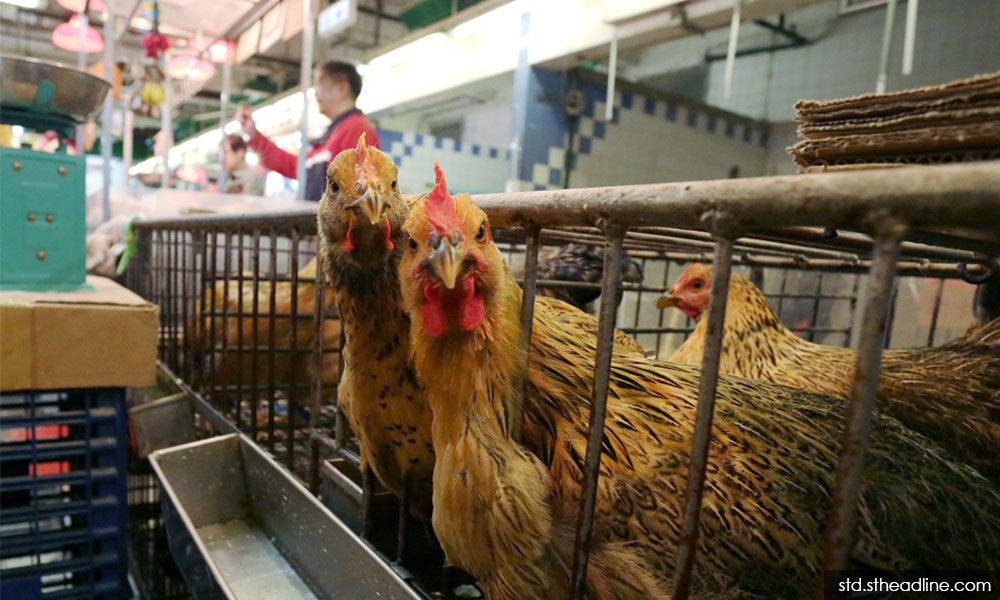
"The local feed millers then blends these raw materials and supply to various livestock.
"But I am not sure if we are going to get the supply two months later," said Tan.
He was confident that countries like the US, Argentina and Brazil would ensure the trade of these products to continue.
"If we cannot get the raw materials from these countries, there are always other choices," he said.
Tan said the depreciation against the US dollar since the Covid-19 outbreak would translate to a five percent price hike of raw materials and the animal feed was approximately 60 percent of the livestock cost.
Concurring, a Malaysian Feedmillers' Association spokesperson said its members had enough raw materials to produce the animal feed for two months.
"You see, it is a food-based supply. So, we cannot stockpile the ingredients for more than two months," said the spokesperson.
"The country needs 6.5 million tonnes of raw material annually."
Despite the uncertainty of the next batch of feed cargo, he said they still have plenty of choice of exporters worldwide.
Related stories:
Cameron Highlands farmers dump hundreds of tonnes of vegetables
Fishermen are dumping their catch as well
Fruits dumped as well, estimated 10k tonnes in Klang Valley alone
Pasar tani closure a gut punch for farmers
Fama to open social distancing-compliant pasar tani nationwide
Malaysia has rice stock for 2.5 months as Vietnam curbs exports
Keep up with the latest information on the outbreak in the country with Malaysiakini's free Covid-19 tracker.
Malaysiakini is providing free access to the most important updates on the coronavirus pandemic. You can find them here.
Help keep independent media alive - subscribe to Malaysiakini.




Are you sure you want to delete this comment?
This action cannot be undone.