


China's use of bile in treatment can spur illegal bear trade - M'sian conservationist
CORONAVIRUS | Recent reports of China promoting the use of bear bile in the treatment of coronavirus have raised the alarm that this could ignite illegal bear trade and further threaten the species in other countries, including sun bears in Malaysia.
This despite the fact no evidence exists that any current medicine can prevent or cure Covid-19, which has to date sickened over a million people and killed over 52,000 globally.
The move comes just a month after China, where the viral outbreak began, had taken steps to criminalise the consumption and trade of wildlife. The wild meat trade is largely believed to have caused the spread of the zoonotic disease in the first place.
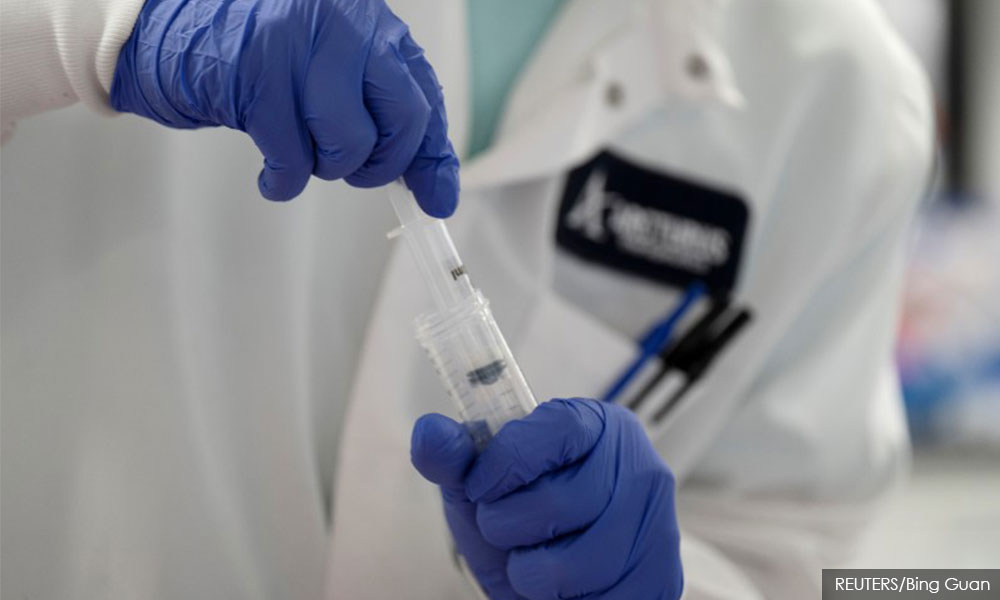
Sabah’s Bornean Sun Bear Conservation Centre (BSBCC) chief executive officer Wong Siew Te said the treatment Tan Re Qing - an injection containing bear bile typically used to treat bronchitis and upper respiratory infections - is only legal in China.
This is due to the medicine being produced using bile harvested from legal bear farms...
CORONAVIRUS | Recent reports of China promoting the use of bear bile in the treatment of coronavirus have raised the alarm that this could ignite illegal bear trade and further threaten the species in other countries, including sun bears in Malaysia.
This despite the fact no evidence exists that any current medicine can prevent or cure Covid-19, which has to date sickened over a million people and killed over 52,000 globally.
Ironically, the move comes just a month after China, where the viral outbreak began, had taken steps to criminalise the consumption and trade of wildlife. The wild meat trade is largely believed to have caused the spread of the zoonotic disease in the first place.
Sabah’s Bornean Sun Bear Conservation Centre (BSBCC) chief executive officer Wong Siew Te said the treatment Tan Re Qing - an injection containing bear bile typically used to treat bronchitis and upper respiratory infections - is only legal in China.
This is due to the medicine being produced using bile harvested from legal bear farms while wild targeted bear species - mainly sun bears and Asiatic black bears - remain threatened in many countries.
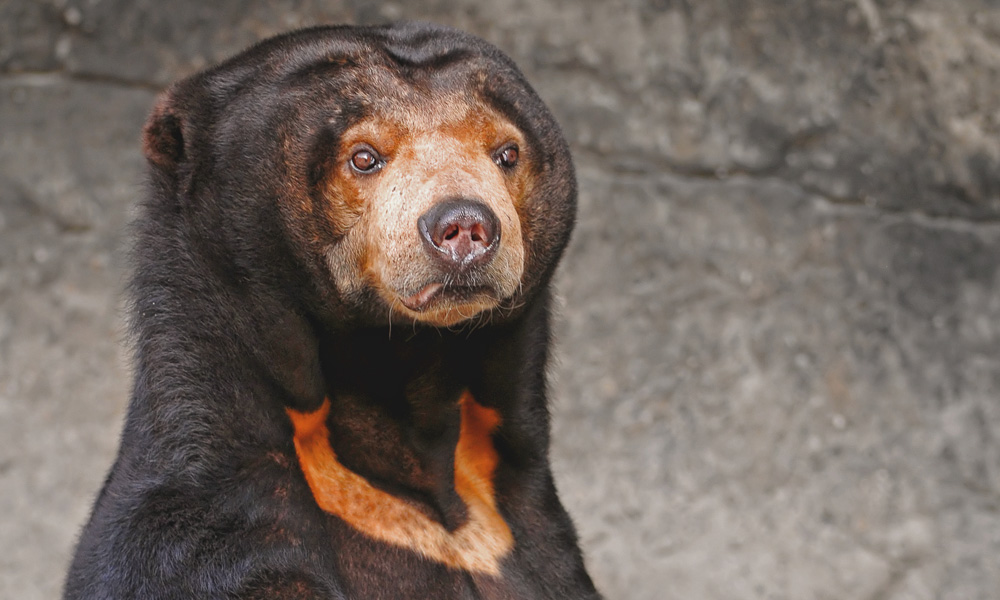
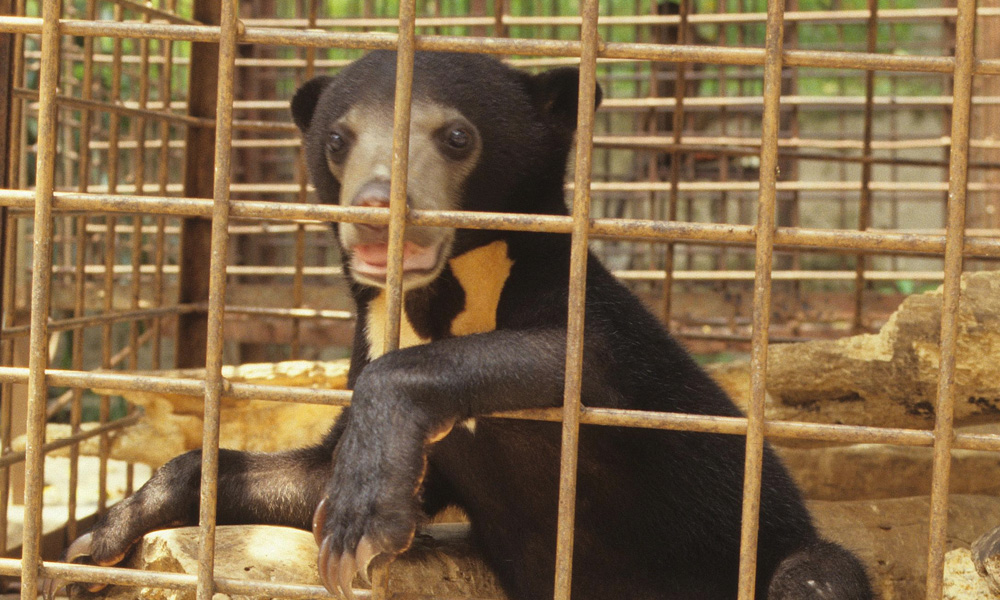
The sun bear - both the Malayan and Bornean subspecies - are protected by law in Malaysia.
Yet, Wong fears news of the Tan Re Qing treatment would lead many people to track down bear bile to treat ill family members, with no regards to the animal’s protected status and with little knowledge as to the treatment’s actual effectiveness against Covid-19.
“In theory, the use of these bear bile is legal in China and will not harm the wild bear population.
“However, my concern is, if this news somehow reaches the general public, villagers, or peasants across the world, l am sure they will try their best to hunt down the very last bear that they can to obtain the bear bile to treat their sick family members or friends.
“They will not care whether it is legal or not, as long as (they think) it works.
“[...]This is one more reason for them to stockpile bile at home, just in case,” he told Malaysiakini.
Wong said he feared this, coupled with the sun bears’ slow reproduction rate, could cause the population to further crash and expedite its extinction rate in Malaysia.
“Sun bears have a very slow reproduction rate. They cannot cope with any form of human-caused mortality.
“(Any increase in illegal trade demand) will cause the population to crash and go extinct locally, followed by regional extinction,” he said.
READ MORE: Pleading the case of Malaysia's sun bears
Worse, Wong pointed out as domestic and international authorities, busy dealing with the health and economic ramifications of the Covid-19 pandemic as well as trying to enforce lockdowns and varying degree of movement restrictions, would not be able to channel resources to patrolling the forests, monitor black market and safeguard wildlife.
Malaysians have been under an increasingly intensifying four-week movement control order (MCO) from March 18, with the government yet to decide if the order period is to be further extended.
Already, illegal trade in bear bile in Malaysia has been persisting. An October 2019 report published by global wildlife trade monitoring network Traffic revealed that during a year-long period from 2017 to 2018, 69.5 percent of traditional Chinese medicine (TCM) shops surveyed in Peninsular Malaysia were found to be selling, or potentially selling, bear bile products.
This, compared to 48 percent in a 2012 survey which also included Sabah and Sarawak. Worse, many retailers surveyed were already aware that trading in bears or its parts were prohibited.
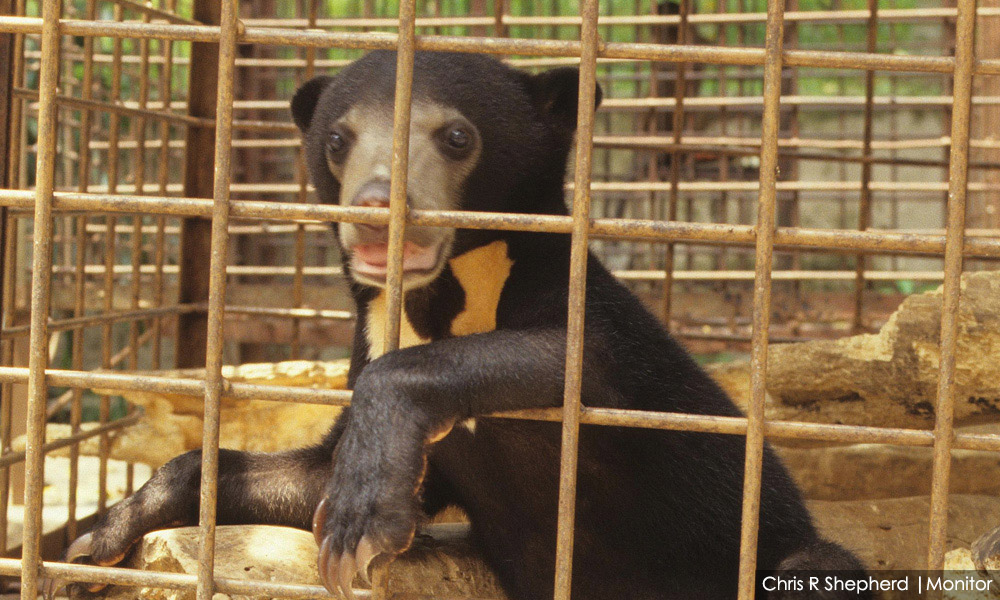
Wong said illicit traders would now be able to advertise China’s use of bear bile to treat Covid-19 patients, adding this would result in “huge consequences and create a negative impact on the wild bear population across the globe”.
Wong said: “As the demand goes up, the price (of bear bile) goes up, and the poor will do everything they can to get the last bear (for trade), especially as the poor is set to get poorer with the MCO. Do you see how it all connects?”
Locally known as beruang madu or honey bear, the sun bear is listed as vulnerable in the International Union for Conservation of Nature’s (IUCN) Red List, the world’s most comprehensive inventory of threatened species.
According to the National Geographic, the Chinese National Health Commission had early last month published a list of coronavirus treatment, including Tan Re Qing.
READ MORE: Why more bite force is needed to fight wildlife cybercrimes
On the risks of such trade in the potential spread in zoonotic diseases, Traffic stated that countries should pursue measures to address illegal and unregulated trade in wildlife “with additional zeal and precision at this time to send a strong message that such trade - whether in physical premises or online - is part of an infrastructure that can threaten human health as well as the conservation of biodiversity”.
“Attention to zoonotic disease risks may well require a complete overhaul of wildlife trade policy and law.
“Strengthened measures are required to ensure the legality, sustainability and traceability of the specimens and products concerned, and adequate resources to ensure full monitoring are in place to mitigate against the risk of disease emergence, ”it said in an earlier statement.
To date, Malaysia has recorded 3,116 positive Covid-19 cases, of which there have been 50 deaths, while 767 or 24.6 percent of patients have fully recovered.
Although there is no known cure for the virus, many countries have been experimenting with various drugs to treat patients and symptoms associated with the disease.
Malaysia is currently using hydroxychloroquine and several other off-label antiviral drugs to treat patients. It will also reportedly be bringing in the experimental drug Remdesivir.
Keep up with the latest information on the outbreak in the country with Malaysiakini's free Covid-19 tracker.
Malaysiakini is providing free access to the most important updates on the coronavirus pandemic. You can find them here.
Help keep independent media alive - subscribe to Malaysiakini.


Are you sure you want to delete this comment?
This action cannot be undone.