



Education minister: Nearly 40 pct of students don't own a device for e-learning
An Education Ministry survey revealed that 36.9 percent of up to 900,000 students affected by school closures due to the Covid-19 outbreak have no access to an electronic device for e-learning purposes.
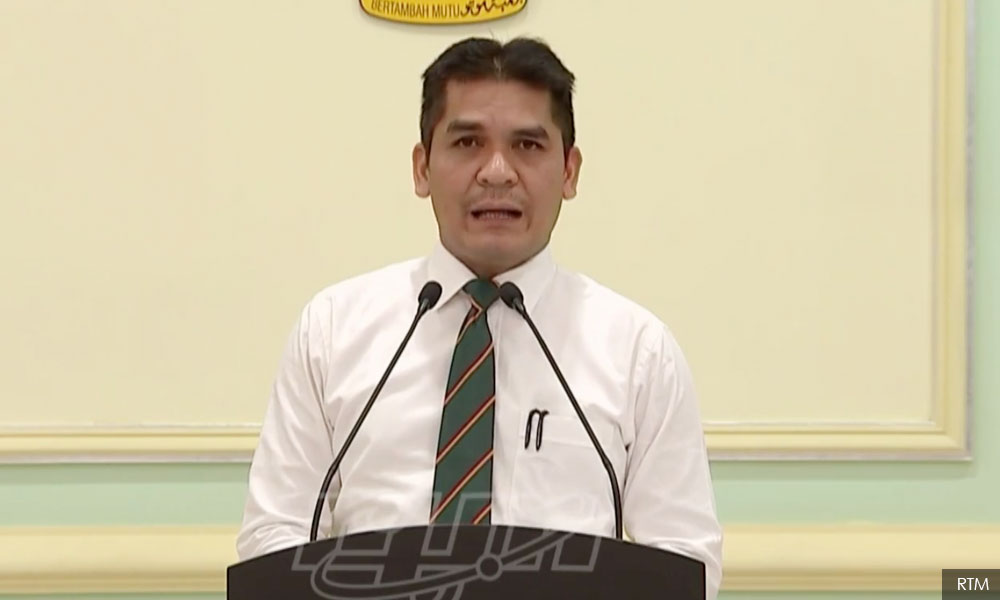
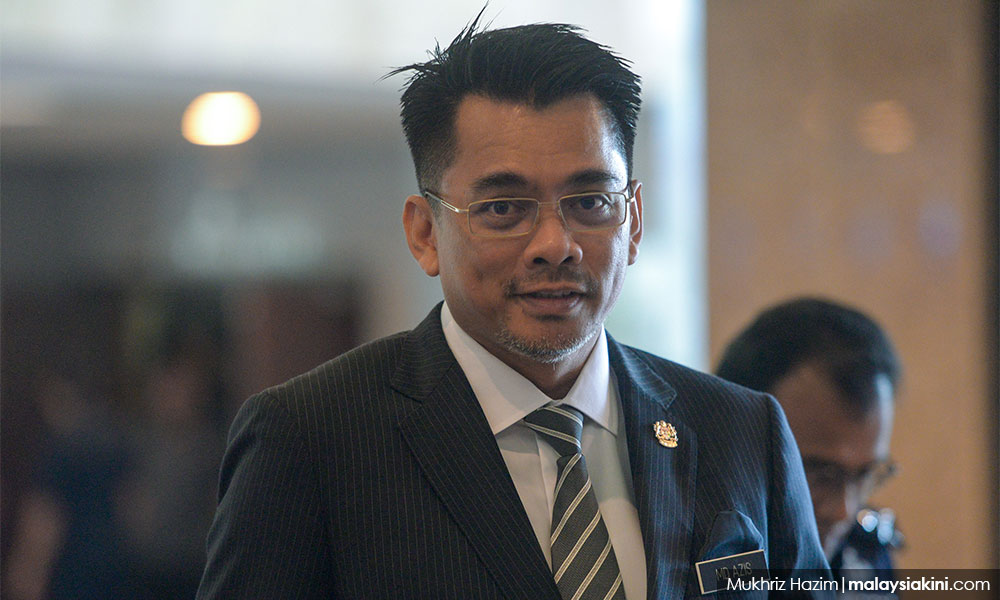
According to Education Minister Radzi Jidin, the survey of students from 670,000 households found that only six percent or around 54,000 of them have access to a personal computer.
An Education Ministry survey revealed that 36.9 percent of up to 900,000 students affected by school closures due to the Covid-19 outbreak have no access to an electronic device for e-learning purposes.
According to Education Minister Radzi Jidin, the survey of students from 670,000 households found that only six percent or around 54,000 of them have access to a personal computer.
A majority or over 400,000 students surveyed were found to have access to a smartphone device.
"Only 5.7 percent of students own tablets, nine percent own laptops, 46 percent own smartphones and 36.9 percent have no device.
"If you add it all up, the figure is more than 100 percent because some students have more than one device," he explained during a press conference in Putrajaya.
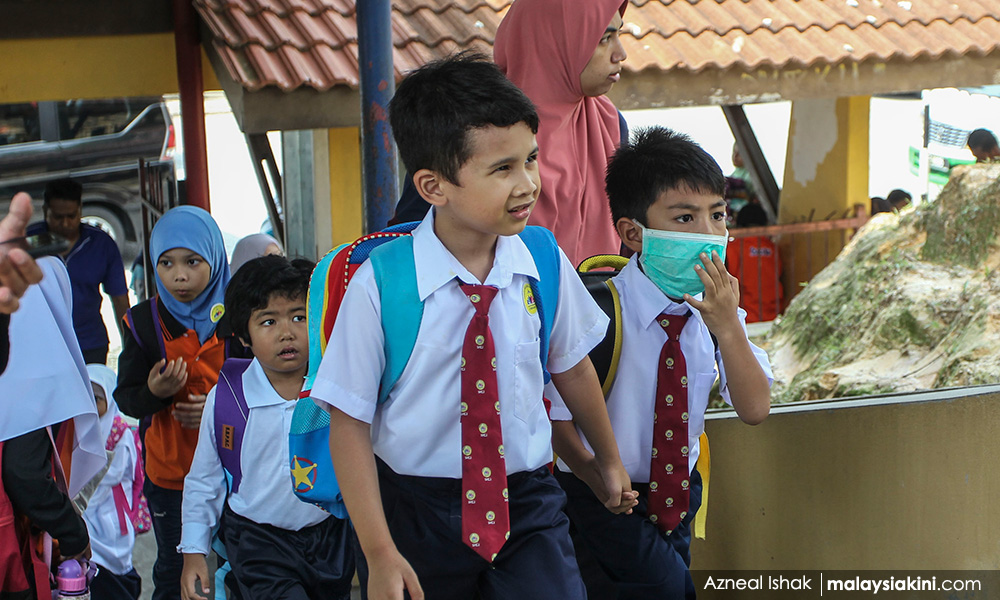
Overall, Radzi revealed that 500,444 students would be affected by the Education Ministry's announcement that Ujian Penilaian Sekolah Rendah (UPSR) and Pentaksiran Tingkatan Tiga (PT3) are cancelled amid the Covid-19 pandemic, and all secondary school examinations will be postponed to next year.
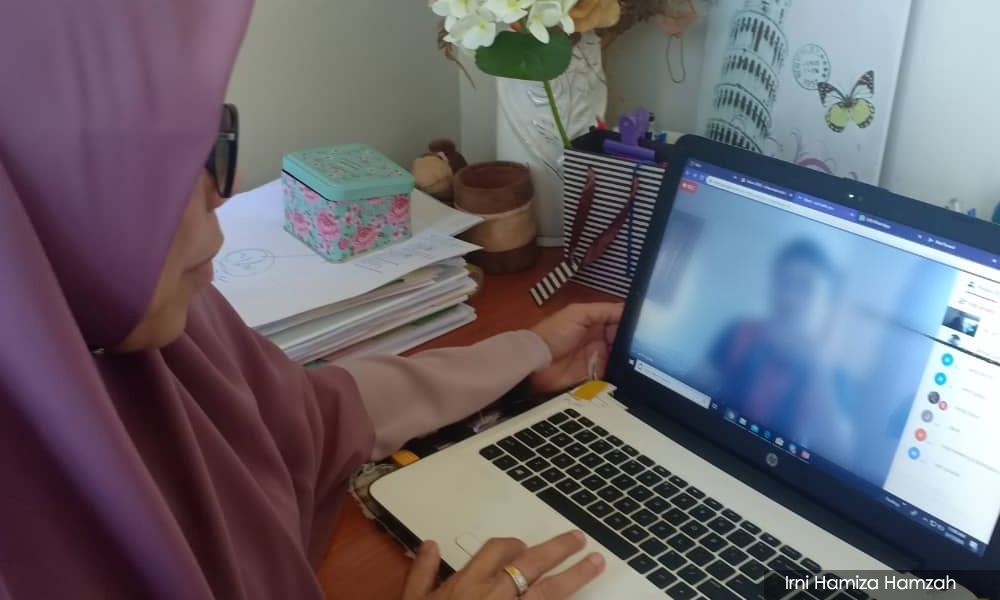
With the shift to home-based e-learning, Radzi admitted that the survey figures have revealed restrictions in carrying out the teaching and learning process.
"In this context, home-based learning is a challenge, firstly for students with no devices, and secondly with limited internet access.
"For example, if they want to open the 'Cikgutube' platform by the ministry, if the internet connection is slow, it will take a very long time.
"That is why in the beginning we stressed in our guideline, teachers must take into consideration restrictions faced by children at home in determining the best way to implement the teaching and learning process," he said.
Radzi stressed that the Education Ministry will strive to ensure that no students are left behind, as he expressed confidence in teachers' commitment and creativity to carry out the process.
Meanwhile, two groups representing parents and teachers welcomed the ministry's announcement.
Alluding to limitations of devices among students, the Malaysian Muslim Teachers Network (iGuru) urged the government to establish Smart Phone Wakaf (endowment) Scheme for needy students, on top of efforts to improve internet penetration levels.
Its president Azizee Hassan also urged the Education Ministry to consider sending capable teachers to rural areas with very limited internet access.
Meanwhile, National Parents Teachers Association president Mohamad Ali Hassan said the new assessment systems to replace UPSR and PT3 should take into consideration factors including the digital divide among students.
"Assessments for students should not only be based on academic performance but also their level of access to education," he told Malaysiakini.
Additional reporting by Nur Haziqah Jasmani.
Keep up with the latest information on the outbreak in the country with Malaysiakini's free Covid-19 tracker.
Malaysiakini is providing free access to the most important updates on the coronavirus pandemic. You can find them here.
Help keep independent media alive - subscribe to Malaysiakini.


Report this comment
Are you sure you want to delete this comment?
This action cannot be undone.