


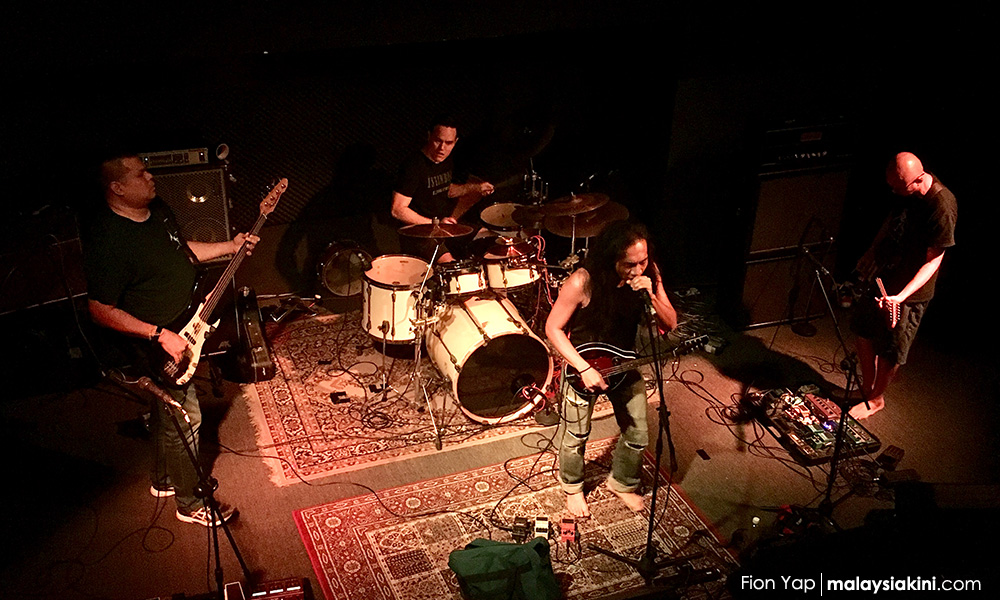

Hollow note: M'sia's live music scene muffled as Covid-19 battle drags on
SPECIAL REPORT | As the world largely went under lockdown as countries attempted to do battle against the deadly Covid-19 pandemic, many concert halls and stages fell silent.
Instead, over the past few months, millions around the world tuned in to their screens, through virtual "windows" as celebrated singers, bands and other performers held online concerts.
Yet, to many, virtual performances cannot replace live concerts, nor can such performances remove the feeling of isolation felt by movement restrictions, even in Malaysia, which underwent almost two months of near lockdown with the movement control order (MCO) since March.In the wake of the coronavirus crisis, music events have become impossible. Music bars in downtown Kuala Lumpur closed and the sound of buskers...
SPECIAL REPORT | As the world largely went under lockdown as countries attempted to do battle against the deadly Covid-19 pandemic, many concert halls and stages fell silent.
Instead, over the past few months, millions around the world tuned in to their screens, through virtual "windows" as celebrated singers, bands and other performers held online concerts.
Yet, to many, virtual performances cannot replace live concerts, nor can such performances remove the feeling of isolation felt by movement restrictions, even in Malaysia, which underwent almost two months of near lockdown with the movement control order (MCO) since March.
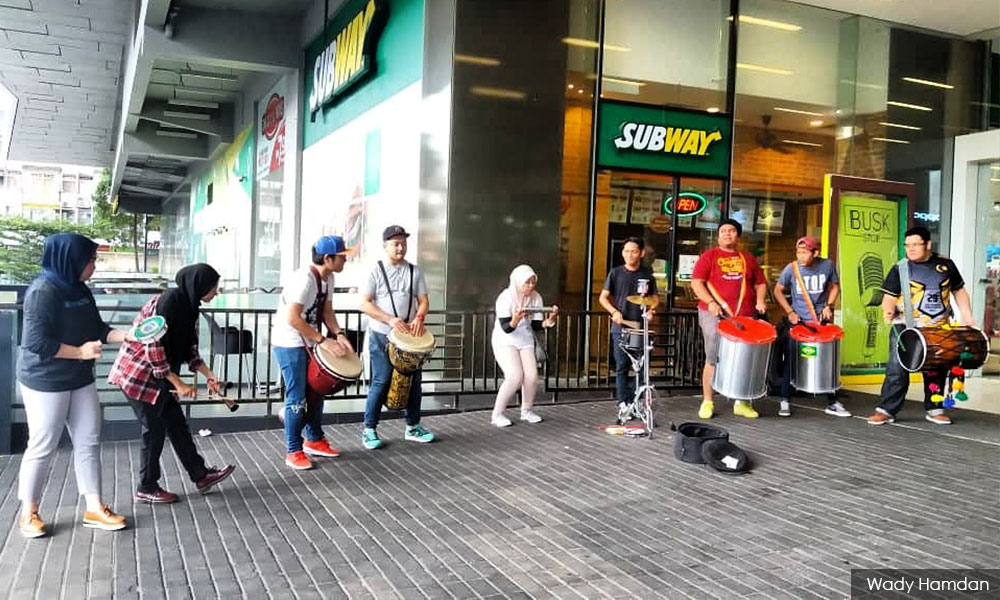
In the wake of the coronavirus crisis, music events have become impossible. Music bars in downtown Kuala Lumpur closed and the sound of buskers, cheers, and applauds are now absent from the once lively night scene as musicians were forced to lay down their instruments and mikes.
Several players in the local music industry tell Malaysiakini that the live music scene in the country seems all but an illusion now.
At the same time, they are preparing for possible changes as the industry is set to evolve to adapt to the new normals in Covid-19 or post-Covid-19 landscape.
“We will not have music for at least six months... I don’t think the crowd will enjoy a social distancing gig.
“(That is the) More optimistic view... But a more realistic assumption is 18 months until an effective (coronavirus) vaccine is found,” said Brian Gomez (photo, below), the owner of Merdekarya, a live music venue in Petaling Jaya.
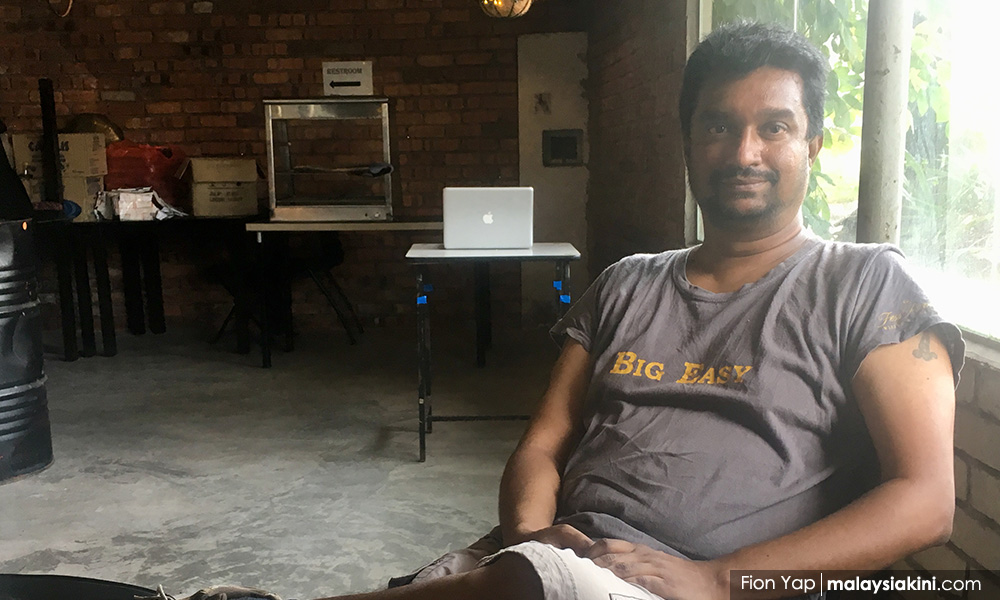
Previously, Gomez spoke of how the ground floor of the double terrace Merdekarya venue would open its doors at 7pm each night, providing American-style burgers while the live show would start on the second floor at 9pm. The music and rhythm would linger till midnight.
However, due to the epidemic, Merdekarya was among businesses forced to close its doors for two months. It only reopened in the middle of May when the conditional MCO started.
Malaysia was placed under a near lockdown with the MCO beginning on March 18 in the wake of Covid-19 outbreak.
However, as the number of infections began to decline, the government began to gradually ease regulations and lift restrictions as the country shifted to the conditional MCO in May and now, recovery MCO.
Since the conditional MCO, most businesses were allowed to resume, albeit under strict conditions, including social distancing measures. Any other form of large public gatherings, such as concerts, are still prohibited.
The recovery MCO is slated to end on Aug 31.
This is bad news, particularly for event operators and bands. Gomez said live performances are the only real and biggest source of income for musicians.
“You’re not going to make money from Spotify or YouTube, most of the online music is free. Nobody buys CDs anymore.
“Most of the musicians will start off playing at a smaller venue, like ours, and practice for a better show and build up their audience. One or two of them might be picked up by major labels for bigger things, but that is not a sustainable way, and not everyone will have the luck.
“So if there are more venues, then the musicians can make their rounds,” said the musician, who is also an author.
The business model changed for survival
Over two months of closure meant the live music bar received zero revenue, which is an unprecedented challenge for Gomez.
To try and make up lost revenue, he is currently operating Merdekarya for longer hours by providing takeaway and limited dine-in services.
Except for the original menu, Gomez is now selling his home-cooked meals too, targeting the neighbouring residents.
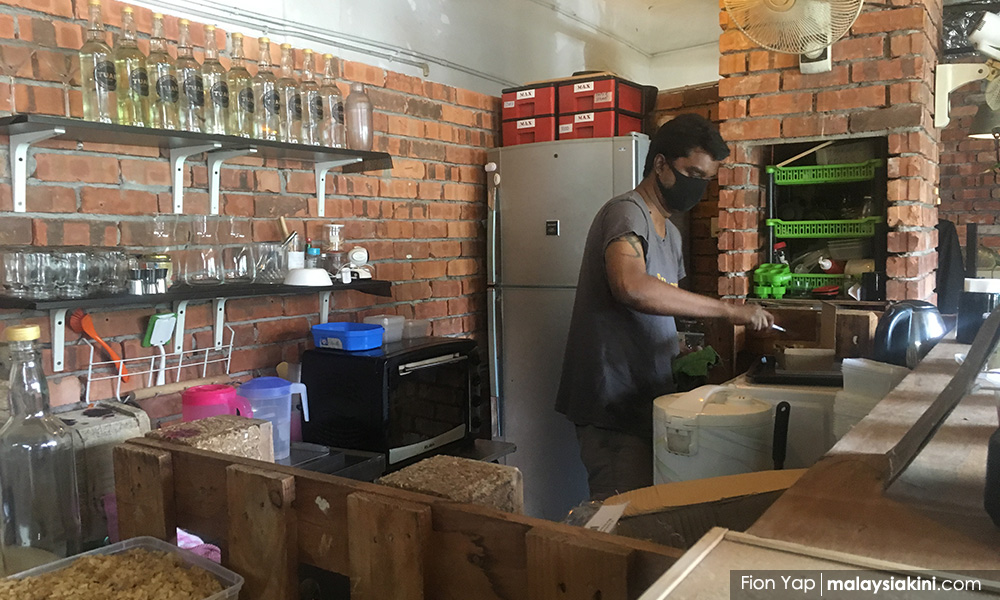
In addition, Gomez (above) rolled out a fundraising plan, selling 999 bottles of tuak (toddy) online.
But one of the bigger questions he has is, would people pay for online music showcases?
Although the music scene seemed to be moving online when the pandemic started, Gomez is not holding to the hope that the trend would stick.
“Online gigs are a good promotional platform but it wouldn't generate income (in the long run). Obviously people are not going to have that much spending power and many are even going to lose their jobs or experience salary cuts.
“They could also listen to artistes from around the world who are doing this for free. So these events (online gigs) do not make sense if we have to go through all this but not make any profit.”
Over the past few years, Gomez told Malaysiakini, he had to take some freelance writing work and various day jobs to subsidise the running of Merdekarya.
Needless to day, things only got worse in the Covid-19 era.
However, when asked if it was possible for him to keep operating this place in case the coronavirus lasts for years, Gomez gave a surprisingly optimistic answer.
“Tough time is every time for us. If we have to build it again then we will do it, because we have done it before. Not many people know about the grassroots music we promote, we don't have a culture of listening to local music.
“We ran this place for six and a half years without profit until 2019, it was the first time we made a profit. But the good thing is we are familiar with the situation.
"Of course, it is worse now but you don’t run a live music venue without having the ability to weather tough times," he said.
However, for the time being, Gomez stressed that he can only wait for a clearer picture before planning his next steps.
“If there is an effective vaccine, things might, hopefully, go back to how we were before. If not, social distancing has to go on.
“There are countries that are planning to hold gigs with social distancing where people stand one metre away from one another. I don’t know how it is going, but people are trying to adapt it.”
Music 'revolution' forthcoming
Meanwhile, another live music venue in Kota Damansara, “Live Fact”, had converted their space into a recording studio and rents it out for rehearsals, filming and recording albums.
Despite this strategy, the operators of Live Fact told Malaysiakini that they were forced to lay off their only part-time staff after two months as there were no door takings and beverage sales. The last live music show there was in February, prior to the MCO.
Yet, Live Fact’s owner Shane Tan seems to be ready for the challenges. With some sponsor resources on hand, he is trying to make the online showcase profitable, collaborating with a sound and light team as well as a video production house, who are also struggling now.
“We have our own sound equipment and we can do the production part. We are now looking for the sound engineers who are able to transfer the live sound effect to the online platform.
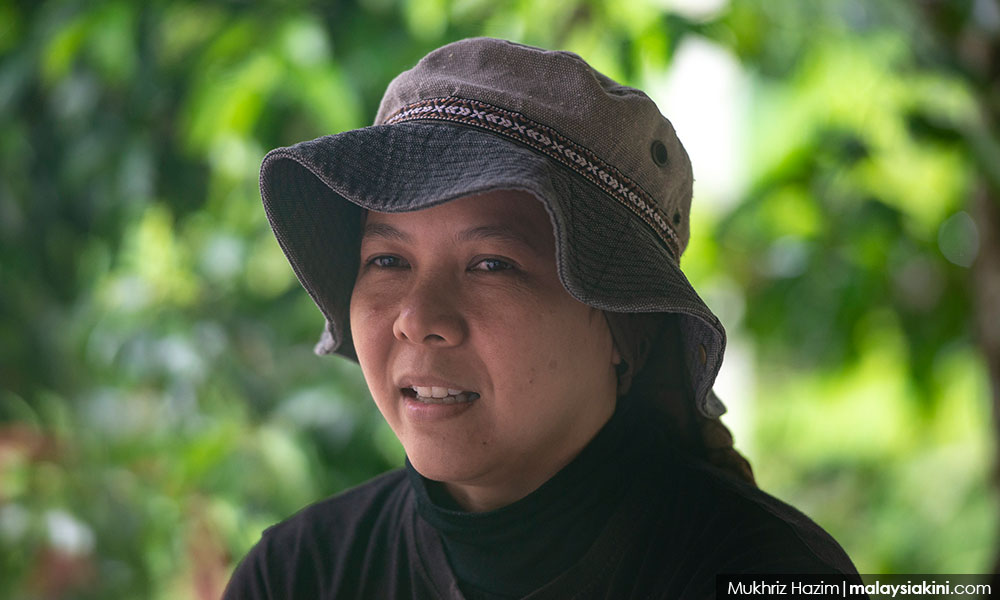
“Previously most of them would only transfer the sound for the crowd on the ground, it’s a different skill,” Tan (below) said.
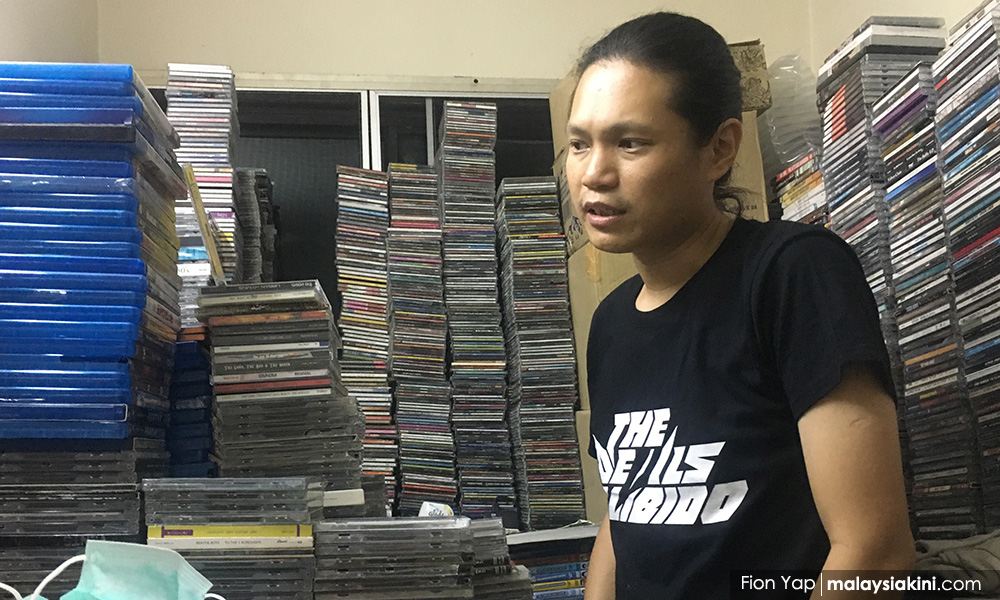
He also noted that most online showcases during the MCO period were mostly free of charge, except for fundraising concerts.
“We organised a fundraising show online before, we collected around RM2,000 but all of it was donated to the related organisations. Anna Chong and five of our staff received zero income.
“It was as time-consuming and tiring as putting on a live event. We had to learn how to operate the live show’s software, checking on the online payments and all sorts of new technologies.
“But the income we earned decreased drastically if compared with live shows. That’s why many of us hesitate to do it.
“So, we are planning to make it profitable by providing more professional sound and light effects in the near future. We hope the people are willing to pay for it.”
Tan added that if the coronavirus pandemic drags on, the live music industry would see a “revolution”.
Live performance is the irreplaceable part of the independent music scene, where the musicians and fans could keep zero distance among one another, but this is, unfortunately, a big no-no in the Covid-19 era.
Like Gomez, Tan predicted that live music shows will not take place in the following six months to one year, or even longer while the whole world is now embracing the contactless technology to contain the spread of the invisible virus.
“If we cannot control the epidemic for five years or 10 years, if the pandemic lasts forever... then we will see a revolution, the culture of listening to music will change thoroughly.
“That will be a world without events, concerts or music festivals, and the music industry has to survive with alternative ways. We should try and see if online gigs will be an option.
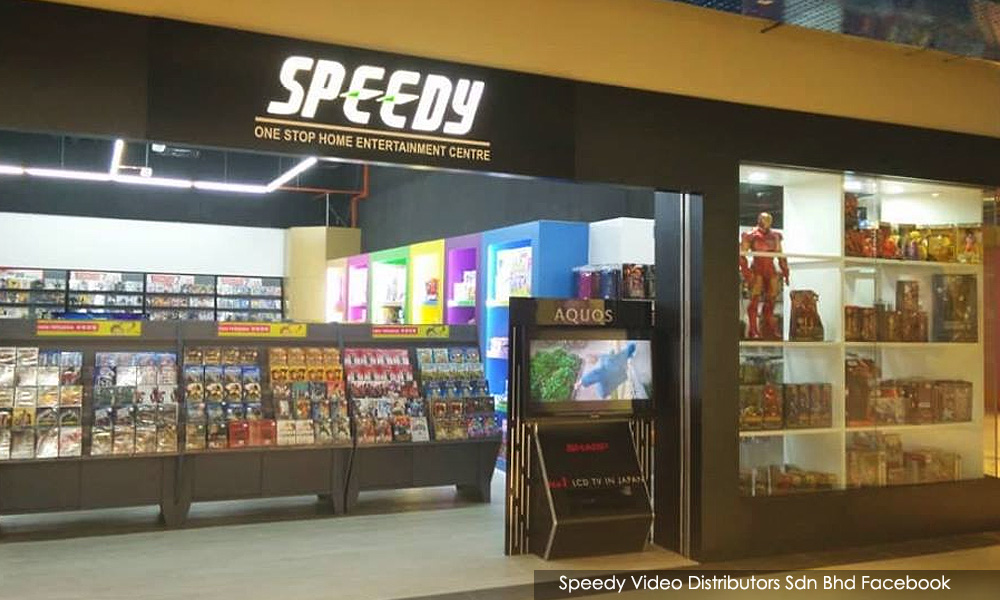
To maintain his basic livelihood, Tan is also targeting the collector market, selling CDs and DVDs now.
He has operated this business for more than two years but the good news is, the people seem to spend more time on movies and music while working from home under the new normal, hence his customer base has increased during MCO.
As a live house owner and also a music festival curator, Tan believes the crowd will be back to the stage at the end of the day, moving with music again.
“Maybe two years later, when most of the countries have a zero virus case, when the governments lift the social distancing restrictions, the people will be back.
“Once the time comes, people would rush out for the festivals, just like the revenge buying phenomenon after a long period of staying at home.
“But we don’t know when the time will come, so we have to try to survive through this period first.”
PART TWO: Long-standing policies a barrier for music industry even before Covid-19 era



Are you sure you want to delete this comment?
This action cannot be undone.