



Stop allowing plantations in forest reserves, groups tell Putrajaya
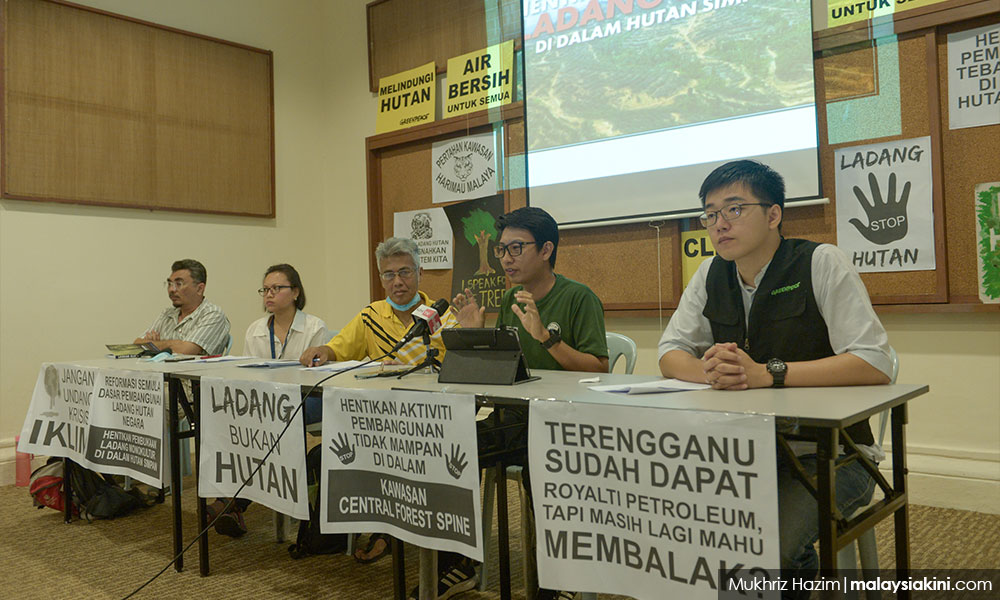
Several environmental NGOs today urged Putrajaya to discourage the practice of allowing commercial, single-species plantations within permanent forest reserves.
This comes as the government is in the midst of finalising the latest version of the Malaysian Forestry Policy (Dasar Perhutanan Malaysia)...
Several environmental NGOs today urged Putrajaya to discourage the practice of allowing commercial, single-species plantations within permanent forest reserves.
This comes as the government is in the midst of finalising the latest version of the Malaysian Forestry Policy (Dasar Perhutanan Malaysia).
In a press conference today, Sahabat Alam Malaysia (SAM) field officer Meor Abdul Razak Meor Abdul Rahman said such “forest plantations” were harmful to the forest ecosystem.
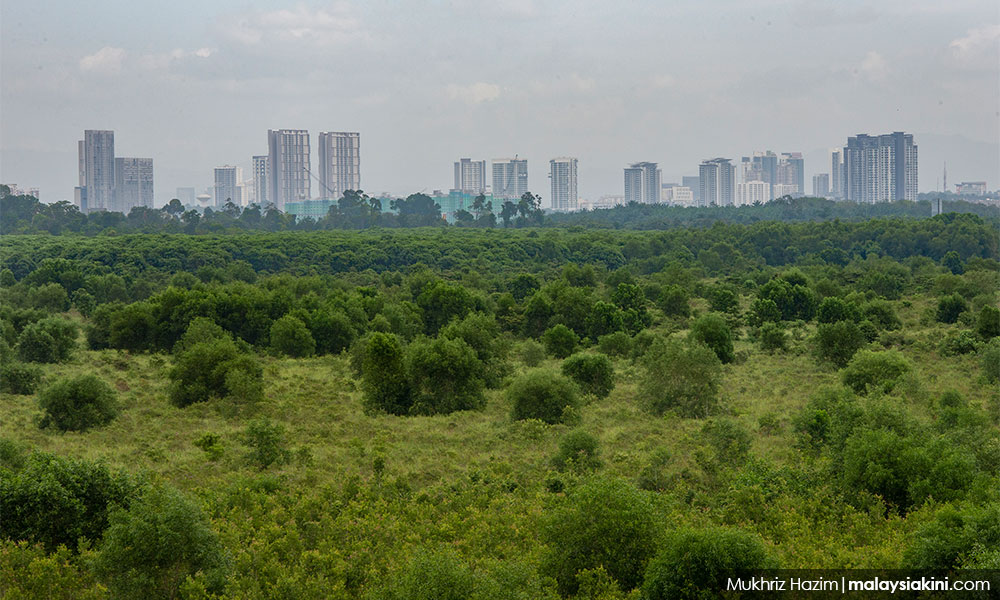
Portions of forest reserves - along with protected trees - were often cleared to make way for monoculture (single-species) plantations for cash crops like Musang King durian and rubber.
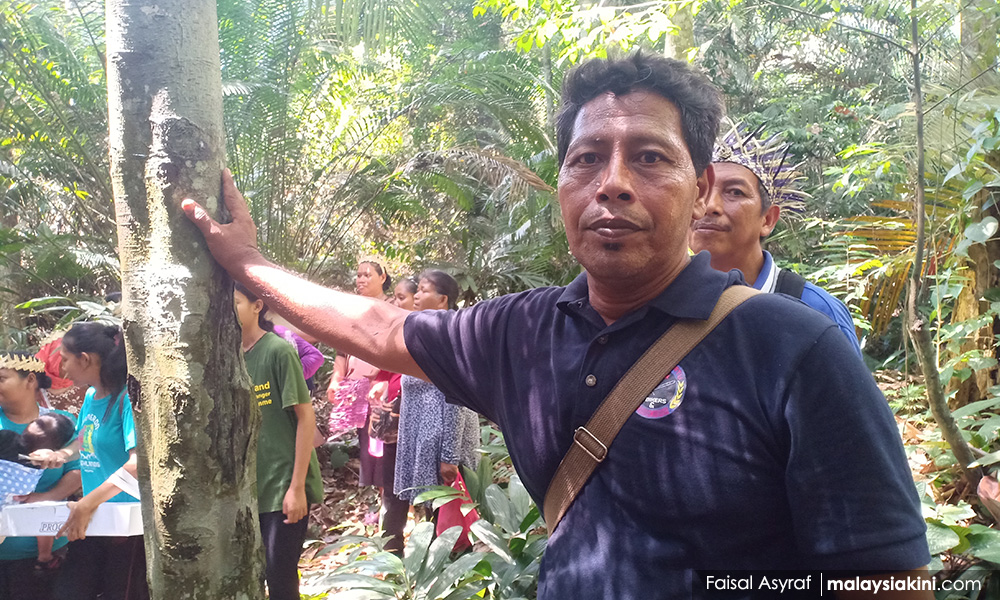
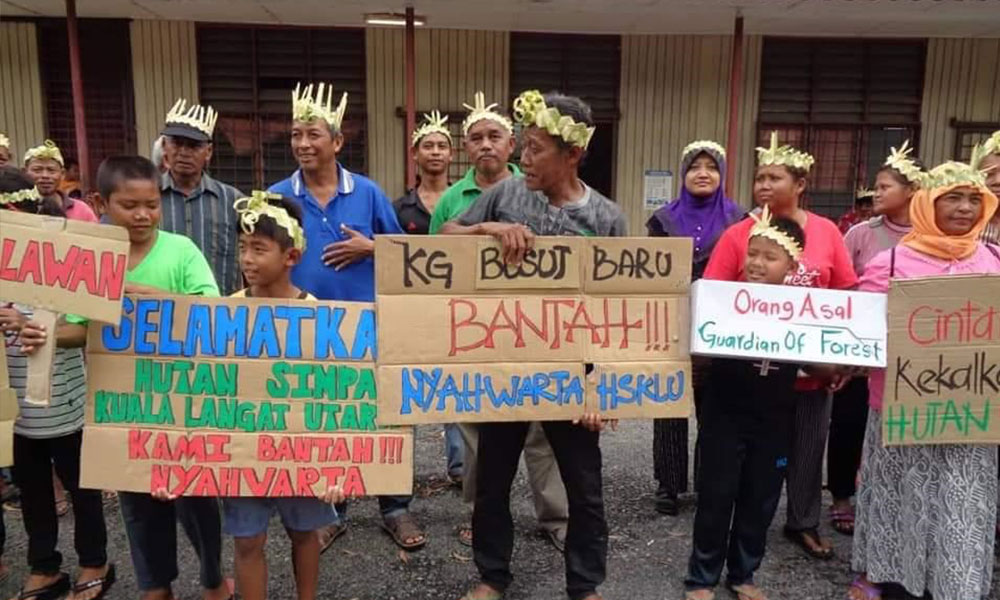
Not only did this “contradict” the biodiverse nature of a forest, but plantations were also detrimental to wildlife and local communities like the Orang Asli who rely on the forest for food and other purposes, he added.
“A plantation is a large-scale area for planting monoculture crops.
“Whereas a forest is formed naturally, filled with trees, has a high degree of biodiversity and performs various ecological functions.
“We are of the opinion that any policies that encourage monoculture plantations in permanent forest reserves ought to be abolished [...] and reviewed,” Meor (below) said at the Kuala Lumpur and Selangor Chinese Assembly Hall.
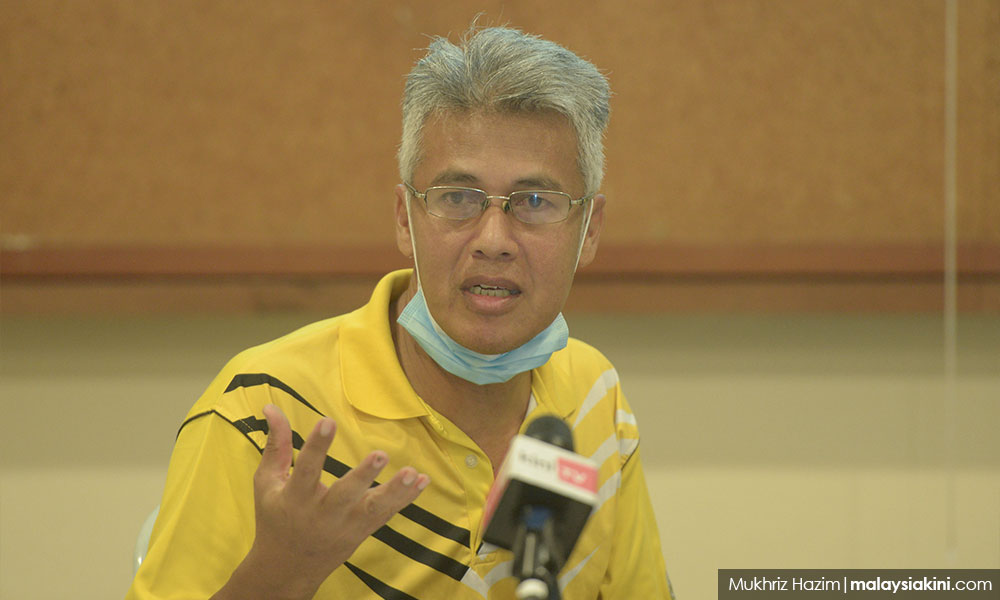
Overseen by the Energy and Natural Resources Ministry, such policies include the National Timber Industry Policy (Natip) as well as the upcoming Malaysian Forestry Policy and Peninsula Malaysia Forestry Policy.
Meor further questioned the oft-cited reason for converting reserves into forest plantations - that the reserves had become hutan miskin, or degraded forests.
“The Forestry Department classifies degraded forests as an area that no longer has trees that have commercial value.
“But those with a background in biology will not take that into account. They will take into account the entire ecosystem [...] like herbs and whether the area has species that are useful to local communities,” he explained.
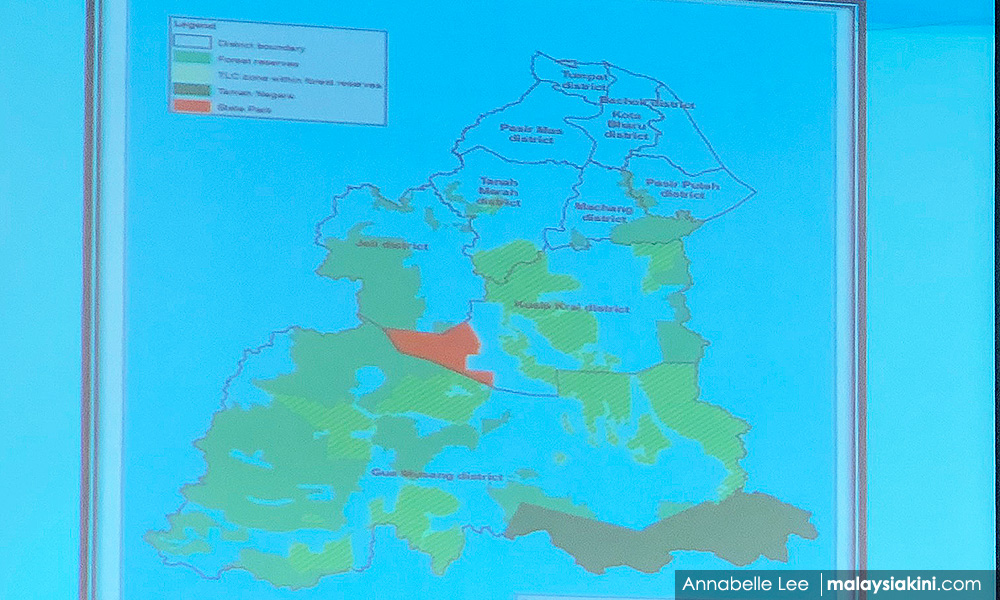
Meor presented the media with maps and lists of concessionaires which showed the extent of such plantations in permanent forest reserves in Kelantan (below), Kedah, Perak, Pahang and Terengganu. The concessionaires included firms linked to state governments.
Land matters are under the jurisdiction of state governments.
Meor further criticised this practice of converting permanent forest reserves into plantations while still maintaining a veneer of the former.
“Although its status as a permanent forest reserve is maintained, the way the land is used has changed,” he noted.
Aside from Meor, representatives of four other NGOs were also present today - Greenpeace Malaysia campaigner Heng Kiah Chun, Kuasa president Hafizudin Nasarudin, Klimaaction Malaysia coordinator Illi Nadiah Dzulfakar and Grass Malaysia president Mohd Yusaimi Md Yusof.


Report this comment
Are you sure you want to delete this comment?
This action cannot be undone.