




Audit report: Poor management delays occupancy process of RTO units
The occupancy process of the People’s Housing Project (PPR) rent-to-own (RTO) scheme, which provides homes to squatters and the low-income group, was delayed for up to 40 months due to poor management.
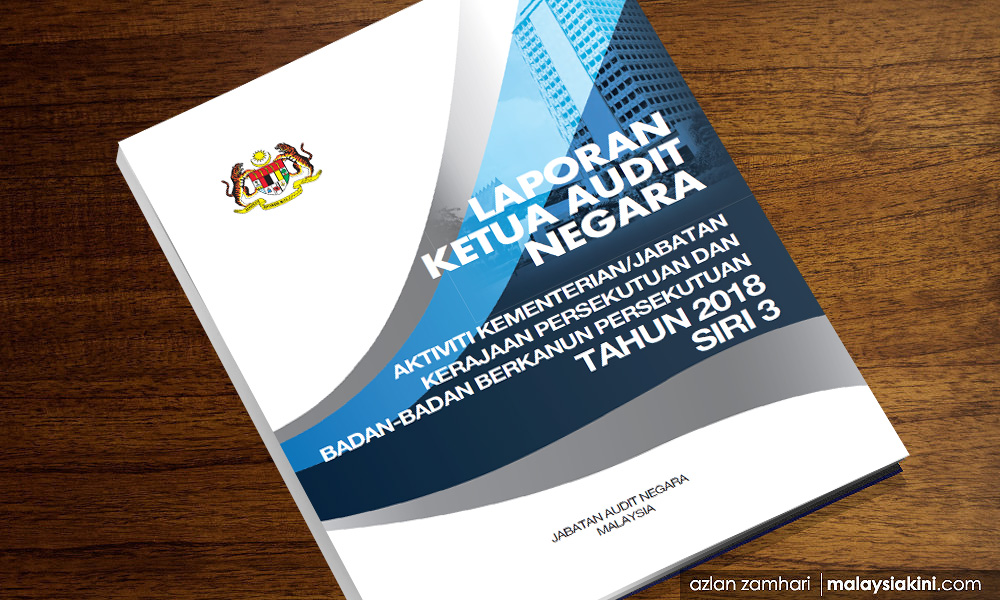
The Auditor-General's Report 2018 Series 3 stated that although the RTO projects were completed within the stipulated period, Housing and Local Government Ministry (KPKT) took up to 866 days to hand over the finished projects to the National Housing Department (JPN) for tenants to occupy.
The occupancy process of the People’s Housing Project (PPR) rent-to-own (RTO) scheme, which provides homes to squatters and the low-income group, was delayed for up to 40 months due to poor management.
The Auditor-General's Report 2018 Series 3 stated that although the RTO projects were completed within the stipulated period, Housing and Local Government Ministry (KPKT) took up to 866 days to hand over the finished projects to the National Housing Department (JPN) for tenants to occupy.
The absence of standard operating procedures (SOPs) with regard to the handing-over process as well as delays in the selection of tenants also made matters worse, thus preventing the target groups from enjoying the benefits of the government’s programme.
“A customer satisfaction survey conducted by the Audit Department also found that tenants of the PPR units were not quite satisfied with their residences and facilities, especially involving building quality, the process of filing damage complaints as well as repairs for defects reported,” said the report, which was released today.
The findings were collected from the audit conducted on five RTOs from eight PPR projects in Taman Siliau Jaya, Port Dickson, Negeri Sembilan; Taman Danau, Ulu Bernam, Selangor; Gua Musang and Kota Bharu, Kelantan; as well as Tok Suboh, Bukit Tengah, Penang from August 2016 until December 2018.
Among other weaknesses detected in the management of the RTO programme included contract administration, work quality, building maintenance and collection management.
Hence, to overcome these weaknesses and avoid similar problems in other programmes, it recommended that KPKT, JPN and the Ministry of Finance establish a mechanism to ensure faster tenant selection and tenant list confirmation.
This would enable target groups to receive the benefits of the government’s projects as soon as the PPRs were completed, it added.
KPKT was also urged to monitor contract administration to ensure the implementation complied with each clause and followed the stipulated rules.
The report also called on JPN to establish a systematic and effective mechanism to monitor the process for collecting deposits, revenues and arrears that are carried out by management agents through comprehensive record maintenance or collection system.
The ministry should also conduct close supervision on work specifications and building designs of project sites to avoid less desirable work quality, it added.
- Bernama




Are you sure you want to delete this comment?
This action cannot be undone.