



Chose pragmatism over populism - Zafrul defends Goldman settlement
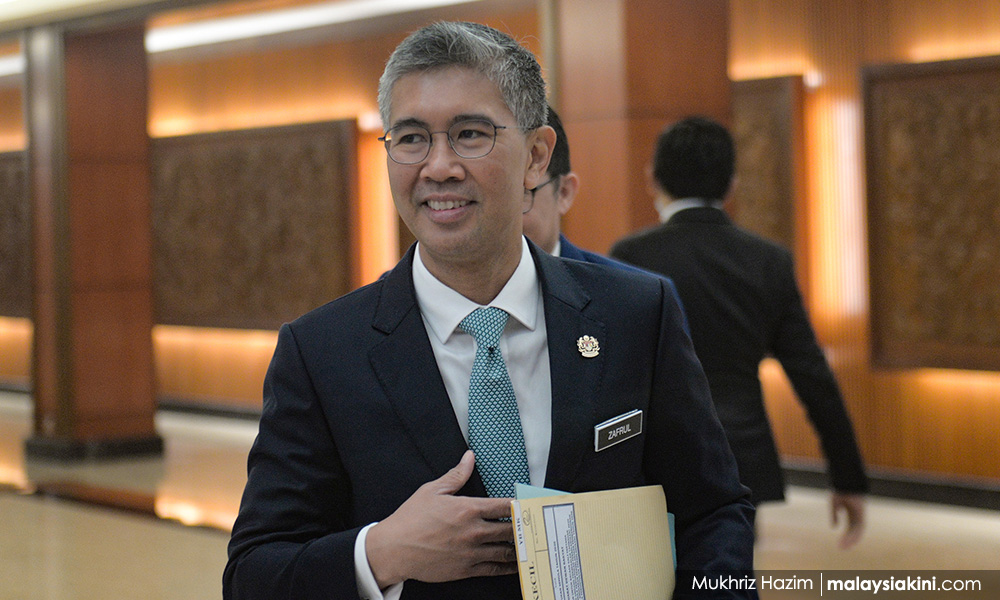
Finance Minister Tengku Zafrul Abdul Aziz has defended the Perikatan Nasional government's US$3.9 billion settlement with Goldman Sachs over the bank's role in the theft of 1MDB funds, stressing that he had chosen the pragmatic and responsible path in resolving the matter.
A key criticism if the settlement is the fact that Goldman Sachs will only need to pay US$2.5 billion in cash while the remaining is US$1.4 billion guarantee on the recovery of assets acquired using stolen 1MDB funds, which is largely being conducted by the US Department of Justice (DOJ).
In an interview with The Edge, Zafrul (above) said Goldman Sachs' guarantee was not illusory as it would protect Malaysia from valuation risk on...
Finance Minister Tengku Zafrul Abdul Aziz has defended the Perikatan Nasional government's US$3.9 billion settlement with Goldman Sachs over the bank's role in the theft of 1MDB funds, stressing that he had chosen the pragmatic and responsible path in resolving the matter.
A key criticism if the settlement is the fact that Goldman Sachs will only need to pay US$2.5 billion in cash while the remaining is US$1.4 billion guarantee on the recovery of assets acquired using stolen 1MDB funds, which is largely being conducted by the US Department of Justice (DOJ).
In an interview with The Edge, Zafrul (above) said Goldman Sachs' guarantee was not illusory as it would protect Malaysia from valuation risk on the recovered assets.
"This is not an illusory guarantee. We have already seen that various assets that were seized had been sold well below their original purchase price.
"For example, the Bombardier jet had a value of US$35.37 million. It was forfeited and sold for US$137,615, of which Malaysia received only US$136,505.
"It is clear that despite the recovery efforts, Malaysia is exposed to a significant amount of valuation risk.
"This is particularly true for the seizure and sale of real estate as the market could shift quite dramatically. This guarantee transfers that risk to Goldman Sachs and ensures that any loss suffered by Malaysia will be reduced," he was quoted as saying in the interview.
How the guarantee works
Zafrul explained that under the guarantee, Goldman Sachs will assure that Malaysia receives a minimum net sum of US$1.4 billion from an agreed list of assets over a period of five years.

"In the event Malaysia does not receive a total net sum of at least US$1.4 billion from the recovery and sale of these assets, Goldman Sachs will pay for the shortfall.
"Goldman Sachs has further agreed that at the two-year mark, if Malaysia has not received a total of at least US$500 million, Goldman Sachs will make a US$250 million interim payment in commitment of this guarantee.
"This arrangement allows Malaysia to be certain that it will recover at least US$1.4 billion over the next five years, one way or another," he said.
Zafrul said to date, the US DOJ has already recovered US$621 million for Malaysia and of this, a sum of US$308 million was traceable to the 1MDB bonds arranged by Goldman Sachs.
"This guarantee of US$1.4 billion brings the amount to over US$1.7 billion. We will now also receive US$2.5 billion cash from Goldman Sachs, making up a total recovery value of over US$4.5 billion," he said.
Goldman Sachs was accused of being an enabler to the theft of 1MDB funds after it arranged three bonds totalling US$6.5 billion for 1MDB, a substantial sum of which was subsequently misappropriated.
Asked by the business publication on why the PN government did not stick with the previous Pakatan Harapan government's demand of US$7.5 billion from Goldman Sachs, Zafrul questioned if that had led to a resolution.
"Did the previous demands result in a concluded settlement? The criminal charges initiated by the former attorney-general against Goldman Sachs are for making untrue statements under Section 179 (c) of the Capital Markets and Services Act, 2007 (CMSA).
"There is no imprisonment provision against a corporation. The penalty would have been only a fine. The fine would not have been sufficient to cover the 1MDB losses suffered.
"On the other hand, the current Attorney-General Idrus Harun secured a settlement after intimating to Goldman Sachs of amended and new charges for fraud under Section 179 (a) and civil disgorgement claims under Section 199 CMSA. These entitled Malaysia to disgorge three times the fees (US$606 million x 3 = US$1.818 billion) earned by Goldman Sachs.
"These statutory claims are more robust and irrebuttable and resulted in the settlement. The US$2.5 billion cash payment is 42 percent more than the offer received before," Zafrul said.
'Rushed and premature settlement'
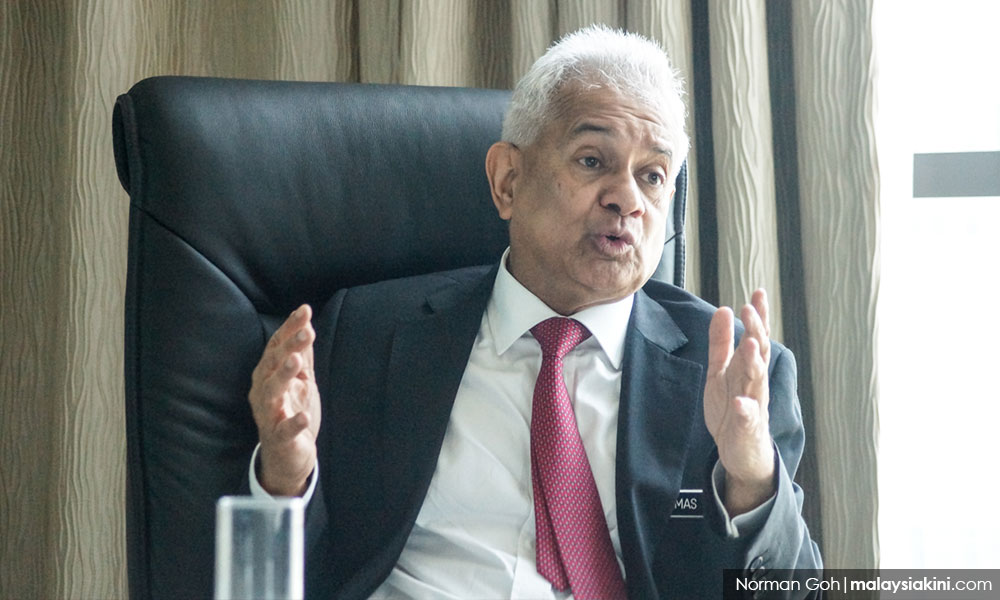
Former attorney-general Tommy Thomas (photo), in an immediate response, said compensation that a criminal court would order would be on the same basis that a civil court would order under the CMSA.

He called the settlement "rushed and premature", stating that the Malaysian government would have better bargaining power if it had negotiated while the criminal trials against Goldman Sachs were ongoing.
Zafrul, in the interview, maintained that the government was right in going for a settlement.
"The illusion of fighting for billions, indeed, seems more attractive. But there is a big difference between what a claiming party demands and what he will eventually receive.
"Ultimately, it depends on the courts, assessment of quantum, legal costs and a host of other factors. For these reasons, we have chosen to go with the settlement.
"Criticisms from certain individuals were very much expected, and there will always be detractors who will undermine whatever success we achieve.
"Instead of aiming to be popular, we choose to take a responsible and pragmatic approach for the good of the people of Malaysia. Compared to what was offered previously, it was a good deal, and more. It was an advantageous deal," he said.
Zafrul added that the government had considered the time the prosecution process would take, the uncertainty of outcome, the actual recovery of assets compared to the declared value and the difficulty in enforcing any civil claim in different foreign jurisdictions.




Report this comment
Are you sure you want to delete this comment?
This action cannot be undone.