



25 pct of SMEs will likely not survive another Covid-19 wave: Survey
A survey conducted by the Associated Chinese Chambers of Commerce and Industry of Malaysia (ACCCIM) has revealed that 25 percent of small and medium enterprises (SMEs) will likely cease operations if the country is hit with another wave of Covid-19.
The poll on Malaysia’s business and economic conditions showed that business for 78.2 percent of local enterprises surveyed had suffered badly during the first half of this year due to the economical impacts of the Covid-19 pandemic...
A survey conducted by the Associated Chinese Chambers of Commerce and Industry of Malaysia (ACCCIM) has revealed that 25 percent of small and medium enterprises (SMEs) will likely cease operations if the country is hit with another wave of Covid-19.
The poll on Malaysia’s business and economic conditions showed that business for 78.2 percent of local enterprises surveyed had suffered badly during the first half of this year due to the economical impacts of the Covid-19 pandemic.
ACCCIM Socioeconomic Research Centre executive director Lee Heng Guie said if another round of the movement control order (MCO) is implemented, 25 percent of SMEs and 9.8 percent of large corporations will struggle to "hang on".
“If there is a new wave which compels the government to reinstate the MCO, I think SMEs may or may not be able to absorb the impact of a second MCO.”
According to the survey, in the event of another MCO, 8.9 percent of micro-enterprises, 3.2 percent of small enterprises and 3.8 percent of medium enterprises were very likely to shut down.
The survey released this morning gathered responses from 828 companies, of which 93.8 percent of them are SMEs while the rest are large enterprises (6.2 percent).
Difficult for 24 pct of enterprises to survive
Despite facing the impact of Covid-19, the survey showed that 71.4 percent of respondents expect to pull through.
However, another 24.1 percent stated that it would be difficult for them to survive and it would depend on how long the impact of Covid-19 will last.
Some 4.5 percent of respondents said they were most likely to cease operations entirely.
According to the survey, 68.4 percent of respondents think that they need at least four to 12 months for their business to get back on track, while 21.1 percent believe they will need more than a year.
It also found that 49 percent of respondents expect a “U-shaped recovery” or slow recovery for the economy, while the other 39.4 percent expect an “L-shaped recovery” or in other words, no growth or weak growth in 2021.
'A glimpse of hope in 2021'

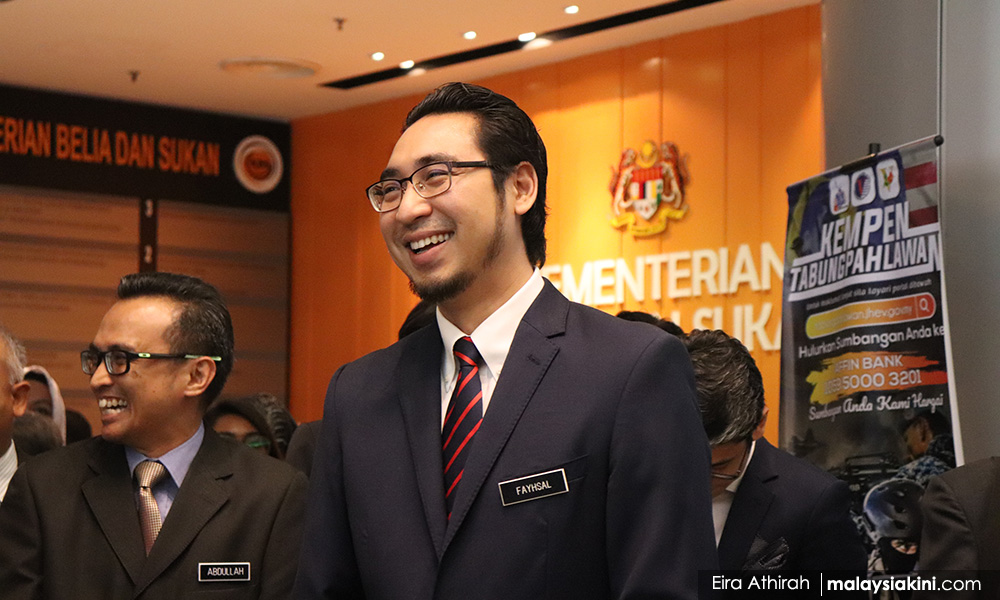
Lee (above, right) said that respondents were pessimistic towards this year’s economy and business prospects. However, he mentioned that they still had “a glimpse of hope” in next year’s situation.
On business conditions and prospects, 67.2 percent and 64.3 percent of respondents were pessimistic towards this year's first and second half respectively.
However, the survey also pointed out that although 67.7 percent of respondents were feeling pessimistic towards this year’s business prospects, only 23.1 percent continue to have a grim outlook for next year's business expectations.
When asked about next year’s economic prospects, 70.9 percent of respondents were optimistic while 24.5 percent of them were not.
Lee said respondents' judgement of the economic situation relied on the effectiveness of economic recovery packages, restoration of consumer and business confidence, containment of the virus worldwide, the availability of vaccines and the recovery pace of Malaysia’s major trading partners.
Govt urged to reduce corporate tax
Some 828 enterprises who answered the survey listed their “wishlist” for Budget 2021, including proposals on targeted fiscal spending on public infrastructure, reviving private investment as well as stimulating and sustaining consumer spending.
For reviving private investment, 83.9 percent of respondents requested the government to reduce corporate tax to 22 percent for large companies and 15 percent for SMEs.
Lee pointed out that Malaysia’s corporate tax rate of 24 percent is higher compared to Singapore (17 percent), Thailand (20 percent) and Vietnam (20 percent).
He said with shaky US-China ties, reducing corporate tax will help Malaysia attract foreign investors.
“With the escalating tension between the US and China, foreign companies are searching for a safe place to re-shore their manufacturing plants and services hubs.
“Malaysia may be losing such opportunities to neighbouring countries given the uncompetitive corporate tax rate,” Lee added.
On the other hand, 72.6 percent of respondents proposed a tax holiday for those with a taxable income of below RM100,000 per annum for next year.
The survey stated that although this may cost the government about RM5 billion in direct tax revenue, the government can partially recoup the lower revenue from indirect tax revenue.
Besides that, 64.8 percent of the respondents proposed the government to expedite the RM4 billion small-scale projects as announced in the economic stimulus package.
Enterprises hope to extend loan payment deferment
Lee described the Prihatin Economic Package as a timely assistance to help lift the burden faced by enterprises.

The most popular measures were the wage subsidy programme for employers (71.8 percent), deferment on loan repayments (50.2 percent) and income tax deferment (44.1 percent).
Furthermore, 66.3 percent of respondents hoped that the government will consider extending the payment deferment on SME loans for an additional three to six months.
On March 25, Prime Minister Muhyiddin Yassin announced a six-month loan moratorium to ease the burden faced by SMEs as well as individuals.
On July 29, Muhyiddin further announced that loan reliefs the government had negotiated with banks will shift to a targeted approach when the blanket loan moratorium expires on Sept 30.




Report this comment
Are you sure you want to delete this comment?
This action cannot be undone.