



NGO: A year after West Papua uprising - 61 deaths and no progress
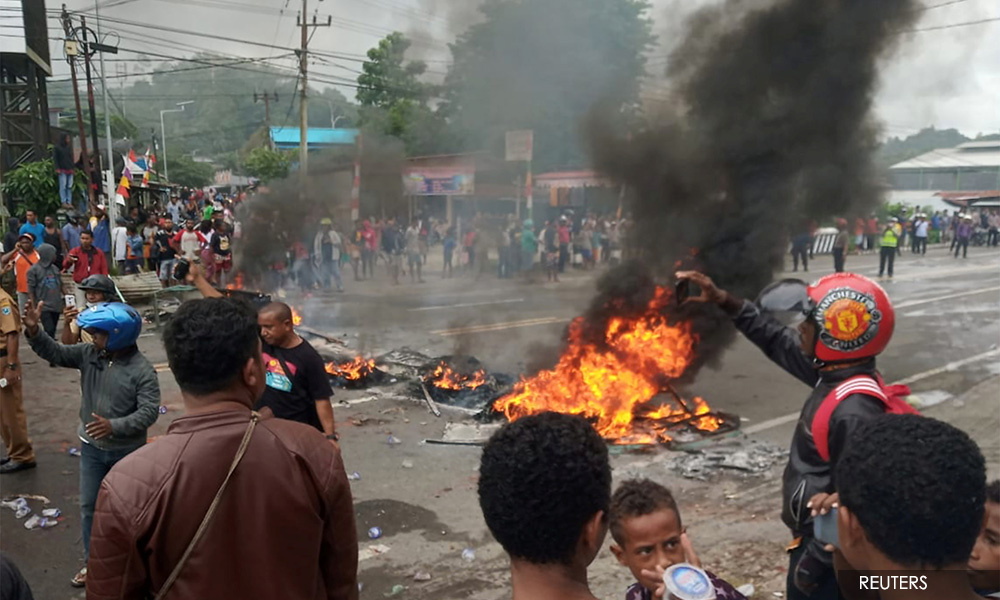
Human rights NGO Tapol reported that a year after the West Papua Uprising swept across 22 towns in the Indonesian province of West Papua and 17 cities in other parts of Indonesia from Aug 19 to Sept 30, 2019, a total of 61 people lost their lives but that the province is no closer to self-government.
"The trigger of the Uprising was the racist persecution of West Papuan students in the Indonesian cities of Malang on Aug 15, in Surabaya on Aug 16 and 17, and in Semarang on Aug 18, 2019.
"The most significant of these incidents were, however, the incidents in Surabaya, where Indonesian soldiers shouted ‘monkey’ repeatedly at the students, a word which was later reclaimed by West Papuans who used it during protests," Tapol said...
Human rights NGO Tapol reported that a year after the West Papua Uprising swept across 22 towns in the Indonesian province of West Papua and 17 cities in other parts of Indonesia from Aug 19 to Sept 30, 2019, a total of 61 people lost their lives but that the province is no closer to self-government.
"The trigger of the Uprising was the racist persecution of West Papuan students in the Indonesian cities of Malang on Aug 15, in Surabaya on Aug 16 and 17, and in Semarang on Aug 18, 2019.
"The most significant of these incidents were, however, the incidents in Surabaya, where Indonesian soldiers shouted ‘monkey’ repeatedly at the students, a word which was later reclaimed by West Papuans who used it during protests.
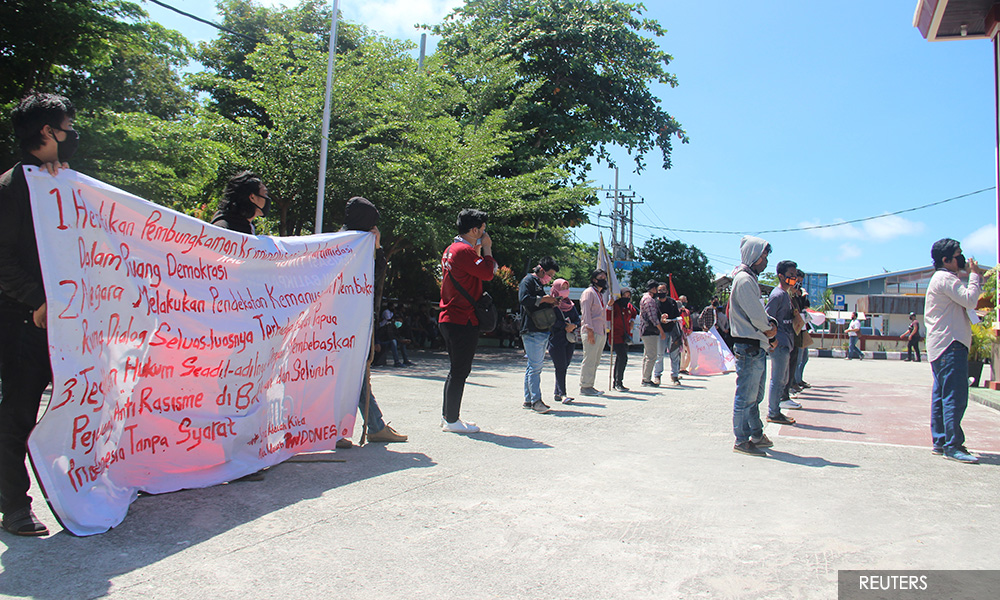
"Indeed, the focus of the Uprising later in West Papua was largely concerned with condemning racism and prosecuting the racist perpetrators in Java, but also holding an independence referendum," Tapol said in a statement.
Papua and West Papua provinces, the resource-rich western part of the island of New Guinea, were formerly a Dutch colony that was incorporated into Indonesia after a widely criticised 1969 referendum backed by the United Nations.
Opponents of Indonesia's rule over West Papua claim that the referendum was conducted in an atmosphere of intimidation, with just over 1,000 tribal chiefs selected and instructed to vote for West Papua to join Indonesia.
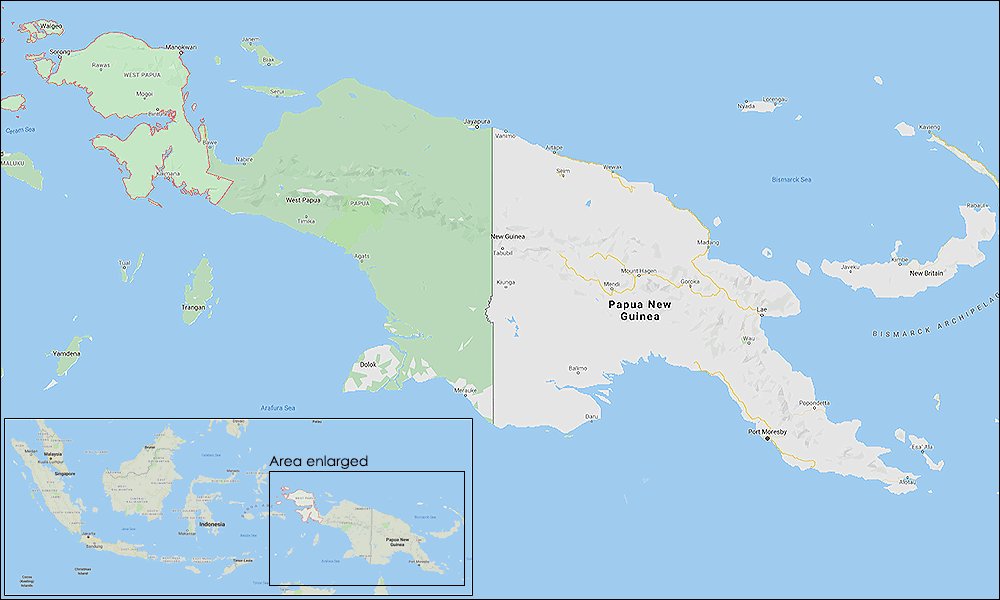
They say that modern-day West Papua has become a colony for Indonesia to exploit and have called for a fresh referendum.
Tapol said that at least 6,500 additional police and military personnel were deployed by Jakarta to crush protests and that the civilian death toll reached 61 people, of whom 35 were indigenous West Papuans.
"Of those 35 people who died, 30 had sustained bullet wounds, suggesting that they were killed by the Indonesian security forces. Five other deaths were from stab wounds inflicted by civil militias.
"Furthermore, at least 287 civilians were known to be injured as a result of violence during the Uprising," said Tapol adding that the actual number would be significantly higher because many West Papuans were deterred from going to hospital to seek treatment, due to security forces’ tactics of surrounding hospitals after each incident.
Activists also released photographs of burning villages and claimed the Indonesian military was pursuing a scorched-earth policy and terrorising the local population.
It said that at least 22,800 civilians were displaced during the period of the Uprising, while round 6,000 West Papuan students in Java and elsewhere returned to their homeland.
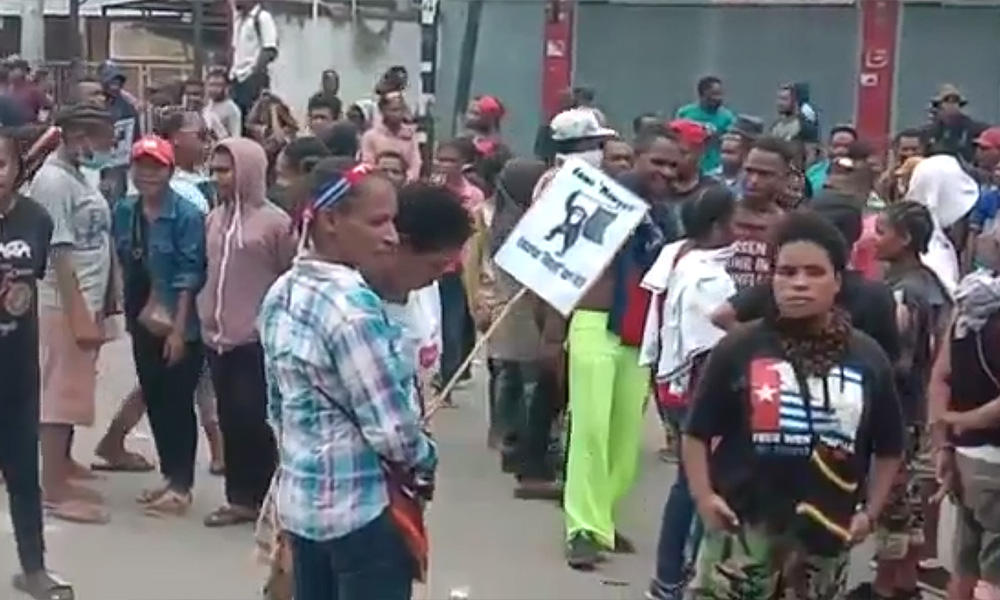
Tapol also cited 13 incidents of press freedom suppression, including a province-wide internet shutdown, and 23 cases of attacks against human rights defenders.
"The internet shutdown was ruled as unlawful by the state administrative court in Jakarta in June 2020.
"A total of 1,013 arrests... 133 (of them) political prisoners took place during this period. Of those cases, 22 were charged with treason. Their sentences ranged from six months to 10 years.
"In comparison, five soldiers who racially abused the West Papuan students in Surabaya were only temporarily suspended. Only one of them was ever tried in a military court. Sergeant Two Unang Rohana was found guilty of disobeying orders, not hate speech, and was sentenced to two months’ probation, meaning he did not go to jail," Tapol said.
"Today, a year later, 11 political prisoners from the Uprising remain behind bars," the NGO added, also drawing attention to the Indonesian government's pursuit of action against human rights lawyer Veronica Koman, who helped break the story of atrocities being carried out in West Papua.
During the Uprising, UN Human Rights Commissioner Michele Bachelet had urged Indonesian authorities to engage in dialogue with West Papuans about their aspirations, saying she had been disturbed by reports of escalating violence.
Thousands of Papua New Guineans also marched through its capital, Port Moresby, in solidarity with their West Papuan neighbours, with whom they shared the resource-rich island.


Report this comment
Are you sure you want to delete this comment?
This action cannot be undone.