


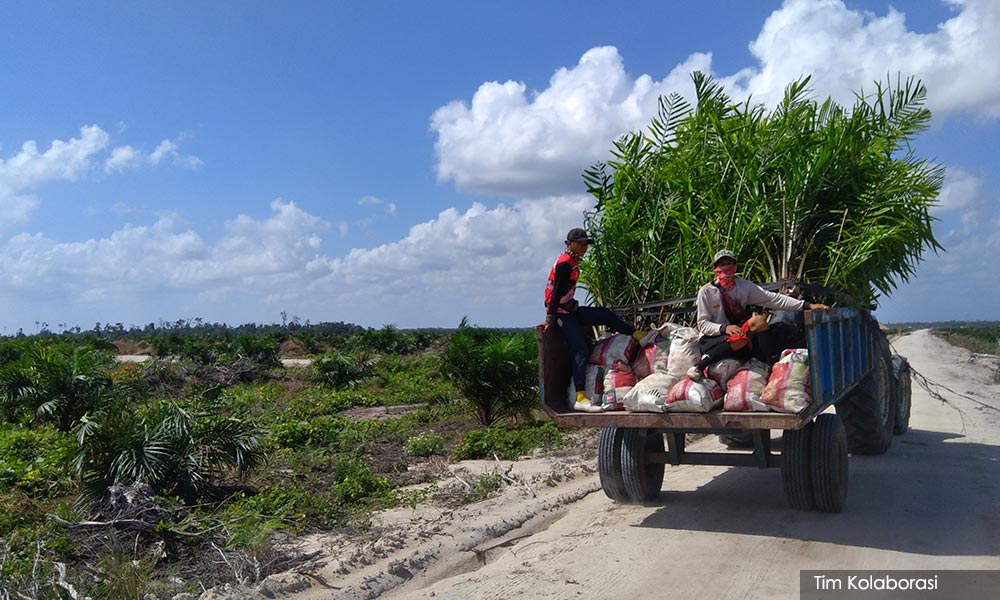

IOI says fire at its Kalimantan concession due to 'negligent' locals
Conglomerate IOI Corporation Berhad has denied a fire that broke out at one of its oil palm concessions in Kalimantan last year had anything to do with planting activities there.
It said IOI and its subsidiaries have a strict "zero-burning policy" for new plantings and land preparation and even lent its heavy machinery to local communities for their own land clearing and farming activities.
Instead, the company blamed the fire on a prolonged drought, and negligence by visitors at Sungai Berais – a river that cuts the concession land into two parts and is classified as an area of high conservation value.
“The area got affected by fire due to negligence of those who access the area for hunting, fishing and other activities. The fire incident happened due to the spread of fire from the HCV Management Area (HCVMA), which is located alongside Sungai Berais...
Conglomerate IOI Corporation Berhad has denied a fire that broke out at one of its oil palm concessions in Kalimantan last year had anything to do with planting activities there.
It said IOI and its subsidiaries have a strict "zero-burning policy" for new plantings and land preparation, and even lent its heavy machinery to local communities for their own land clearing and farming activities.
Instead, the company blamed the fire on a prolonged drought, and negligence by visitors at Sungai Berais – a river that cuts the concession land into two parts and is classified as an area of high conservation value (HCV).
“The area got affected by fire due to negligence of those who accessed the area for hunting, fishing and other activities. The fire incident happened due to the spread of fire from the HCV Management Area, which is located alongside Sungai Berais.
“HCV areas are protected and therefore there aren’t any roads built to access them. This becomes a challenge when fire incidents happen and water can’t be easily transported to the area,” IOI said.
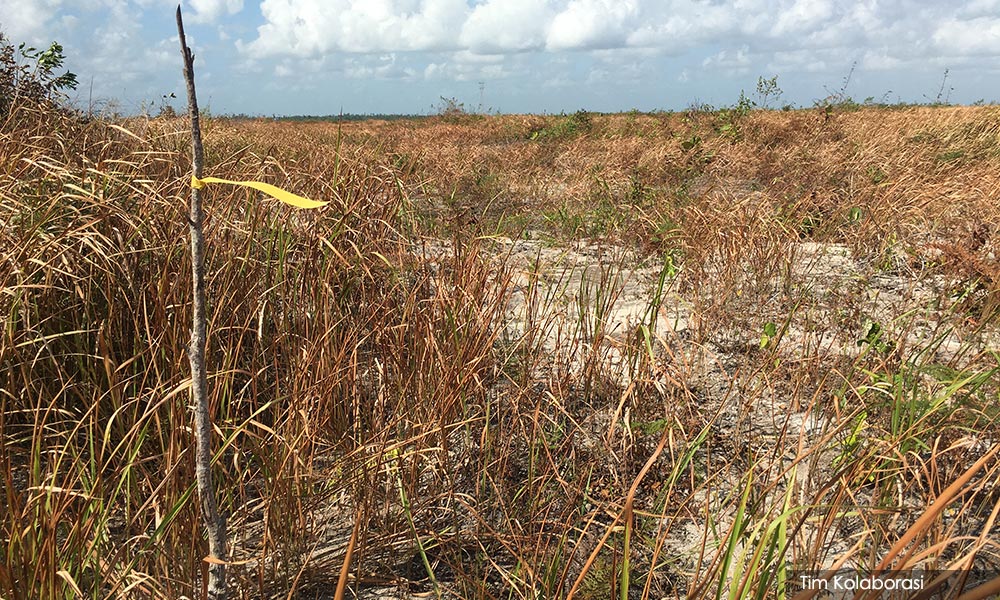
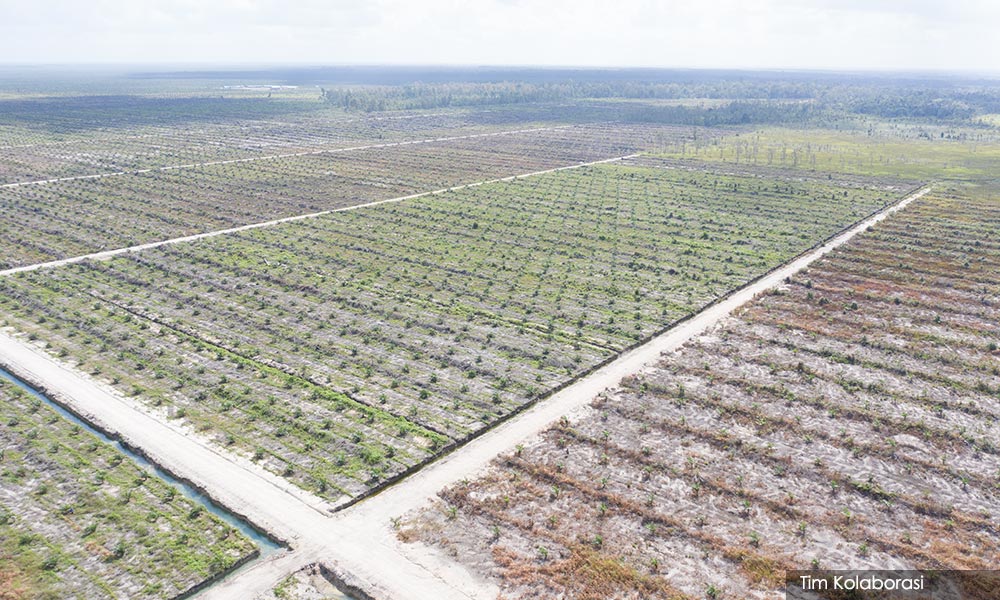
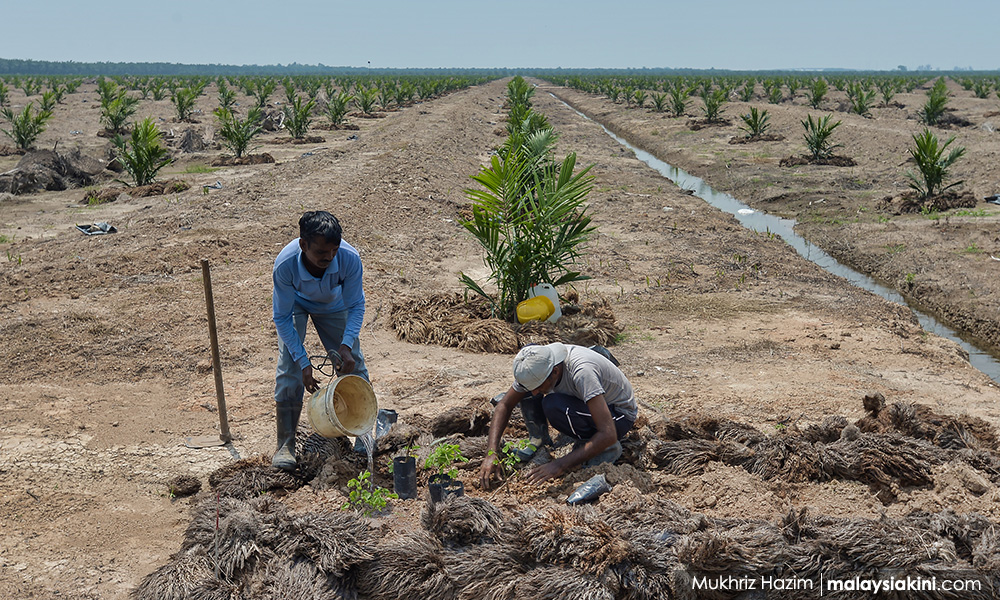
IOI was responding to findings by Malaysiakini and other partners that around the time a fire broke out at the Sungai Berais’ east bank in September last year, IOI’s subsidiary, PT Kalimantan Prima Agro Mandiri (KPAM), was clearing land for new planting blocks nearby.
The land is located at the Manis Mata district, near the southern tip of West Kalimantan, Indonesia.
At the time, numerous fires broke out in many parts of Indonesia, causing dense haze in several countries in the region, including Malaysia.
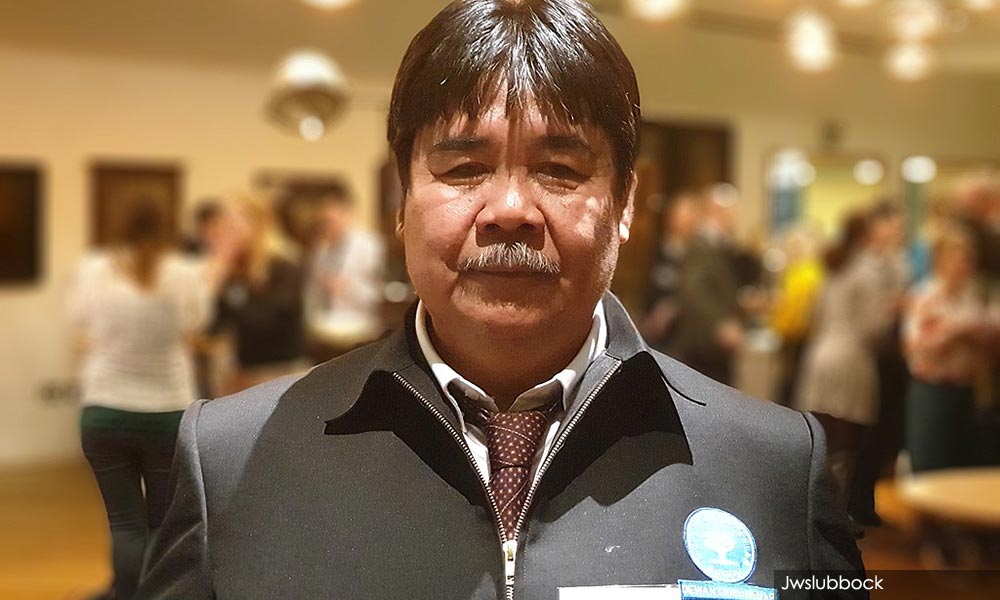
Wildfire forensics expert Bambang Hero Saharjo (above) had told the collaboration between Malaysiakini and its partners in Indonesia that hotspot analysis is one of many tools that can be used as evidence to prove the source of a fire, especially when the hotspot first appeared within the boundaries of a concession.
“Usually, when a hotspot appears in conjunction with land clearing activities by industry, this is irrefutable evidence,” Bambang said.
However, IOI said there was no scientific evidence to link land clearing for new plantings with the occurrence of fire or exacerbating the fire.
In addition, it said its land clearing and planting activities were conducted in accordance with annual development plans that had been approved by local authorities and the Roundtable for Sustainable Palm Oil.
This also meant that areas classified as HCV are left undisturbed.
Each time a hotspot is detected, IOI said KPAM’s fire brigades would immediately be mobilised to extinguish it and set up fire breakers to stop its spread.
It also works with surrounding communities to patrol the area and help with its fire-fighting activities last year.
It added that KPAM has been developing the land since 2018, but the 2019 fire had put those plans on hold in some areas and did not resume until it obtained approval from relevant authorities this year.
“IOI strictly disallows burning in its concessions. KPAM, without any delay, undertook all the necessary rehabilitation work in the fire-affected areas, which still continues.
“A comprehensive fire preparedness programme has been put in place for this year to reduce fire risks to a minimum. It is based on prioritisation of the high-risk areas and establishment of area-specific mitigation plans, as well as upgrading firefighting equipment, facilities and competencies of firefighting teams.
“KPAM is using satellite monitoring systems, drones and other new technology for early detection of hot spots, in addition to regular joint patrols and firefighting drills by KPAM, communities and local authorities,” IOI added.
Read more: Fire at IOI’s Indonesia concession amid 2019 haze linked to new planting
Tomorrow: In Indonesia, nabbing haze culprits is like catching smoke
This report is part of a joint effort between Malaysiakini and its partners in Indonesia - Tempo, Betahita, Mongabay, and environmental NGO Auriga Nusantara - with support from the Pulitzer Centre through the Rainforest Journalism Fund. Contributors are:
Person-in-charge: Wahyu Dhyatmika (Tempo)
Project leader: Agoeng Wijaya (Tempo)
Contributors: Agoeng Wijaya, Agung Sedayu, Ibrahim Arsyad, Aseanty Widaningsih Pahlevi, Aisha Shaidra (Tempo); Kennial Laia (Betahita); Lusia Arumingtyas, Budi Baskoro (Mongabay); Aidila Razak, Koh Jun Lin (Malaysiakini)
Multimedia team: Krisna Adhi Pradipta, Harfin Naqsyabandy, Harry Amijaya (Tempo)
Data analysis: Dedi Pratama Sukmara, Yustinus Seno, Sesil Maharani, Hafid Azi Darma (Auriga Nusantara); Agoeng Wijaya (Tempo); Koh Jun Lin, Lee Long Hui (Malaysiakini)


Are you sure you want to delete this comment?
This action cannot be undone.