




Asean fails haze-prevention test
The recurrence of haze caused by transboundary smoke is clear indication of the failure of the Asean action plan to reduce the environmental hazard, claimed a Kuching-based university academic.
The recurrence of haze caused by transboundary smoke is clear indication of the failure of the Asean action plan to reduce the environmental hazard, claimed a Kuching-based university academic.
"Since 1997, the Indonesian and Malaysian governments have been feeding fodder to the media to divert attention from the real issues, and (attempting to) show they are doing something when actually they are not," said Dr Andrew Aeria.
"Basically, it is to provide opportunities to plantation companies and politicians to exploit the situation and reap higher profits."
The current episode of haze has reached unhealthy levels in parts of Malaysia, especially Sarawak.
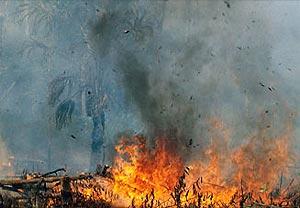 The latest Singapore-based satellite weather reports show a predominance of hotspots in west and south Borneo, especially in Kalimantan (Indonesia) and on the northern coast of the island shared by Indonesia, Brunei and Malaysia.
The Singapore Meteorological Services expects drier weather to persist for the next three months. Hotspot activity is likely to result in periodic spells of moderate to thick haze in Sumatra and Borneo, carried to neighbouring countries by south-easterly to south-westerly winds.
In Sarawak, the Air Pollutant Index yesterday recorded an 'unhealthy' level in several places, with Samaharan the worst affected at 121, followed by Kuching (117) and Bintulu (103).
Kuching-based accountant LP Voong said: "Like many others, I have little faith that the governments concerned will do anything serious about tackling the problem. (Any action) will more likely be the result of international pressure in relation to global warming.
"It has yet to be proven there is real political will to give meaning to talked-about environmental policies to deal with transboundary smoke haze in theAsean region."
He said the public must realise the need to keep the pressure on MPs to force the government to take action.


