


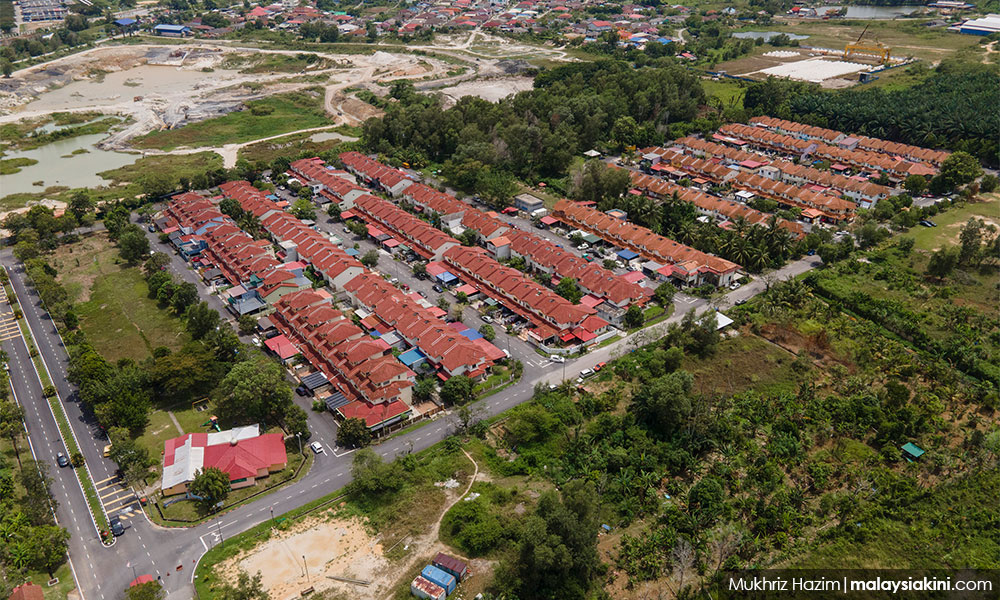

Property market remains soft in 2020
The property market remains soft this year despite the resumption of market activity under the recovery movement control order (MCO) and the proposed measures under the National Economic Recovery Plan (Penjana).
According to the National Property Information Centre (Napic), the property market’s performance recorded a sharp decline in the first half (1H) of 2020, in consonance with Malaysia's economic performance, which contracted by 17.1 percent in the second quarter (Q2) of 2020.
However, the country's gross domestic product (GDP) in Q3 decreased at a slower pace (2.7 percent) from the double-digit decline (17.1 percent) in Q2.
For 1H 2020, the property sector recorded 115,476 transactions worth RM46.94 billion, a decrease by 27.9 percent in volume and 31.5 percent in value compared with 1H 2019, which recorded 160,165 transactions worth RM68.53 billion...
The property market remains soft this year despite the resumption of market activity under the recovery movement control order (MCO) and the proposed measures under the National Economic Recovery Plan (Penjana).
According to the National Property Information Centre (Napic), the property market’s performance recorded a sharp decline in the first half (1H) of 2020, in consonance with Malaysia's economic performance, which contracted by 17.1 percent in the second quarter (Q2) of 2020.
However, the country's gross domestic product (GDP) in Q3 decreased at a slower pace (2.7 percent) from the double-digit decline (17.1 percent) in Q2.
For 1H 2020, the property sector recorded 115,476 transactions worth RM46.94 billion, a decrease by 27.9 percent in volume and 31.5 percent in value compared with 1H 2019, which recorded 160,165 transactions worth RM68.53 billion.
While in Q3 2020, Napic said the volume of transactions and yearly change recorded an improvement with 89,245 units from 83,085 units in Q3 2019 and with 7.4 percent from 5.5 percent in the same quarter last year.
This was led by the residential sub-sector, followed by agriculture, development land, commercial, and industrial.
Transaction value in total for Q3 2020, however, declined 2.4 percent from 4.6 percent year-on-year with RM33.78 billion from RM34.62 billion previously.
To encourage homeownership, the government has reintroduced the Home Ownership Campaign (HOC) under Penjana.
Under the HOC, stamp duty exemption would be given on the instruments of transfer and loan agreement for the purchase of residential homes priced between RM300,000 and RM2.5 million subject to the developer providing at least a 10 percent discount.
The exemption on the instrument of transfer is limited to the first RM1 million of the housing price while full stamp duty exemption is given on loan agreement effective for sale and purchase agreements inked between Jun 1, 2020 and May 31, 2021.
In short, this would allow a much lower payment or even no stamp duty at all for property purchases.
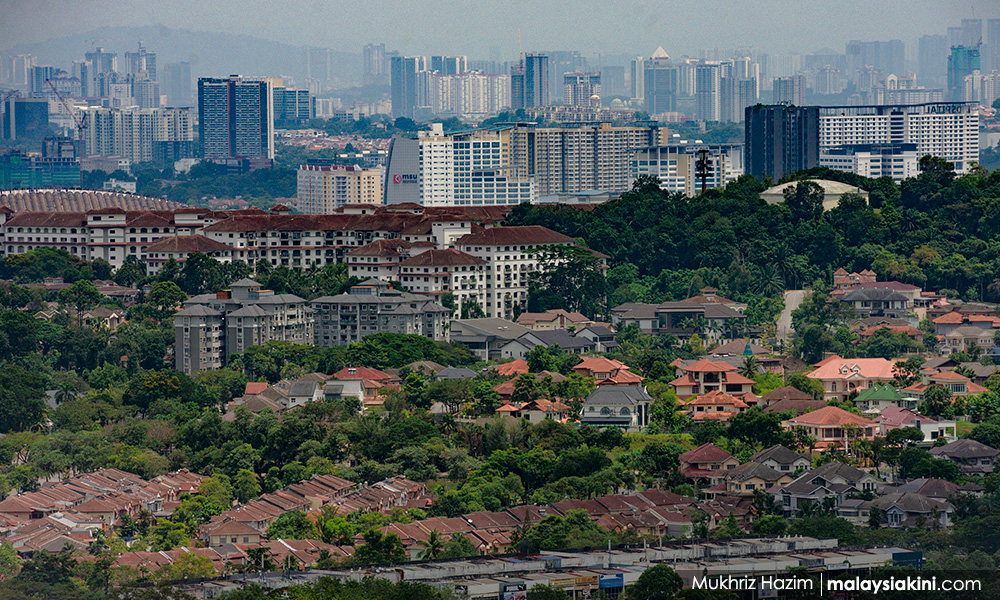
Backed by these efforts, the Real Estate and Housing Developers’ Association Malaysia (Rehda) is cautiously optimistic about the outlook for the property sector, and hopes for an improvement in 1H 2021, provided there are no new community transmissions of Covid-19 in the country.
On another note, the property market has experienced a correction in terms of pricing with more affordable housing launched in 1H 2020.
According to Napic director Aina Edayu Ahmad, half of the new launches in 1H 2020 comprised houses priced RM300,000 and below (6,657 units), while the RM300,001 to RM500,000 range of houses accounted for 28.9 percent (4,476 units) and houses priced over RM500,000 accounted for 21.1 percent (2,161 units).
In Q3 2020, Napic said new launches in the residential sub-sector recorded 6,087 units in volume, which include 2,960 units of high-rise properties and 3,127 units of landed properties.
Prices ranging below RM300,000 in Q3 2020 made up 50.5 percent (3,073 units), while the prices for the RM300,001 to RM500,000 range was 24.7 percent (1,505 units), and those above RM500,001 comprised 24.8 percent (1,509 units).
"So, we see that the market has done its own correction. In the past years, we have seen more new launches in the higher range but now we are seeing more new launches in the range of RM300,000 and below," said Aina during the 13th Malaysian Property Summit in October.
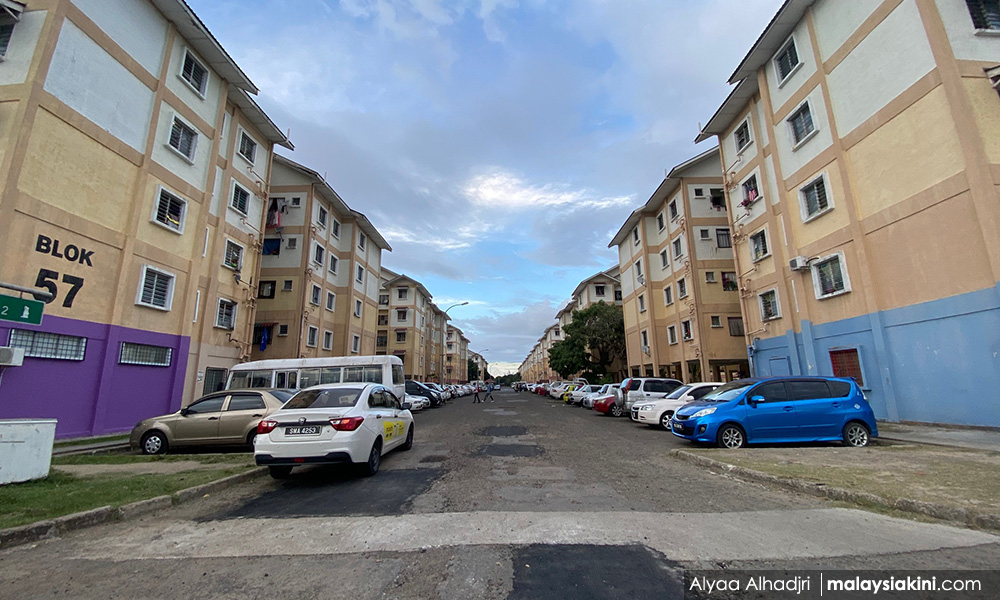
In terms of pricing, she said properties priced RM300,000 and below in the residential segment are still capturing most of the market demand, which is why property developers should focus on having more affordable houses in this price range.
Aside from this, as the property market is still dealing with the effects of the Covid-19 pandemic in Q3 2020, asking prices across Kuala Lumpur, Selangor, Penang, and Johor have moved in a downward trend, based on PropertyGuru Malaysia's Property Market Index.
The property site said overall asking prices for property in Malaysia dropped by 1.34 percent this quarter; in contrast to the 0.38 percent increase registered in Q2 2020 and 0.63 percent increase in Q1 2020.
On a different note, to resolve the issue of unsold completed residential units and ensure more organised property development in the country, the Housing and Local Government Ministry is developing the Housing Integrated Data System, which is expected to be ready next year.
Minister Zuraida Kamaruddin said the ministry has also proposed a “vacancy tax” to be introduced and imposed next year, on developers who fail to clear their outstanding residential stock.
She said based on Napic's record, a total of 31,661 houses worth RM20.03 billion were unsold in the first quarter of this year compared with 30,664 units amounting to RM18.82 billion in 2H 2019.
- Bernama



Report this comment
Are you sure you want to delete this comment?
This action cannot be undone.