


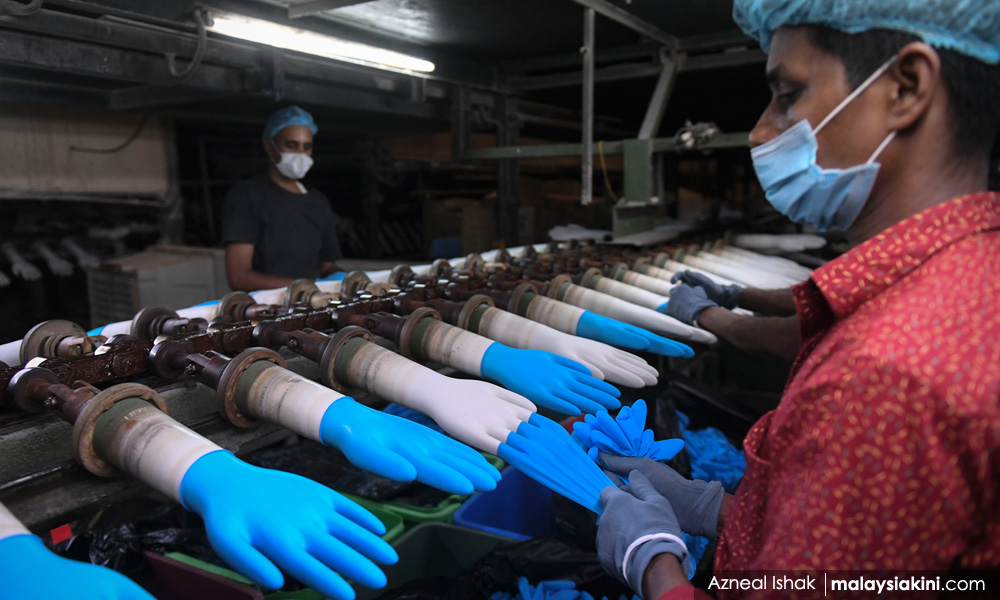

Global glove importers reconsider after raids reveal atrocious conditions
Government raids which uncovered atrocious conditions at foreign worker accommodations are leading key global glove importers to reconsider their relationship with a Malaysian glove manufacturer.
According to a report by Free Malaysia Today, Kimberly-Clark, the US giant behind brands like Kleenex and Huggies, said it was “evaluating the matter” when asked whether it would continue to source from the company...
Government raids which uncovered atrocious conditions at foreign worker accommodations are leading key global glove importers to reconsider their relationship with a Malaysian glove manufacturer.
According to a report by Free Malaysia Today, Kimberly-Clark, the US giant behind brands like Kleenex and Huggies, said it was “evaluating the matter” when asked whether it would continue to source from the company.
Similarly, Australian safety and personal protection firm Ansell, which supplies the UK’s National Health Service, said it was planning to meet the company’s managing director “as quickly as possible” to decide on the consequences of this “unacceptable situation”.
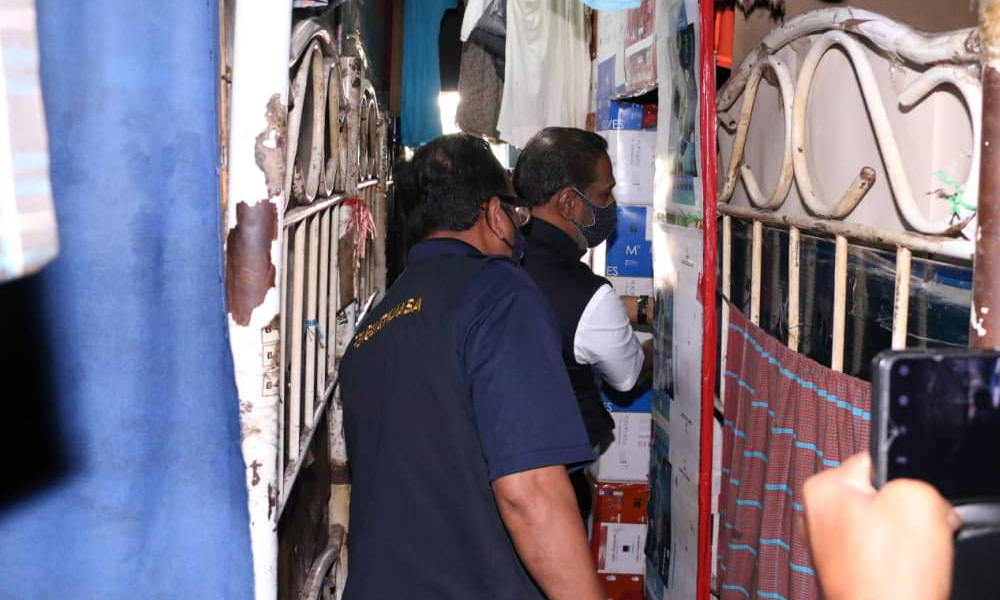
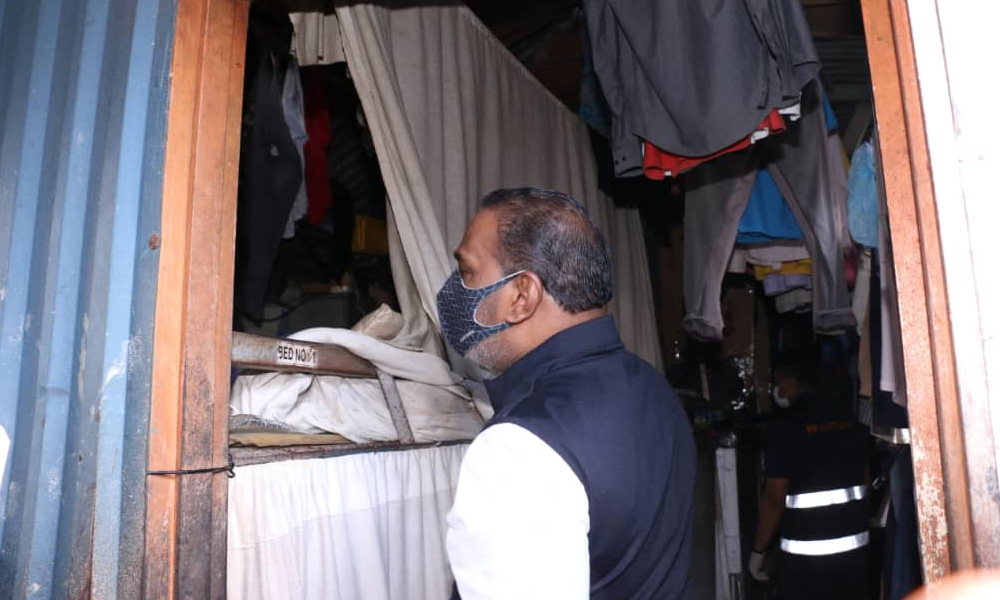
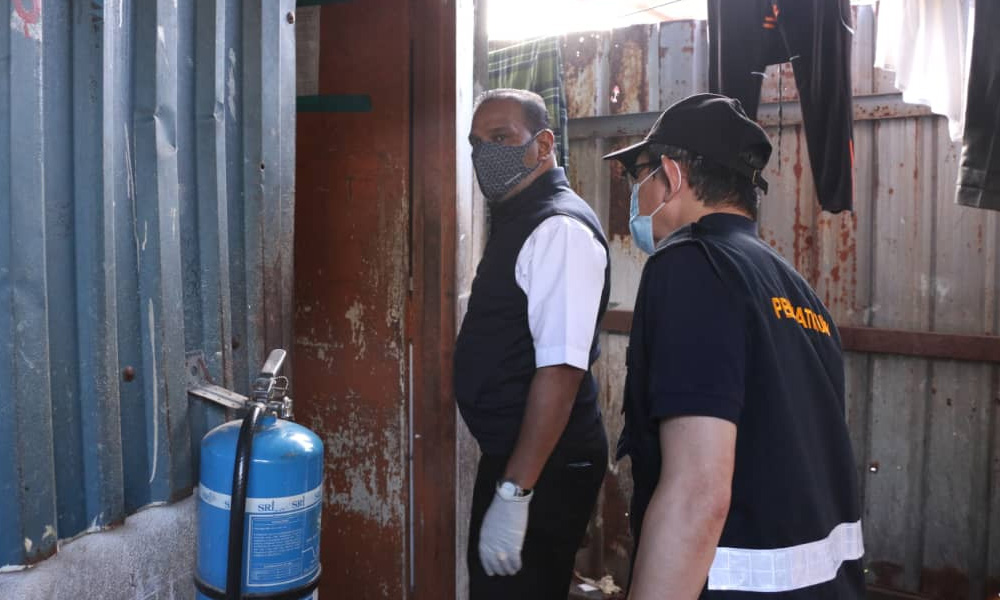
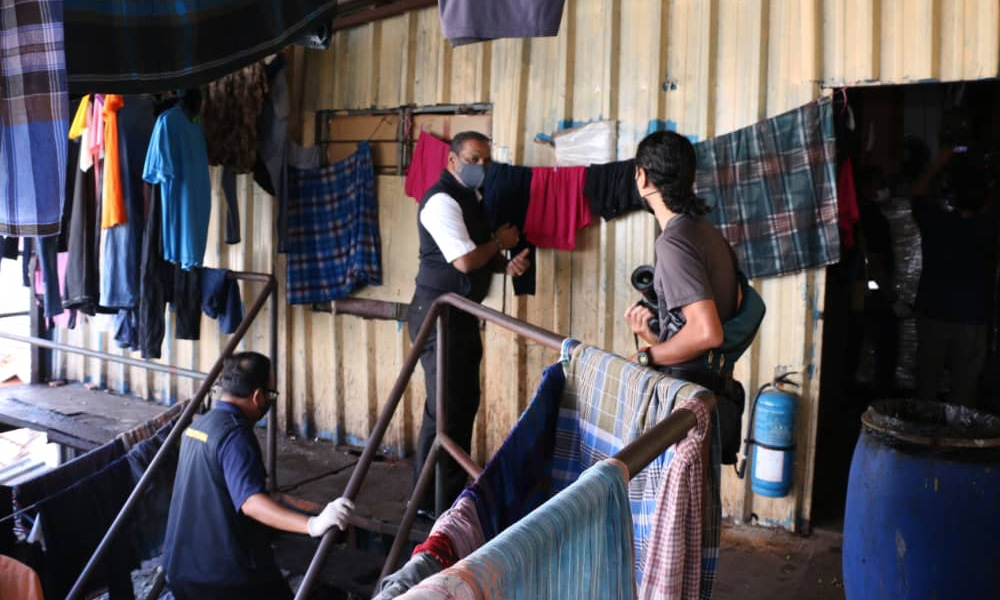
Last week, Human Resources Minister M Saravanan dismissed glovemaker Brightway Holding's denials after a raid at one of its subsidiaries in Kajang uncovered hundreds of workers living in squalid conditions, which he described as among the worst he had ever seen.
The raid found 781 workers living behind the factory in two blocks of shipping containers stacked three stories high.
“We were shocked to see such living conditions, which are absolutely unacceptable,” said an Ansell spokesperson.
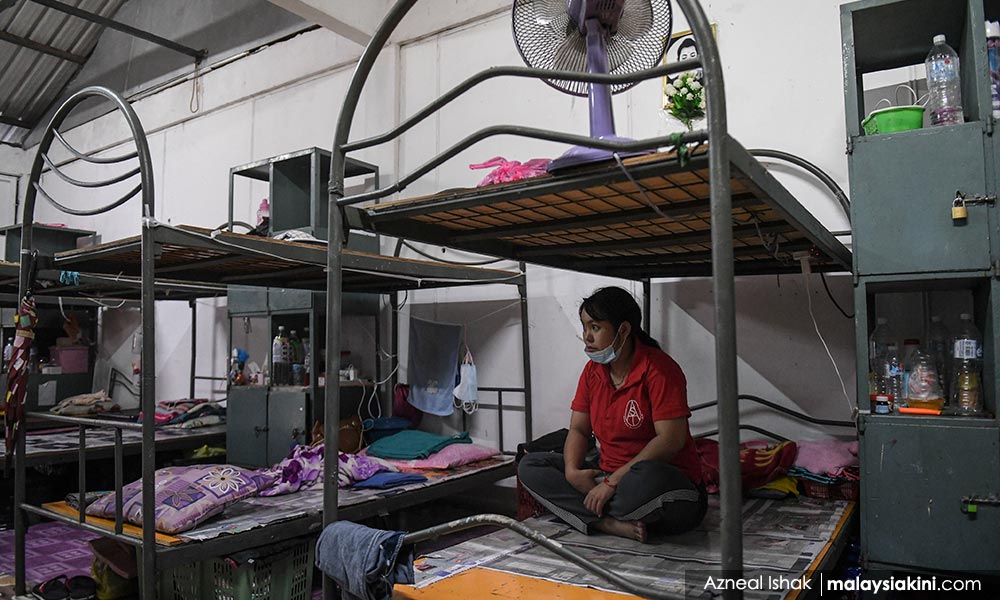
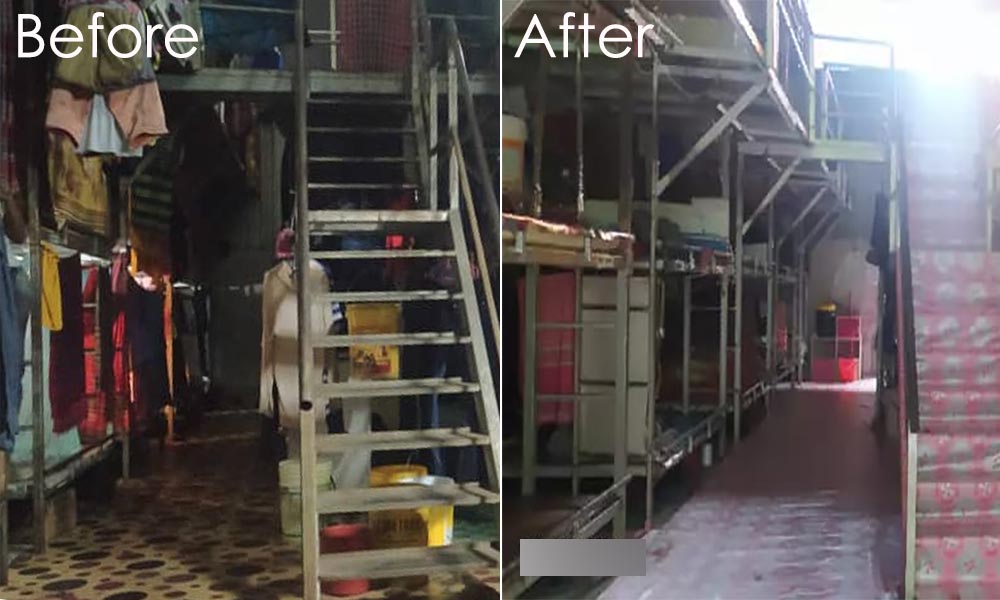
Ansell added that, based on the photos and video included in the media reports, "it is evident that the living conditions provided for some workers at the site are unacceptable and are a violation of Ansell’s ethical labour standards, human rights statement and supplier code of conduct”.
The company also said it had contacted other suppliers to determine alternatives and to ensure it continued to meet the increased global demand for personal protective equipment during the Covid-19 pandemic.
Ansell said a third-party audit ordered by the company in May 2019 did not reveal anything on the workers’ living conditions and that it was "absolutely" unaware on this issue. It added that it was investigating the matter.
Kimberly-Clark also expressed its concern over the situation and said it was committed to ensuring that its employees around the world - including those of its suppliers - were treated with respect, with workplace and human rights standards met at all times.
“We also know that through continued engagement, there is a greater chance of affecting positive outcomes in this regard," it added.
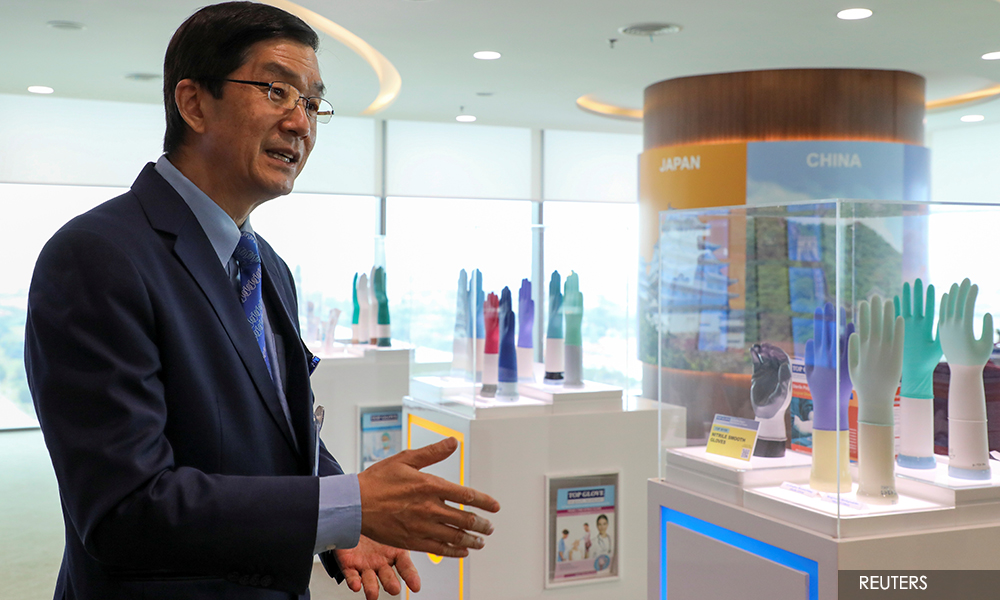
Ansell also sources from Top Glove, the world’s largest glove manufacturer, which has also come under the spotlight repeatedly.
This month, the Malaysian rubber glove manufacturer admitted to failing in the past to enforce the one-metre physical distancing rule among its factory staff but claimed to have since corrected the transgression.
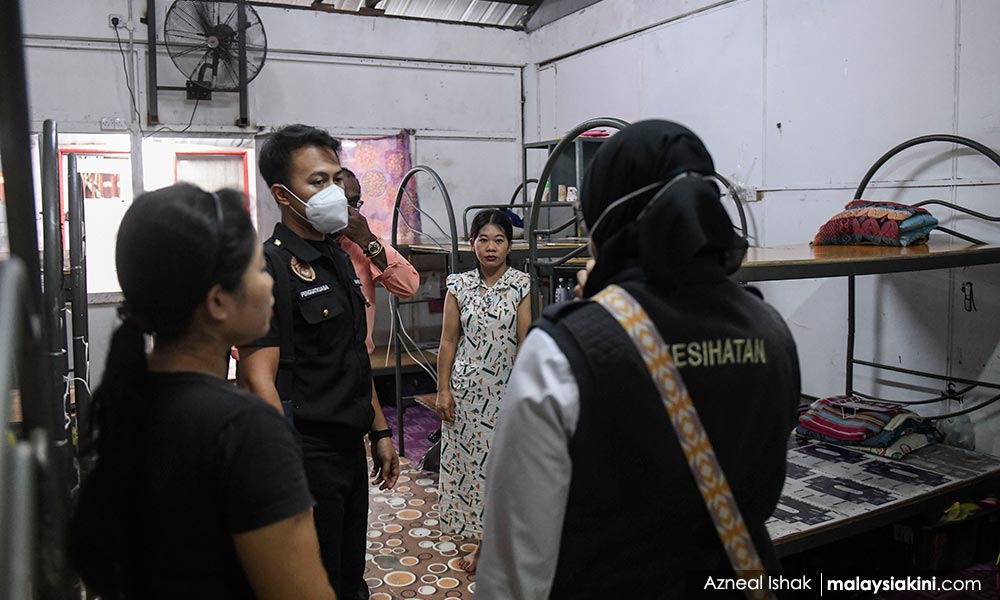
After the Labour Department opened 19 investigation papers into Top Glove for failing to comply with the Workers’ Minimum Standard of Housing and Amenities Act 1990, the billion-dollar listed company now vows to spend RM170 million to build new hostels for its 21,000 workers.
In July, two of Top Glove’s subsidiaries were placed on a list of restricted imports into the US by the US Customs and Border Protection due to alleged forced labour issues.
Meanwhile, another Malaysian glove maker, WRP Asia Pacific, was also given the same withhold release order on exports to the US in September 2019 after charges that its gloves were produced with forced labour, a ban which was later lifted in March.
The forced labour allegations involved the exorbitant recruitment fees that foreign workers had to pay to secure jobs at the companies.


Are you sure you want to delete this comment?
This action cannot be undone.