


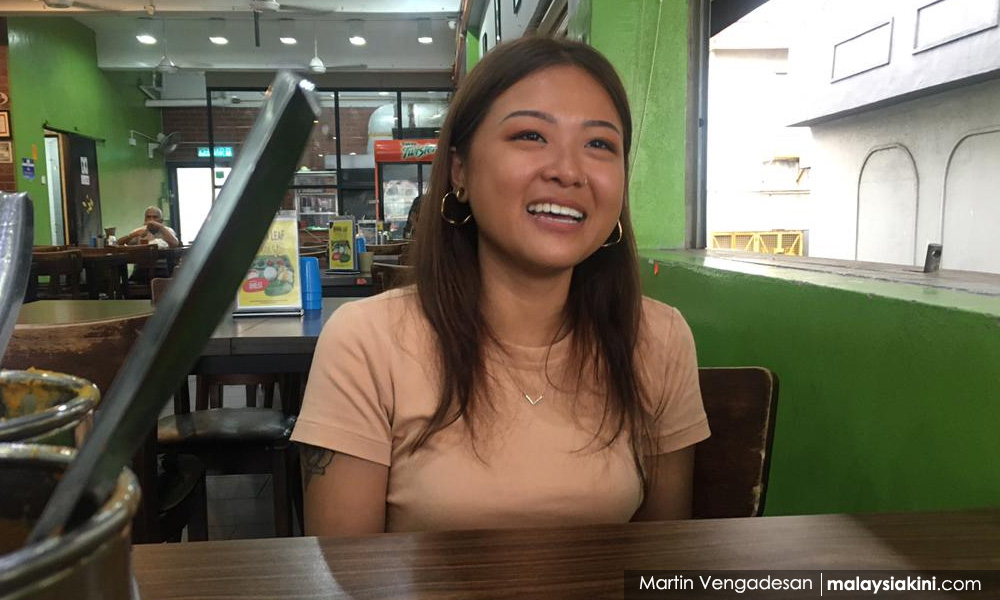

How Elise Arya Chen turned childhood abuse into advocacy for Myanmar refugees
MALAYSIANSKINI | One of the most shameful aspects of the Covid-19 situation and its movement control order (MCO) variants was that it exposed that xenophobia among Malaysians is more widespread than one would have originally thought.
Instead of respecting that many migrants had contributed to our national development and often braved trafficking and other harsh conditions, some Malaysians were downright hostile to their plight.
Elise Arya Chen is not one of those. Formerly with migrant workers' rights NGO Tenaganita, she serves as coordinator for the Coalition of Burma Ethnics, Malaysia (Cobem), a grouping of eight refugee community-based organisations formed in 2007.
The eight members of Cobem are those from the Arakan, Chin (two groups), Kachin, Karen (two groups), Mon, and Shan ethnic groups. Cobem was formed to improve coordination and communication among the refugee community-based organs as well as with UNHCR and other NGOs working with them.
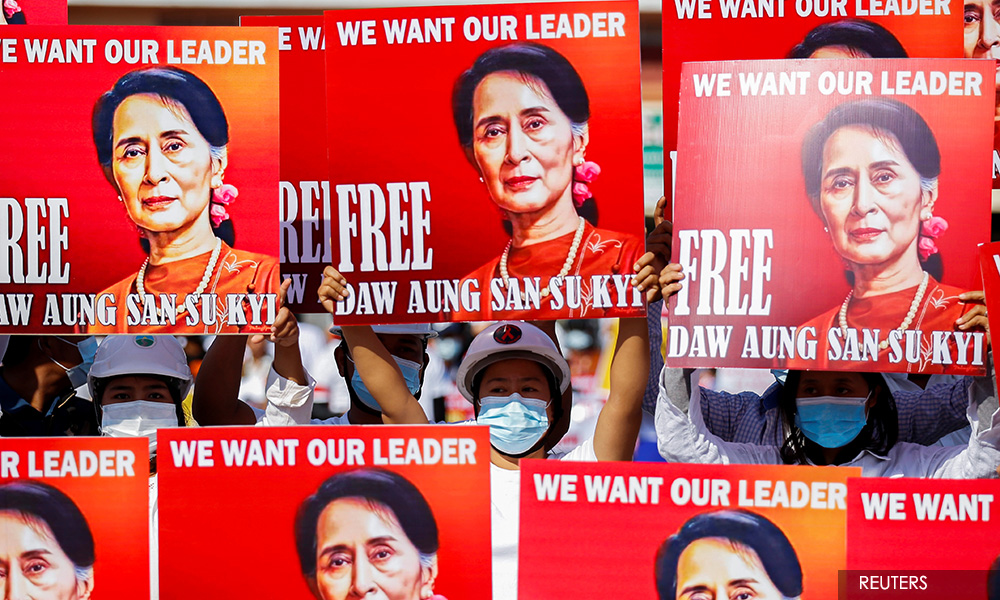
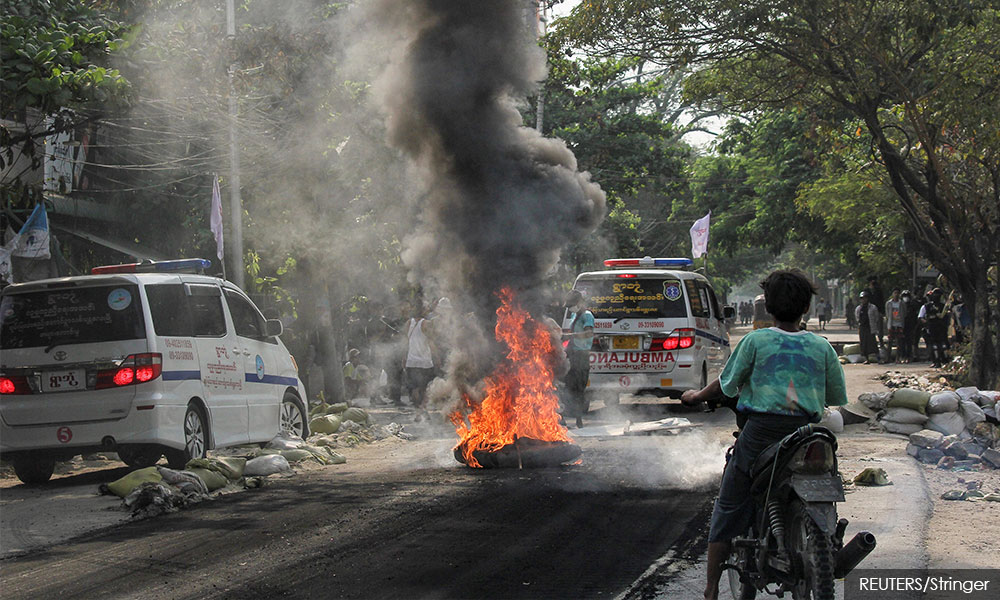
The dynamics have shifted following Myanmar’s military coup on Feb 17 which overthrew the democratically elected government of Aung San Suu Kyi’s National League of Democracy party. Young people are willing to risk their lives than watch their beloved country slide back into dictatorship after the military ruled for 59 years.
The military massacres led to renewed calls for an armed struggle, and it’s important to note that this is all in addition to the pre-existing ethnic tensions within the country – of which the Rohingya situation in Rakhine state is only one.
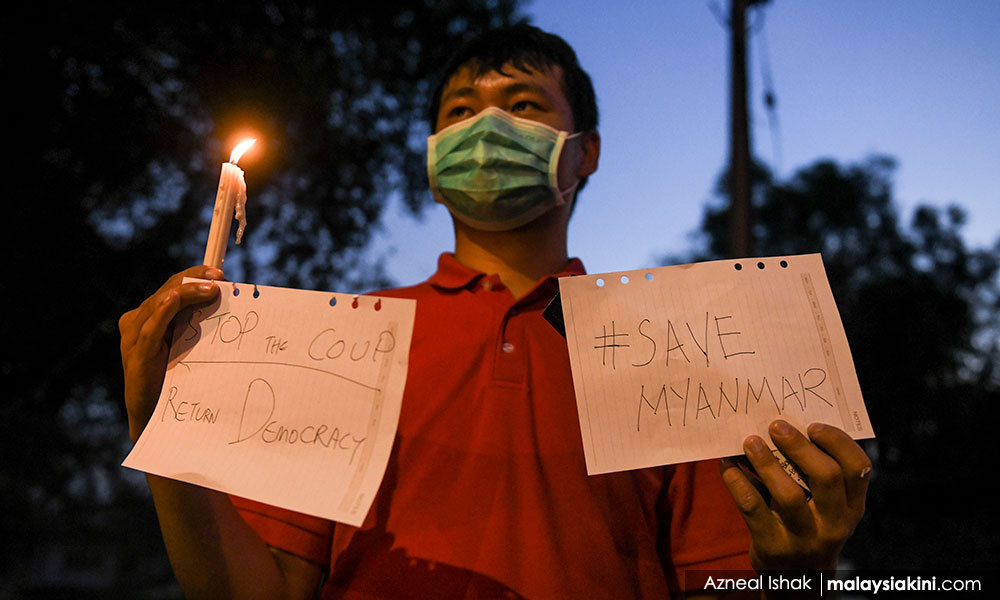
This reporter met Chen at a candlelight vigil outside the Myanmar embassy on March 10 in solidarity with the suffering of the people in the country...
MALAYSIANSKINI | One of the most shameful aspects of the Covid-19 situation and its movement control order (MCO) variants was that it exposed that xenophobia among Malaysians is more widespread than one would have originally thought.
Instead of respecting that many migrants had contributed to our national development and often braved trafficking and other harsh conditions, some Malaysians were downright hostile to their plight.
Elise Arya Chen is not one of those. Formerly with migrant workers' rights NGO Tenaganita, she serves as coordinator for the Coalition of Burma Ethnics, Malaysia (Cobem), a grouping of eight refugee community-based organisations formed in 2007.
The eight members of Cobem are those from the Arakan, Chin (two groups), Kachin, Karen (two groups), Mon, and Shan ethnic groups. Cobem was formed to improve coordination and communication among the refugee community-based organs as well as with UNHCR and other NGOs working with them.
The dynamics have shifted following Myanmar’s military coup on Feb 17 which overthrew the democratically elected government of Aung San Suu Kyi’s National League of Democracy party. Young people are willing to risk their lives than watch their beloved country slide back into dictatorship after the military ruled for 59 years.
The military massacres led to renewed calls for an armed struggle, and it’s important to note that this is all in addition to the pre-existing ethnic tensions within the country – of which the Rohingya situation in Rakhine state is only one.
This reporter met Chen at a candlelight vigil outside the Myanmar embassy on March 10 in solidarity with the suffering of the people in the country.
Talking to the 29-year-old, one couldn’t help but be impressed by her commitment to the cause and we eventually met in April to talk about why she was determined to hold the military regime in Myanmar accountable. Our conversation also revealed an unexpected element as to why Chen identifies with those who have no advocates.
This is her story, in her own words.
I don't want to call myself an activist. I feel that’s something you never call yourself. At the most, I would like to say I’m an advocate but I’m not so comfortable with being in the limelight. I like the idea of creating platforms for expression and change and I think I gravitated toward work in non-profit organisations due to my own life experiences.
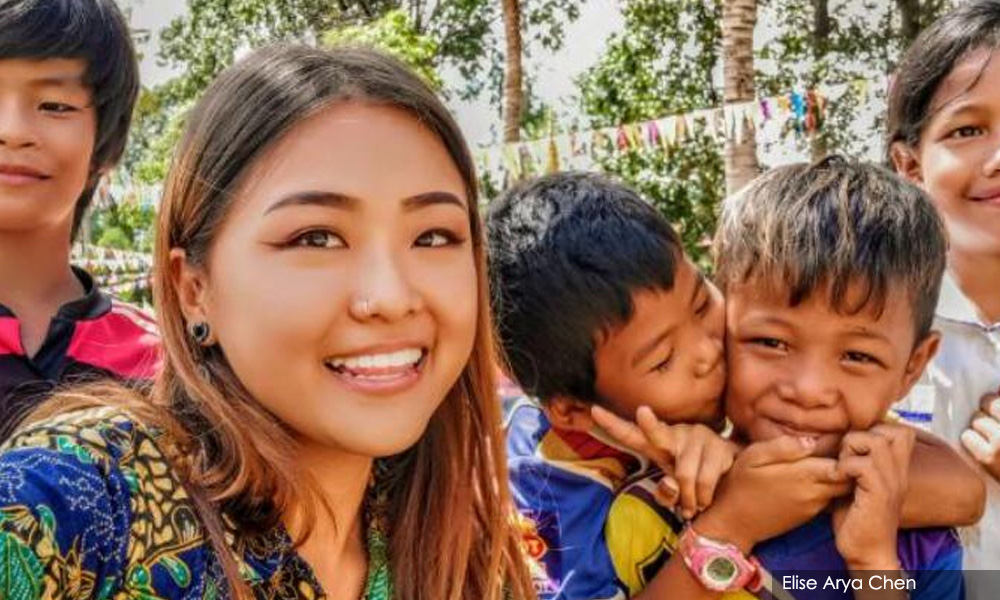
I think it started when I was a child and there was quite a lot of physical abuse that was pretty severe and I almost lost my life on several occasions. The police came once, and I noticed we had a very toxic dynamic as I did not want to get anyone into trouble.
As I grew older I realised that a lot of people felt that way. They have faced different kinds of exploitation, in the same way, a lot of people in my family including my father saw what was happening to us but never said anything, and that made me think about how much suffering is going on out there.
We need to normalise confronting abuse and exploitation and making it an issue, instead of walking away.
In college, when I started taking a lot of humanities courses, I realised that the sense of helplessness and hopelessness is felt by a lot of adults. When I was a kid I thought that when you are grown-up, you will have it all figured out.
I realised I did not want to be part of a community that was silent. I felt that it was really important that I make my life be on the side of alleviating struggle.
My involvement in Myanmar started as just a job placement. I was interested in working with migrants but when I joined Tenaganita the only position available was for the refugee action programme. Then I was attached to Cobem and I learnt more in-depth about Myanmar's ethnic minority issues.
Previously many heard of just the Rohingya issue, but I realised it was much more diverse than that.
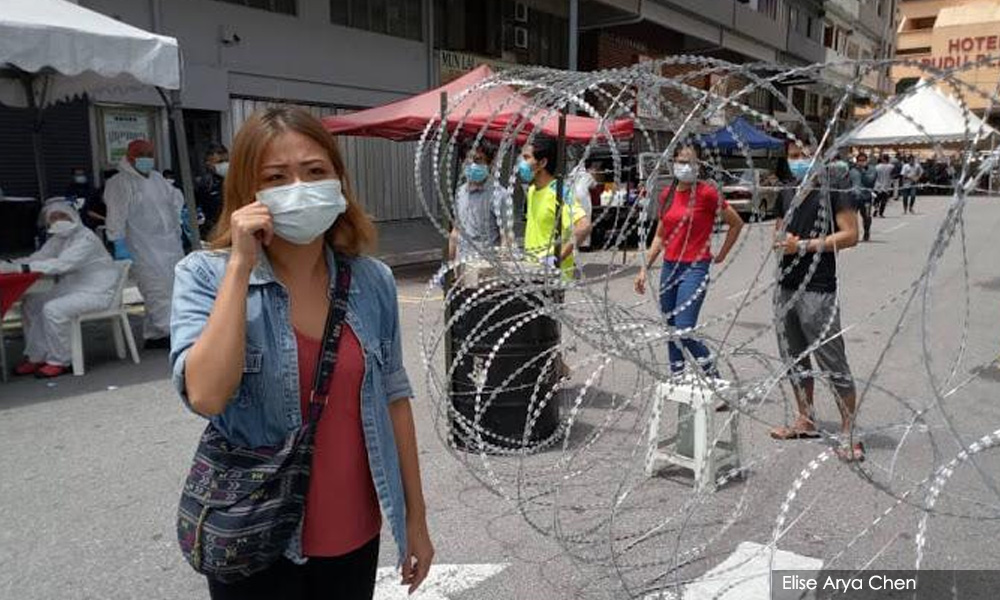
As I went on, I realised it’s so important to work for any underserved community. There are well-known areas like Cox’s Bazaar but if all the aid is concentrated there, support for other groups can be nil.
I landed there and now I don’t want to see myself anywhere else.
I wouldn't say I have family support. In some ways, they are just happy that I have a job. I grew up with social anxiety and it was really quite severe. I couldn’t make friends, couldn’t leave the house without crying.
So for the longest time, my parents thought I couldn’t get a job – or get married, because that’s what women are good for apparently – so when I finished university and moved on to internships and a job they were happy.
They do regularly nag me saying you need to take care of yourself, don’t keep taking care of other people, which is strange because we were raised to share our things and be kind to others, animals, etc.
It helps when they see me being able to give insights and voicing out for people, either through statements or going on the radio, but it’s just the paycheck that they would be concerned about.
I understand from previous generations that had a real struggle of putting food on the table, but I will break it down for my parents that my expenses are really not that much.
I don't have a want for luxury. I need a purpose in my life. It's so much more important to feel that I am living a life of significance.
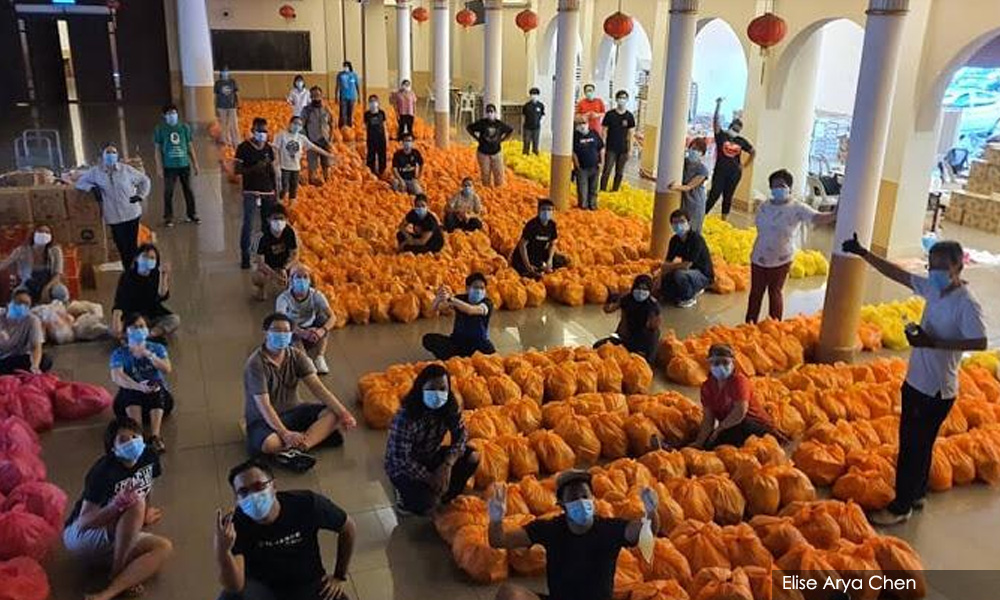
Working directly with the leaders and community organisations – I find that I don’t want to dominate the space, my aim is to just sit in the background and bring them to the forefront. The challenge is working with such diverse groups with different perspectives, from the kind of persecution they face back home, to the different levels of education, and differences between men and women.
They are also older than me, so here I am trying to guide them, build a platform for all the diverse leaders to come together. Encouraging them to speak out.
Just because I have a degree and I am Malaysian they will defer to me, but they are so much more experienced.
But refugee rights advocacy in Malaysia is much wider than the Myanmar people.
Last year I saw the energy of xenophobia where a lot of people attacked Tenaganita as well. The anger and venom people had towards us was so misguided and I was so disappointed. These are my Malaysian brothers and sisters with hateful energy that was festering. People saying - just kill them, push them into the sea - was just horrible. Such strong things to say.
I’m sure a significant number were cybertroopers, but there are also genuine cases. Hate is such a strong emotion and it's easy to whip up those sentiments in people. When you are angry, you seem to have nothing to lose. It is also a commonly used tactic in politics, to create an "us against them" dynamic.
My happiest moments are more personal. My happiest moments are more personal like when I build a genuine rapport with the refugee community.
I think they might feel that sometimes NGO people come in, take what they want, and then take all the credit for themselves and then they feel shortchanged. When I see their leaders come to me as a friend and those moments where we can build trust and make significant contributions, those are very positive.
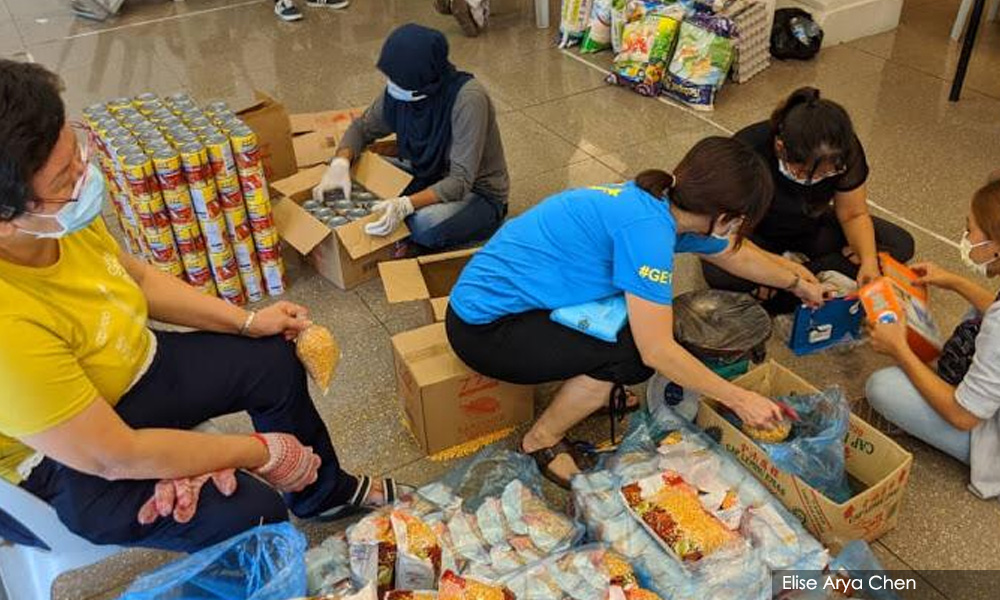
In advocacy, it feels like there have been so many things we tried to do and most of them failed. And that built up some pessimism in me. I think the only successful advocacy I was part of was the Chin cessation.
(In 2018, the UNHCR announced the cessation of refugee status for Chin refugees, despite ongoing conflict and militarisation in Myanmar's Chin State. Cobem actively opposed this decision and the UNHCR eventually suspended the cessation process, citing fresh research and community opposition).
Even back in university I just wanted us to talk about real world issues, rather than the first-world problems experienced by millennials.
I did my degree at Taylor’s University. I was just like any other kid, doing a degree because my parents asked me to, but in college, I learned so much about these issues. Suddenly I was thrust into a leadership role with a magazine and in 2013 or 2014 I could show what I was capable of.
I like protests – I like to go for rallies. Some May day rallies are more exciting than others. I do not shy away from tear gas, or a day when I may get killed.
However, I didn't join the Bersih rallies because I felt alienated from politics. It was about ruling and opposition sides, but we never talked about left and right, about class and ideology.
Advocacy involves different strategies and styles. You’ve got players who will butter up the government, and then you’ve got Tenaganita which is very direct.
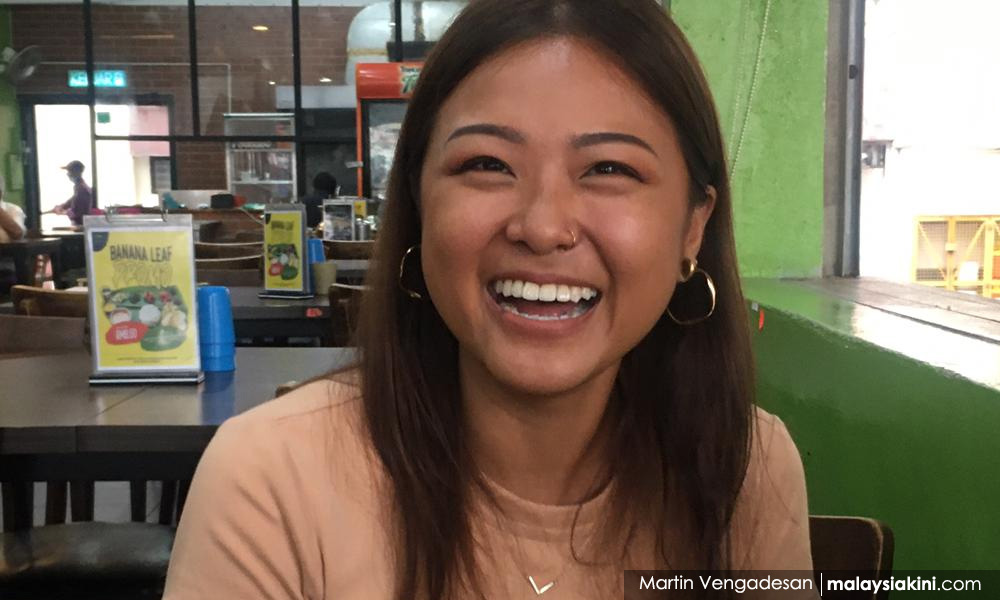
I feel like all of them are important. We need that balance of things. I am still trying to figure out where I stand and I think my biggest fear has always been trying to maintain integrity if I’m in a place of power, as anyone can be bought.
When I look at politics, I'm interested in policy-making. I want to be the person who whispers in the politicians’ ear. If I ever join a party – do I really trust that party or not? Do I really want to become part of a political system that I disagree with, which is so flawed? How do you break a system from inside when you have already subscribed to it, and played by its rules? I am not sure if something needs a revolution or just a reform from within.
Good people don’t always want to be the face of change. Whether it's advocacy or opportunity creation, I want to see a government full of representation, working-class people, teachers, single mothers, people with disabilities. These are people who know what it’s like to be voiceless – and maybe I’ll whisper into their ears.
I recognise that charisma also matters, the right face, the right voice, the right height – being able to resonate with people.
If new realignments just leave us with the same elites, that’s not a party I want to vote for either.
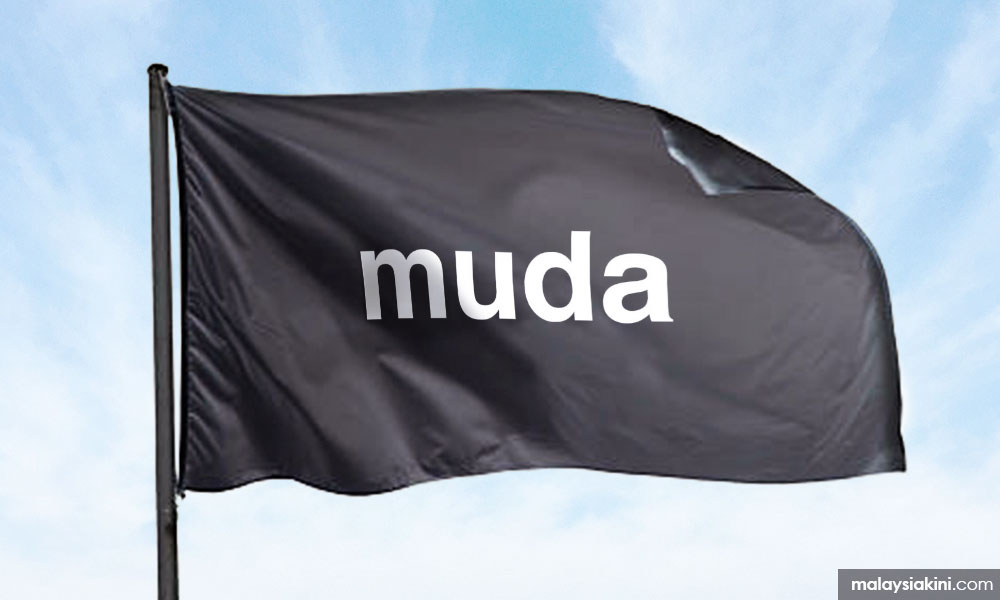
I had some discussions with Muda who tried to pull me in but I felt like I couldn't because it seemed they were just going to put up a bunch of elites. Urban kids.
I like the idea of trying to propel the voices of youth who are more willing to take risks when we need to. We have so little to lose at this point.
Our current leaders are so detached from the reality on the ground and don’t even understand the issues, whereas we young people have the rest of our lives ahead of us, and we have everything to lose if we don’t get the right leaders in quickly.
But Muda still doesn’t fit the bill of representation – they seem like career politicians. I want leaders who listen to the people, not just give their ideas. Time will tell – I would love to see younger leaders, female world leaders like we see in other countries.
My beliefs are not just about refugee rights. They are aligned with human rights. Especially environmental justice. I feel like we don’t talk enough about it. For the years I was in Tenaganita, I was vegan, and I was made to feel that was an inconvenience to others – whereas I am doing it because of the horrible labour conditions for animals. Food waste, it all links back – when we fail to look after the environment, it impacts the marginalised the most.
Even working directly with the refugee committee – they are focusing on so many things, I think they can’t be worried about the environment. Even LGBT rights, there are people who identify but feel they will never have the voice – to be a minority within a minority.
I get why Aung San Suu Kyi didn't speak up but I don't agree with it. I hear these sentiments a lot. Sometimes even the same community leader will switch back and forth. But as a politician, you only have so much political currency. This is persecution. And many minorities supported her. But she never took that chance. Yes she fought a lot and you’re still struggling, but if you don’t risk something, you wouldn’t achieve anything.
When the Myanmar nationals were sent back despite a High Court order, I quickly went to the community leaders I knew. I think I asked probably 16 leaders – do you know anyone who is on board? And at first all of them said no, we don’t know anybody there, so I thought they were Myanmar migrants who came in legally but then got sacked, documents unrenewed, and they were trying to go back home.
So I was thinking maybe a big portion was from that community, not the refugee community. But some leaders have since been alerted that there were refugees and asylum seekers who were deported on the ship, as well as some who were meant to be boarded but due to testing positive for Covid-19, were held back at the detention centre.
Conditions in detention centres are terrible so that you will sign voluntary repatriation.
It's worth mentioning that there are instances where leaders are not always notified by their community members when they are deported or repatriated.
Thus, the number of cases that we are aware of through leaders is not always reflective of the actual reality, partly due to the lack of transparency and information provided by the authorities to shed light on the true numbers.
We want to be objective although the way the boats went anyway despite the directive is still very questionable.
If I think about going to Myanmar, I am not really worried about being blocked from entering but I don’t want to just go to central areas. I think I can blend in well, I want to go to the conflict zones.
When I was young, I saw conflict and an abuser who took it all out on us. It was very hurtful when we were taken away for a short while but then returned. I grew up questioning a lot. Every night as a teenager I was praying for the same thing. I went through depression, trying to figure out my place in the world.
I get the rationale of why God doesn’t exist. I didn’t want to believe that God could allow it but in my own life, I feel that the pain helped shaped me. I have this belief that there is something beyond the mortal world and now it helps ground me to have faith.
I don't have heroes. Growing up, I had more examples of what not to be – materialistic, backstabbing, unkind to others.
To me, being a corporate person is my biggest nightmare. What job is not challenging or stressful?
If I ask myself – is what I am doing worth it? – the answer in a heartbeat is yes, of course, it’s worth it. For activists, a bit of abuse comes with the territory and you have to face it. In fact, it’s proof you are doing something right.
I was raised to migrate. I was told when you go abroad, never come back. But I don’t want to migrate for good. Maybe go overseas to learn and come back and help improve things. Do further studies, depending on money and time, maybe even get multiple doctorates.
I love dogs very much, they are my favourite animal. I like being in my garden and staying out in the sun.
I like to walk around in Central Market and look out for the arts.
Maybe I have this unhealthy blend of work and life right now but if the world didn’t need to be saved, I think I would love to study clouds, a meteorologist with her head literally in the clouds.
MALAYSIANSKINI is a series on Malaysians you should know.
Previously featured:
Disabled professor fights to give OKU students chance for success
Dancing a fine line to keep Mak Yong alive
The burning passion behind Time Magazine’s fiery cover
Meet Nicole Fong - an activist researcher hoping to bring people together
Mak Wan's 'dark past' inspires her to serve Chow Kit homeless
Beauty pageants, law activism go hand-in-hand for Kokila
'Pendatang' Kian Tan uses ancient works to explore history, identity


Are you sure you want to delete this comment?
This action cannot be undone.