


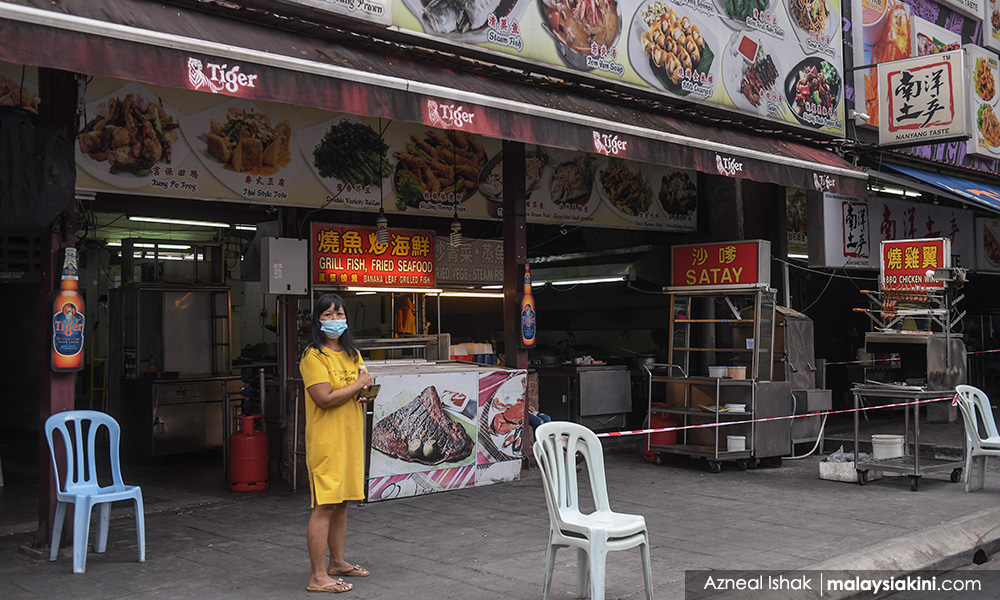

From hawkers to restaurants, level of govt help is unpalatable
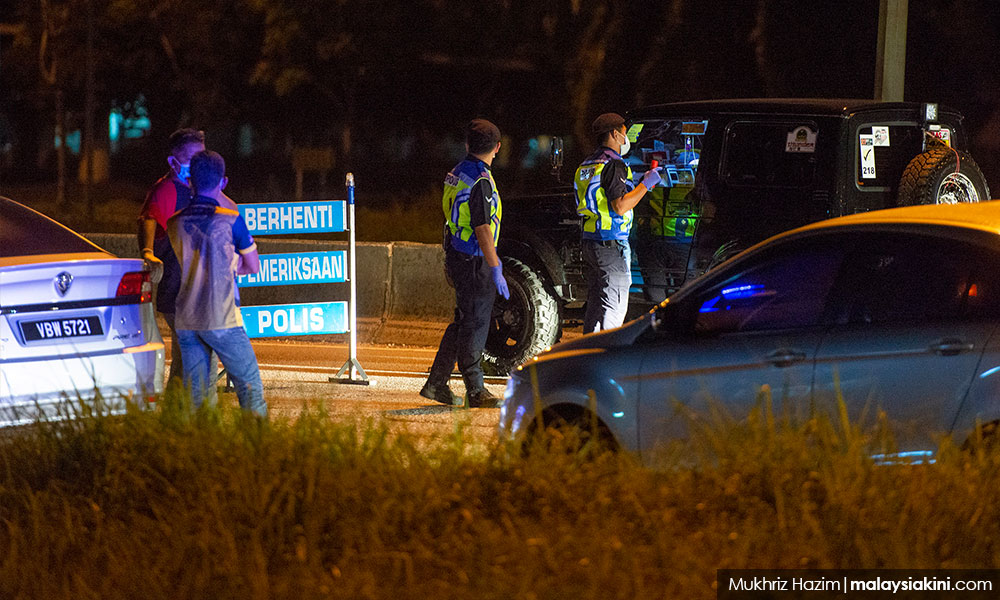
Throughout the various lockdowns measures implemented to stem the spread of Covid-19 so far, the food industry was never ordered to shut albeit having to contend with a takeaway only rule.
In April last year, Prime Minister Muhyiddin Yassin’s Prihatin stimulus package had taken into account the woes faced by those in the food industry and invoked the fictitious “Pak Salleh the mi kolok seller” story to demonstrate what sort of benefits were available.
The Prihatin package was...
Throughout the various lockdowns measures implemented so far to stem the spread of Covid-19, the food industry was never ordered to shut down, only having to contend with a takeaway only rule.
In April last year, Prime Minister Muhyiddin Yassin’s Prihatin stimulus package had taken into account the woes faced by those in the food industry and invoked the fictitious “Pak Salleh the mi kolok seller” story to demonstrate what sort of benefits were available for hawkers and small-time food businesses.
The Prihatin package was supposed to allow eatery operators such as Pak Salleh access to a wage subsidy scheme and a RM50,000 micro-credit loan from Bank Simpanan Nasional.
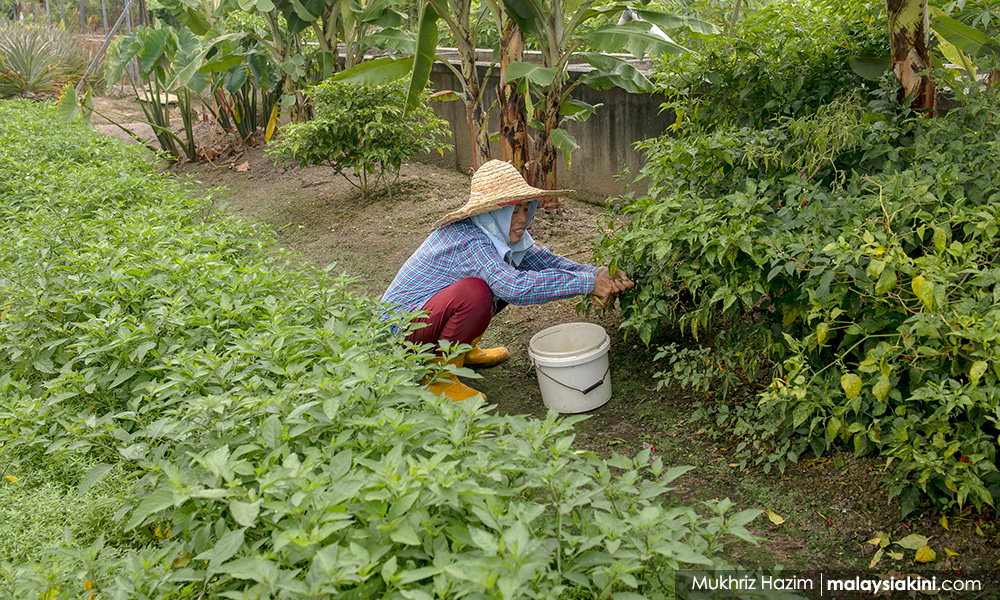
But several small eatery operators told Malaysiakini that in reality, things are not as simple since most petty traders do not have proper bookkeeping or documentation to qualify for any assistance.
Ayob Abd Majid, 60, currently runs a Thai food stall from his home in Ampang, Selangor. He used to run a Thai restaurant in Kampung Baru, Kuala Lumpur up until May last year because he could no longer afford the RM8,000 monthly rent.
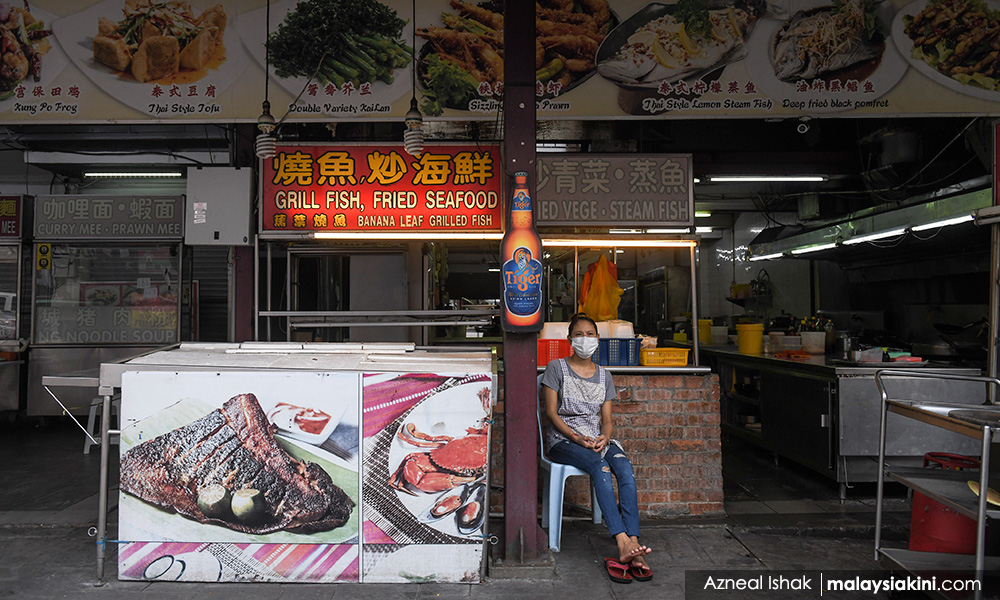
During the “total lockdown” period, he makes about RM100 on a good day. The only government benefit he had access to was a RM15,000 loan at the start of a pandemic. Now, he is struggling with the RM300 monthly repayment.
“For hawkers like us, securing loans from banks is never easy. You need to submit all sorts of documents. You need to have savings. You need to prove you have assets.
“The biggest problem is the credit data used by reporting companies such as CTOS. Some cannot secure loans because they had bad credit card records when they were younger which is affecting them now.
“Others have unpaid credit card bills because the pandemic has affected the cash flow of their business,” he explained.
This vicious debt cycle among petty traders was difficult to break out of, said Ayob who believed that it should be a top priority for the government or else many businesses would never get off the ground again when the economy reopens.
Handouts sought
In the Chow Kit area of downtown Kuala Lumpur, there are some 3,000 food hawkers that would normally serve the office working hours crowd.
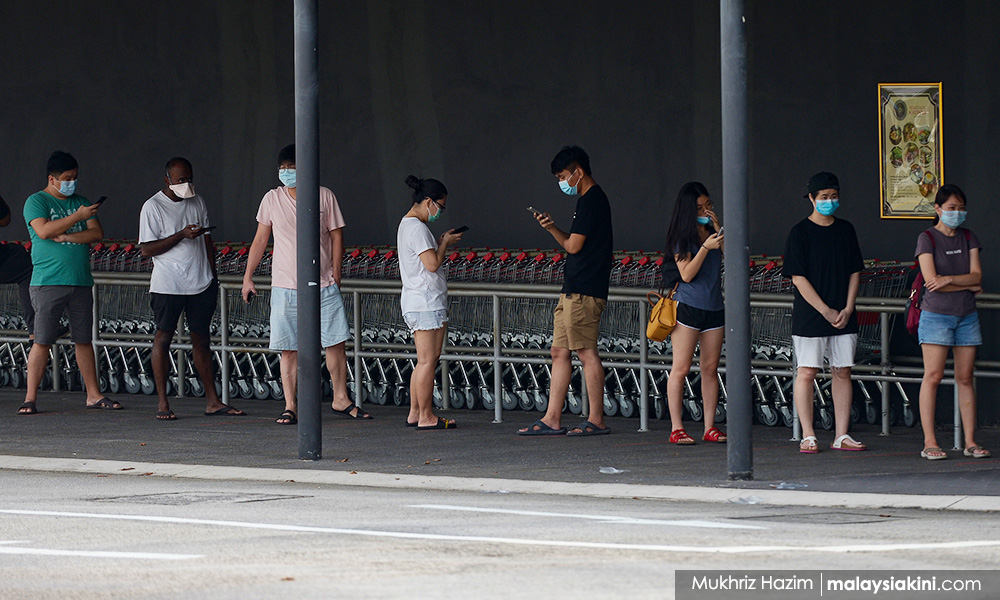
With strict lockdowns currently in place, patrons are rare, said Federal Territories Bumiputera Hawkers and Petty Traders Association (Jalan Raja Bot) head Shahrin Darus.
Shahrin proposed that the government provide a one-off cash handout of RM3,000 to the hawkers there or else many businesses won’t survive the current lockdown.
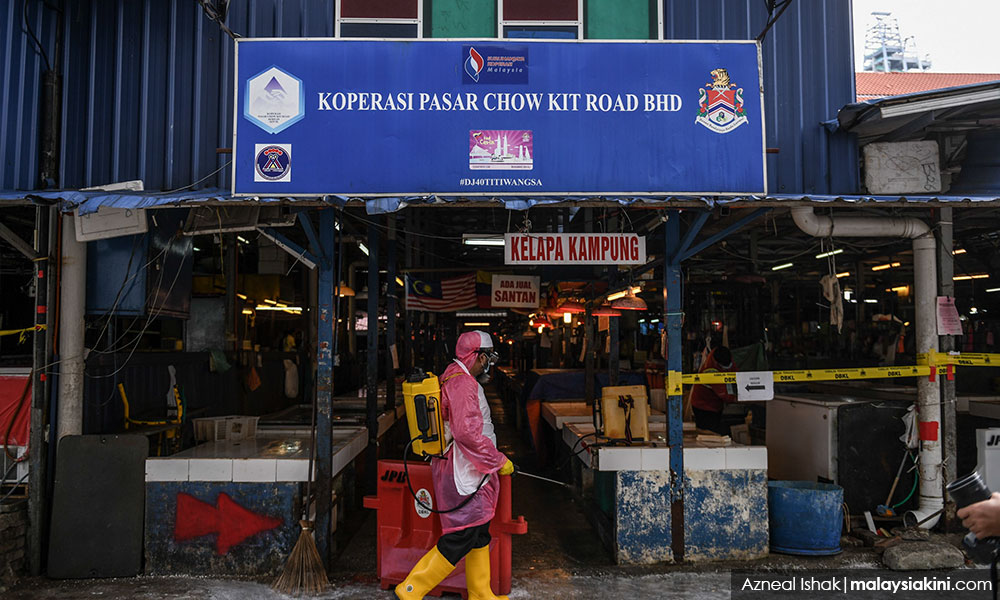
Mohd Muizzuddin, 28, runs a food stall at the Jalan Raja Bot market. He said that “total lockdown” has been a double whammy. Not only was his income dramatically slashed, his application for the Bantuan Prihatin Rakyat (BPN) welfare payment was also turned down.
“Last year, I applied and secured RM1,600. This time, I can’t because I have no children,” he said. "I am helping my parents run the food stall. Sometimes I can't even pay my own salary as I barely earn enough to cover costs."
A coffee shop stall operator, who wished to be known only as "Lim", told Malaysiakini that since his business was not registered with the Companies Commission of Malaysia, he has very little access to government benefits.
“My other family members who are properly registered, however, are entitled to these cash aids," she said. “All I got this year was RM500 under the BPN scheme.”
The way lockdown rules affect businesses is not equal. Lim said that as he has good credit, he has been offered loans through unsolicited calls from banks.
“Food hawkers who operate near commercial downtown and industrial areas are heavily hit. But for us, we operate near housing areas, our business is somewhat sustainable.”
Wind-ups happening daily
Apart from small traders, bigger operators are also facing problems, primarily those serving commercial areas.
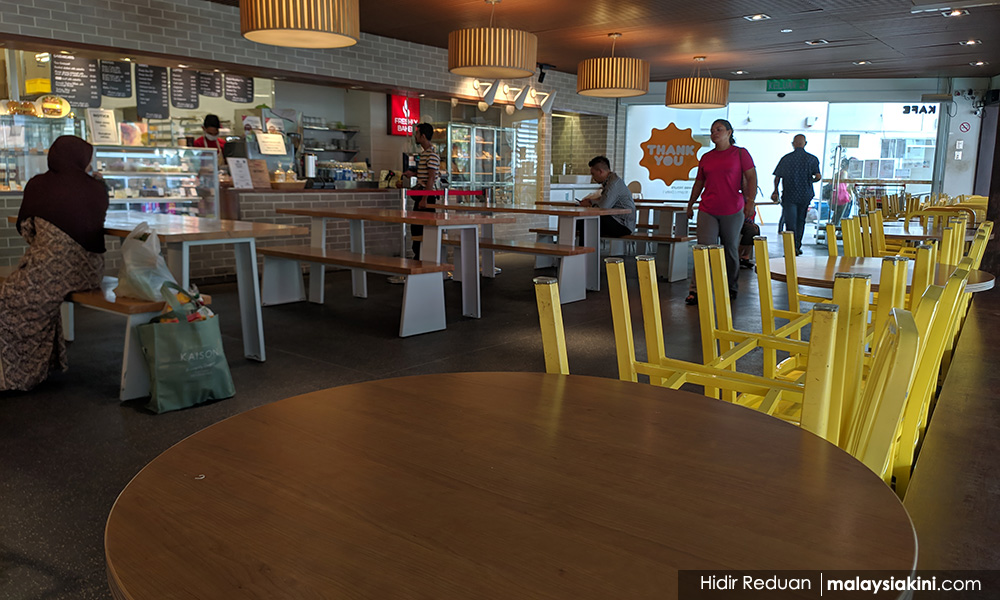
Malaysian Muslim Restaurant Owners’ Association (Presma) president Jawahar Ali Taib Khan said revenue has been greatly reduced because restaurants generally cater for a dine-in crowd.
“Some 500 out of 12,500 of our members have wound up since the pandemic started. It’s like the closing down of one shop every day. They shut down because they cannot manage rentals and fail to secure a loan,” he said.
Jawahar predicts that more members will fold by the end of the year, especially those serving prime areas where rent is a huge problem.
“One member is collecting only RM500 a day when his rent is RM1,000 a day,” he said.
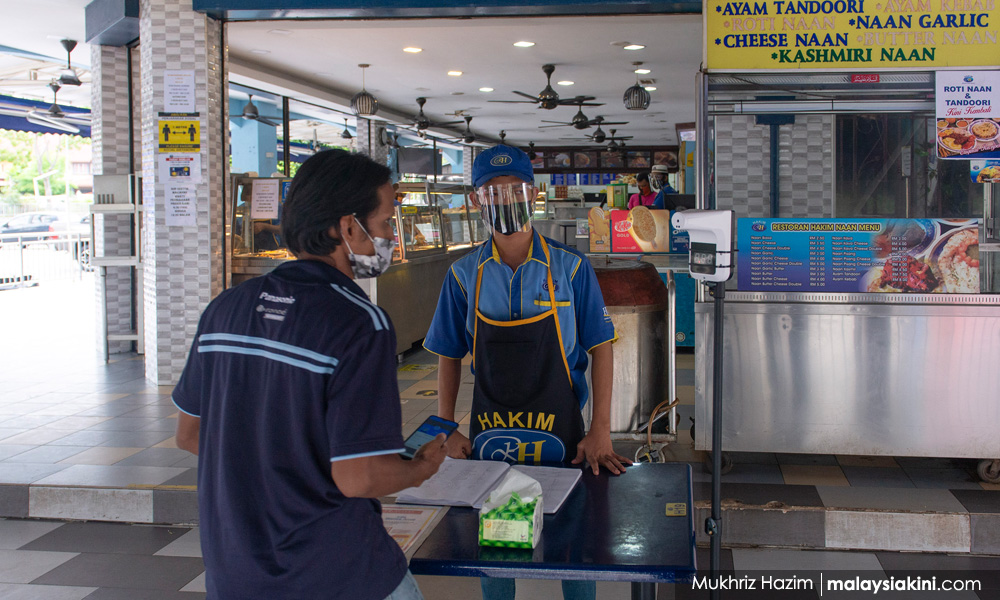
Jawahar said people have a lot less disposable income now to order takeaway unlike the first movement control order (MCO) because the government did not impose a blanket bank loan moratorium.
“People are spending a lot less and trying to keep their takeaway bill below RM10,” he said.
Malaysia-Singapore Coffee Shop Proprietors’ General Association president Wong Teu Hoon said Malaysia’s ubiquitous coffee shops are also facing problems in prime business areas because their model of business depends on collecting rent from stalls set up within their premises.
As stall operators struggle with much less foot traffic, they are unable to pay their rent, thus affecting coffee shop operators who, in turn, also have to pay rent.
“Nowadays, you see people preferring takeaway. How often do you see people walking away with just a kopi peng (iced coffee)?” posed Wong.
The bigger you are, the harder to adapt
For bigger businesses, lockdowns are harder to adapt to. Chinese banquet halls, often used for weddings and big events, for instance, are having trouble transitioning to the takeaway business.
Wong said despite having no business during lockdowns, bigger restaurants and banquet halls still have to contend with utilities, rental and wage bills.
Moreover, popular food delivery services charge up to 38 percent of the selling price in fees, said Wong, making the transition to digital difficult.
“Medium-sized eateries sometimes transition to home-cooked or affordable food packages and they deliver it themselves. Bigger or higher-end restaurants will find that difficult,” he said.
However, some interviewees with bigger food businesses, better documentation systems and proper books, were eligible for loans which helped them change their business model.
One such operator was Teo Wee Kee, whose family runs two restaurants in Batu Pahat, Johor. Teo said his company decided to deliver frozen food and cooked food during the lockdown.
This idea came about after discussions among company directors and supporters of his business who follow him on social media.
“We still estimate that we need another three to five years to recover our losses,” he said.


Are you sure you want to delete this comment?
This action cannot be undone.