



Forced labour caused Malaysia's downgrade in US human trafficking report
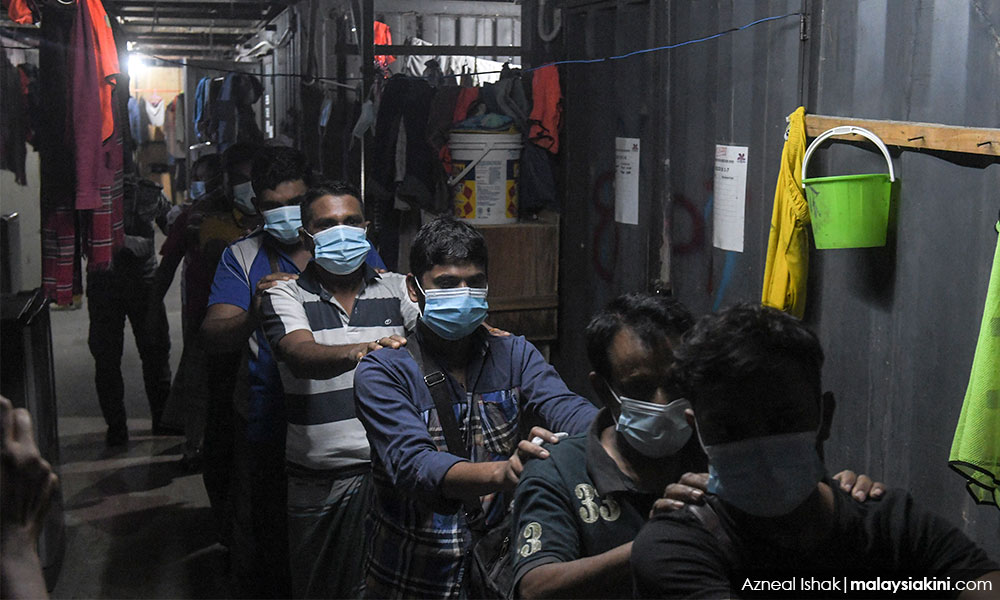
Forced labour has been identified as the predominant form of crime linked to Malaysia's downgrade to Tier 3, the worst tier, in the US State Department's annual report on human trafficking, according to a US government official.
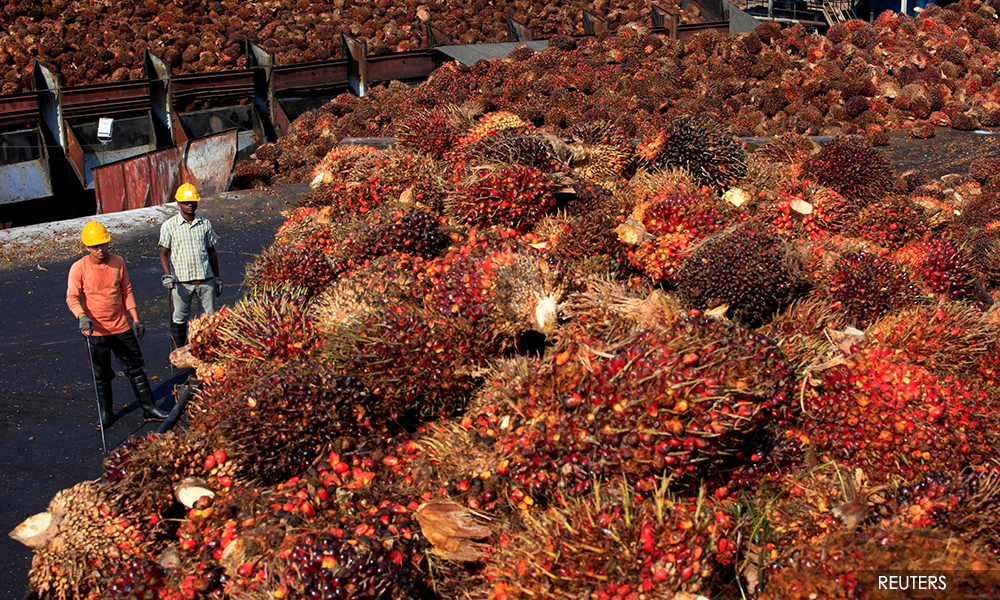
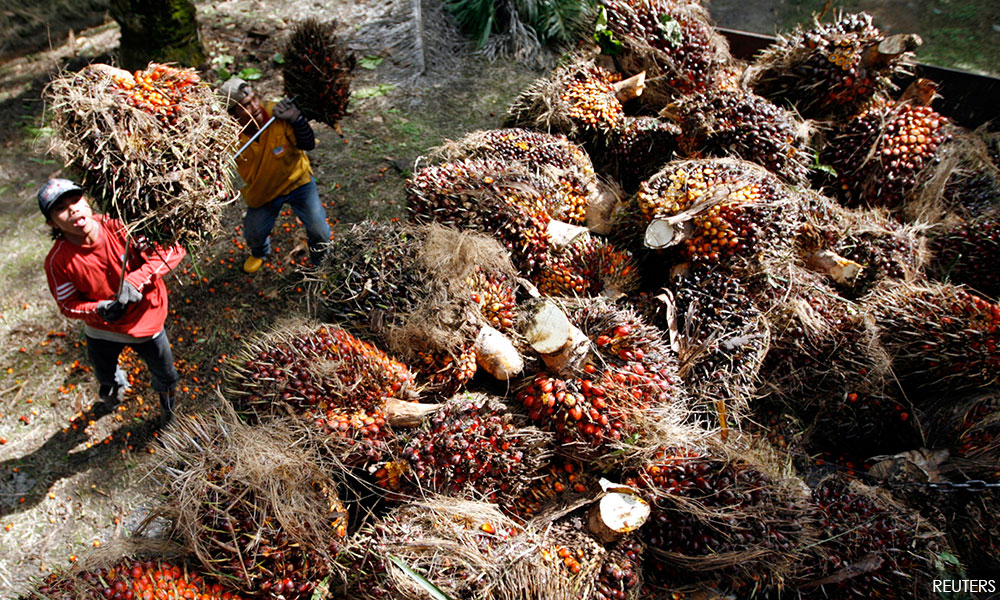
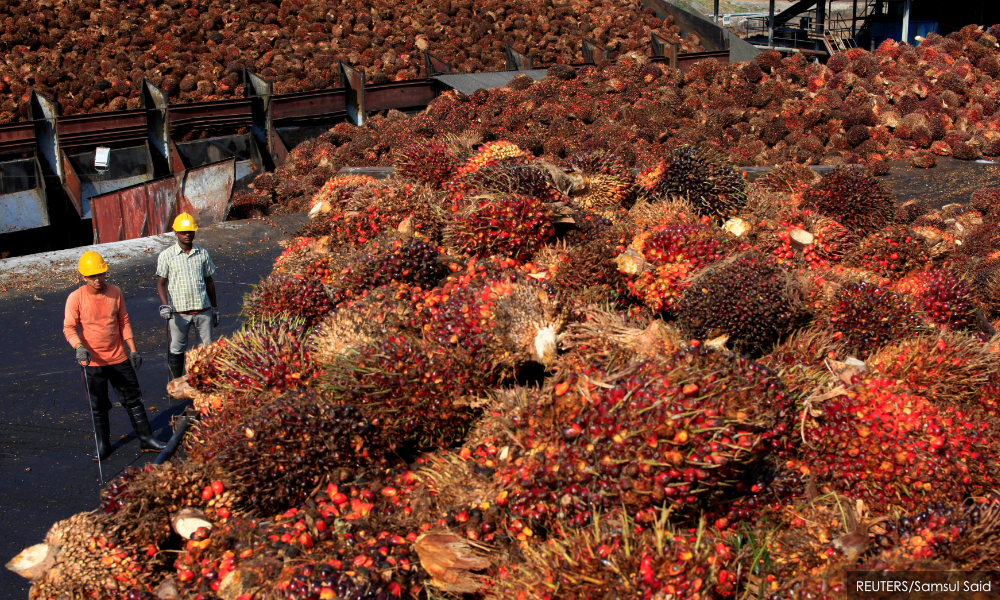
US State Department’s Office to Monitor and Combat Trafficking in Persons acting director Kari Johnstone said elements of forced labour were found in sectors including palm oil and agriculture plantations, construction, as well as manufacturing.
Aside from electronics and garments, Johnstone said...
Forced labour has been identified as the predominant form of crime linked to Malaysia's downgrade to Tier 3, the worst tier, in the US State Department's annual report on human trafficking, according to a US government official.
US State Department’s Office to Monitor and Combat Trafficking in Persons acting director Kari Johnstone said elements of forced labour were found in sectors including palm oil and agriculture plantations, construction, as well as manufacturing.
Aside from electronics and garments, Johnstone said forced labour elements were identified in rubber product industries, as well as in local Malaysian households that hired domestic workers.
"The overwhelming majority of victims from Malaysia are among the estimated two million documented and an even greater number of undocumented migrant workers.
"Foreign workers constitute more than 30 per cent of the Malaysian workforce and typically migrate voluntarily through irregular channels," Johnstone said during a teleconference from Washington, several hours after the launch of the department's Trafficking in Persons (TIP) Report 2021.
This year's report highlighted the impact of the Covid-19 pandemic on the efforts of countries to combat human trafficking and protect vulnerable victims.
Factors including high demand for certain products and restrictions in working conditions also exposed more individuals to elements of forced labour and human trafficking.
Asked on the impact of Malaysia's downgraded ranking on the country's exports, Johnstone said Tier 3 restrictions do not specifically include an export ban to the US.
"The US government does have other tools to combat forced labour in global supply chains that may be used to limit the import of goods produced in whole or in parts with forced labour.
"But that is not specifically tied to a Tier 3 ranking in the TIP report," she said.
Countries on Tier 3 may however face restrictions of non-trade and non-humanitarian aid, as well as potential limitations on US voting for loans in international financial institutions.
In the past year, the US Customs and Border Protection (CBP) imposed import bans on three Malaysian companies over allegations of forced labour used in their operations.
Part of the forced labour allegations was linked to unfavourable living conditions, wage deductions, as well as irregular recruitment of migrant workers.
Contacted for comments, North-South Initiative director Adrian Pereira said it was apparent that Malaysia has not demonstrated an authentic political will to stop human trafficking.
"Looks like the global supply chain has to make painful decisions if it wants to continue doing business in a high-risk labour market like Malaysia," the migrant rights activist told Malaysiakini.
"Failing to resolve this is actually Malaysia’s self-sabotage of the economy.
"The risks usually come back to bite brands and buyers much later after investigations are done and their products get banned or clients reject the products due to moral and legal obligations," he said.
The State Department ranks countries in Tier 3 for failing to comply with the minimum standards for eliminating trafficking or make significant efforts to comply.



Report this comment
Are you sure you want to delete this comment?
This action cannot be undone.