


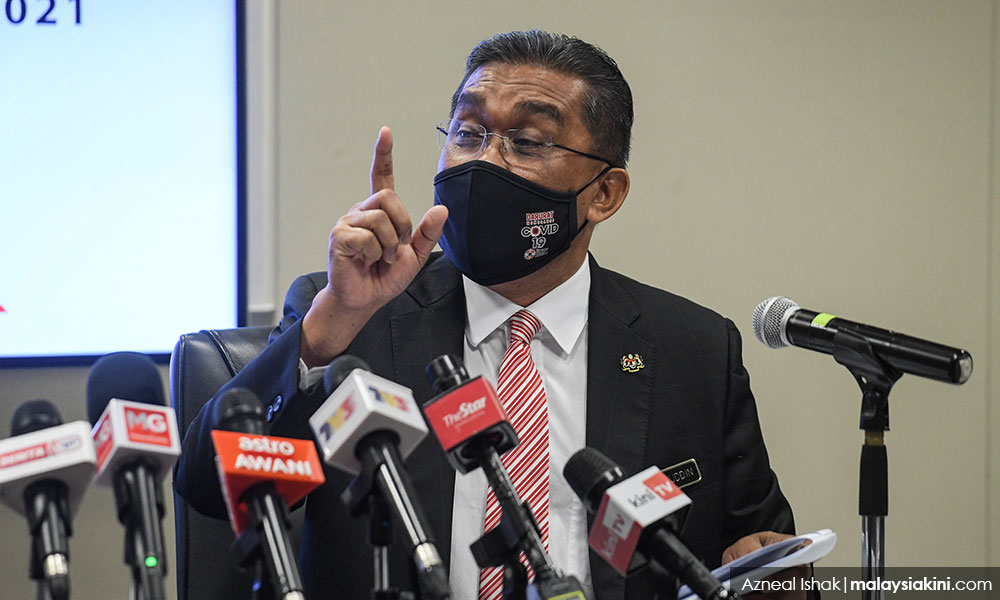

Ambiguity over ‘revoked’ ordinances frustrates law enforcement - lawyers
More have called into question the Perikatan Nasional government’s move to “revoke” all emergency ordinances sans proper procedure, saying the ambiguity around the issue will frustrate enforcement matters like issuing compounds.
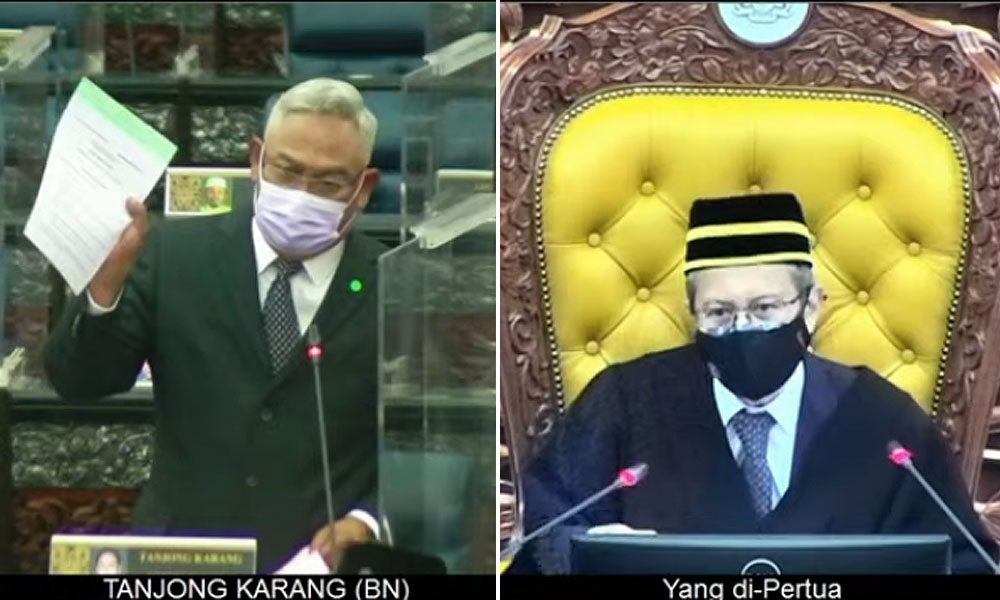
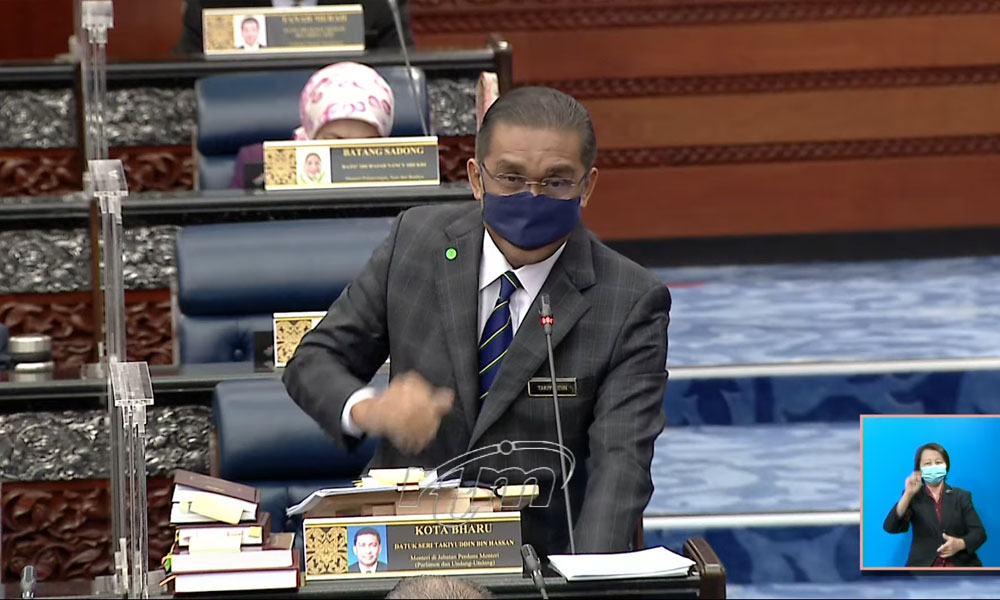
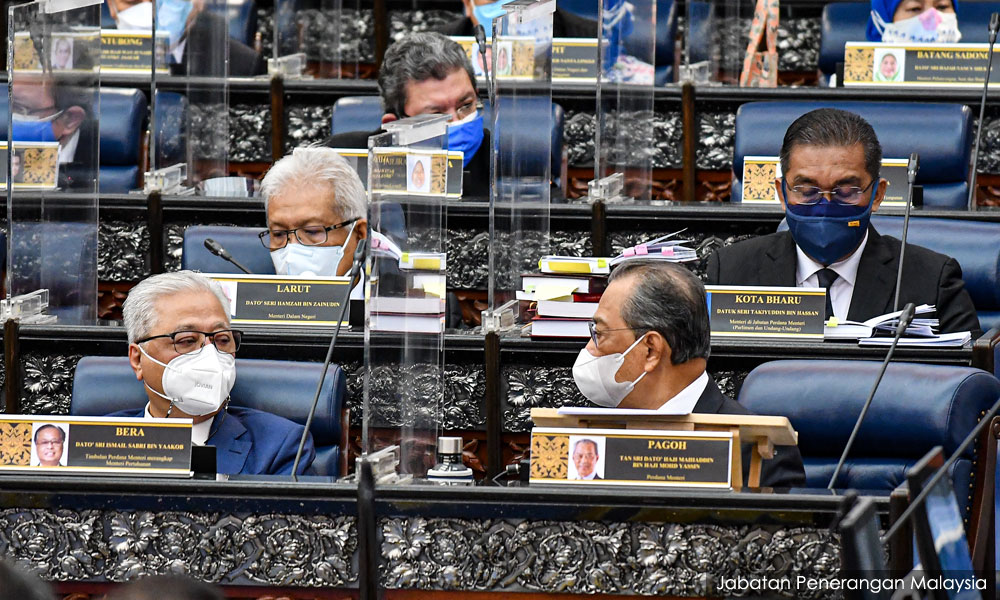
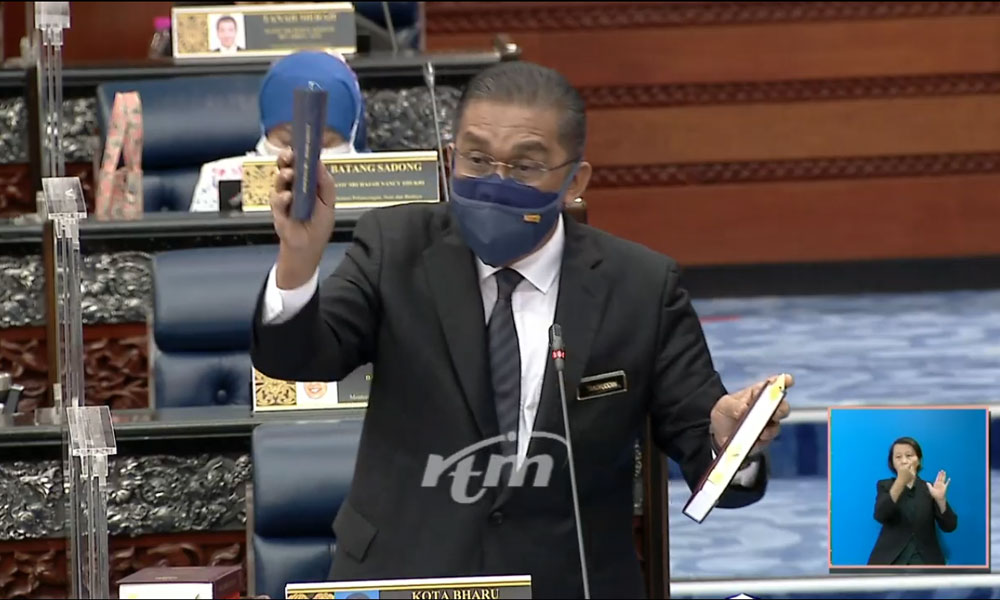
This uncertainty is set to continue after de facto law minister Takiyuddin Hassan refused to clarify the matter to the Dewan Rakyat this morning, saying he would only do so after the emergency expires on Aug 2.
Despite a barrage of questions...
More have called into question the Perikatan Nasional government’s move to “revoke” all emergency ordinances sans proper procedure, saying the ambiguity around the issue will frustrate enforcement matters like issuing compounds.
This uncertainty is set to continue after de facto law minister Takiyuddin Hassan refused to clarify the matter to the Dewan Rakyat this morning, saying he would only do so after the emergency expires on Aug 2.
Despite a barrage of questions, he did not explain how the move affected compounds that were issued under emergency ordinances after July 21, which is when the cabinet had apparently revoked the ordinances.
Like many quarters, Bar Council Constitutional Law Committee co-chairperson Karen Cheah said Takiyuddin’s “verbal announcement” was insufficient to deem the revocation legal and valid.
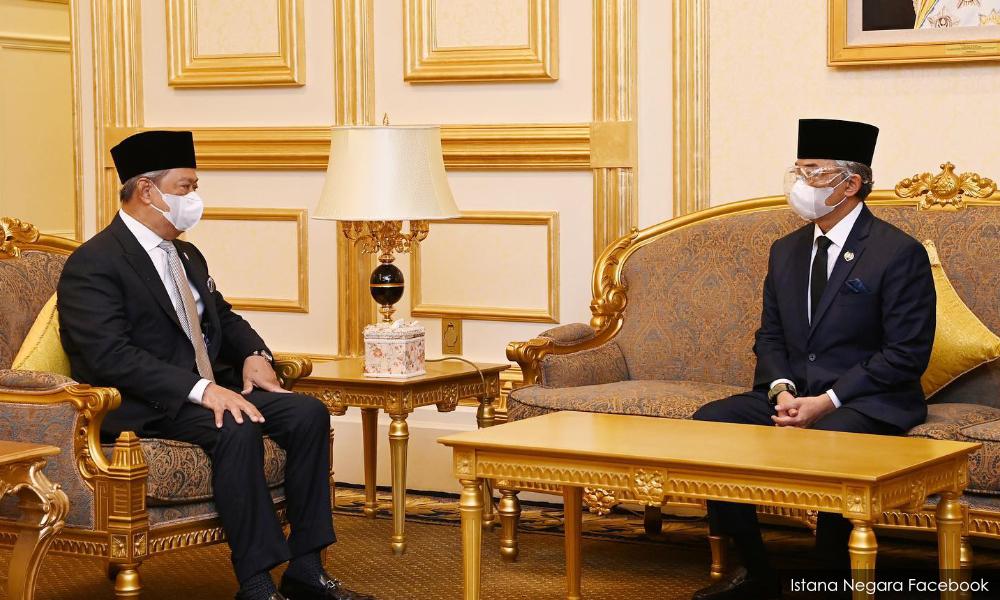
In the absence of any publicly accessible gazette, it is unclear if the Yang di-Pertuan Agong (YDPA) consented to it, as required by the Federal Constitution.
She said the government’s five-day delay in making the major announcement further muddled things, especially law enforcement.

“Because of the lack of transparency and accountability, the delay in announcing such an important decision and without any proper explanation for such a delay;
“This has led to lapses in time where the rakyat and enforcement officers carrying out their usual daily lives and purportedly enforcing laws without proper context due to the government’s failure to apprise the nation,” she told Malaysiakini.
Answer lies in missing gazette
Between July 21 and July 25, which is a day before the minister’s announcement, more than 2,200 compounds were issued for Covid-19 standard operating procedures (SOP) violations.
Such compounds are typically enforced under the Prevention and Control of Infectious Diseases Act 1988.
An emergency ordinance had raised the maximum penalty from RM1,000 to RM10,000 for individuals and RM50,000 for corporate bodies.
Police have reportedly compounded people for quantums above RM1,000 after July 21.
Whether these compounds can be challenged is based on what the still-unseen revocation gazette says, said Cheah.
“This depends on the nature of offence and the wordings in the (revocation) gazette.
“If the effective date of such revocation is backdated in the gazette, and the offence relates to one that falls under the emergency ordinance, then those compounds and fines can be challenged,” she analysed.
Ambiguity causes inconsistency

With these unanswered questions, Malaysian Centre for Constitutionalism and Human Rights (MCCHR) chief human rights strategist Firdaus Husni (above) was concerned about inconsistent law enforcement.
This included compounds, arrests, investigations and charges initiated under emergency ordinances after July 21.
“The ambiguity of this issue will make enforcement of the rules relating to managing the pandemic more unpredictable, inconsistent and worse, contrary.
“This will affect the rakyat greatly, as the very same rules relate to the people’s movement, health, businesses and many other aspects of their lives,” she said.
Like Cheah, the former lawyer questioned the revocation process.
However, if what the government said was indeed applicable, Firdaus opined that all ordinance-related actions performed after July 21 ought to be invalid.
“Assuming it is indeed revoked on July 21, it can be argued that all actions taken and orders made pursuant to any of the ordinances from July 21 could not have been valid,” she said.


Report this comment
Are you sure you want to delete this comment?
This action cannot be undone.