


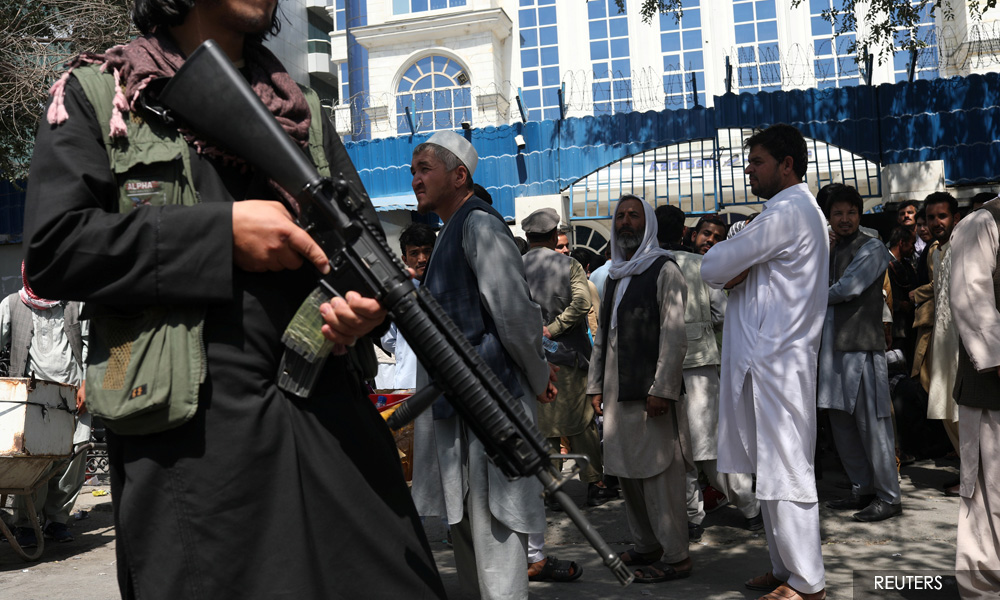

Blacklisted by Taliban, refugee worries for parents in Afghanistan
Shahrzad (not his real name) is an Afghan refugee who has been residing in Malaysia since 2016.
He was working for a media company in Kabul before he was forced to leave after becoming aware that the Taliban had blacklisted him.
“I was publishing content about education, democracy and women rights. The Taliban does not agree with these kinds of values in Afghanistan,” he told Malaysiakini.
Together with his wife and children, Shahrzad fled the country and sought refuge in Malaysia. It was a tough journey and he could not bring his parents along.
Now, he worries how he will get his parents to safety before the Taliban finds them.
“They had left their house and went to another location. They cannot go outside the country.
“Both of them are sick, my uncle would go out and buy groceries for my parents. I’m in contact with them every day, and I told them, please go to the doctor.
“They didn’t, because they are scared,” he said.
Shahrzad’s story is one of many from Afghans abroad whose...
Shahrzad (not his real name) is an Afghan refugee who has been residing in Malaysia since 2016.
He was working for a media company in Kabul before he was forced to leave after becoming aware that the Taliban had blacklisted him.
“I was publishing content about education, democracy and women rights. The Taliban does not agree with these kinds of values in Afghanistan,” he told Malaysiakini.
Together with his wife and children, Shahrzad fled the country and sought refuge in Malaysia. It was a tough journey and he could not bring his parents along.
Now, he worries how he will get his parents to safety before the Taliban finds them.
“They had left their house and went to another location. They cannot go outside the country.
“Both of them are sick, my uncle would go out and buy groceries for my parents. I’m in contact with them every day, and I told them, please go to the doctor.
“They didn’t, because they are scared,” he said.
Shahrzad’s story is one of many similarly harrowing ones told by Afghans abroad whose families back home are now facing threats from the Taliban regime.
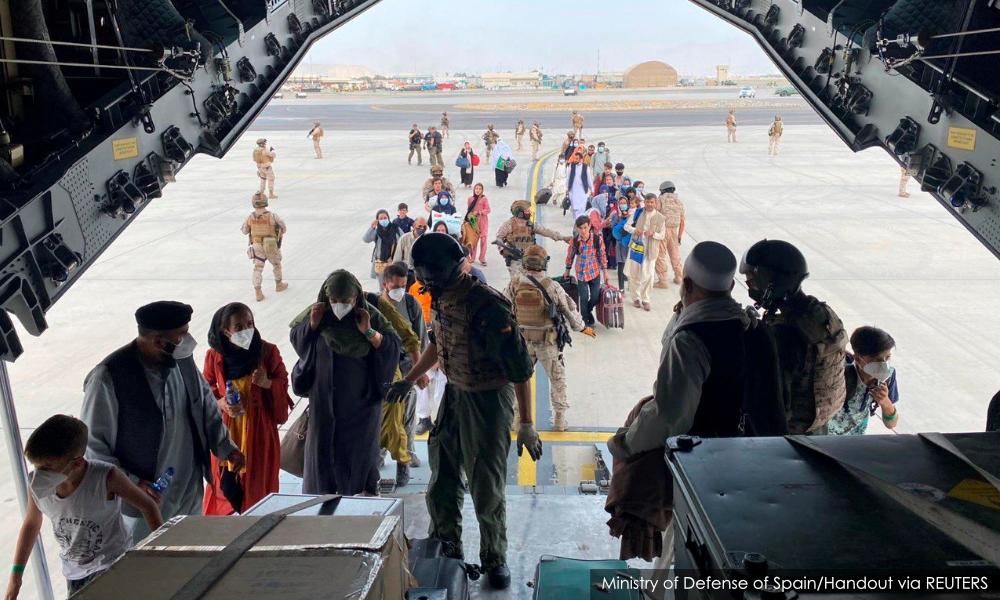
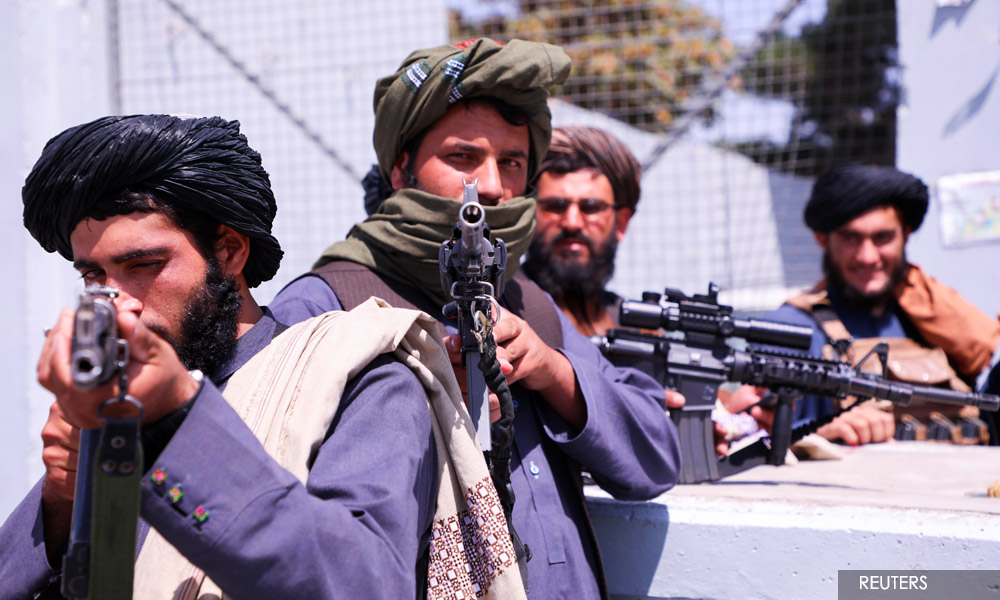
The Taliban is now one month into its administration since it took over Afghanistan on Aug 15, and Western evacuation efforts have stopped since Aug 31.
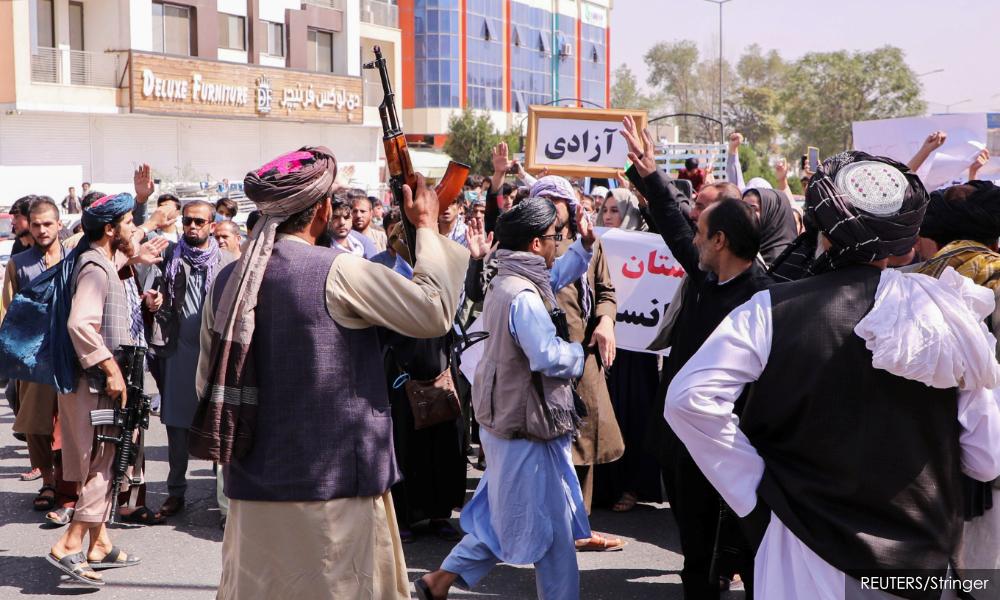
Those who were not lucky enough to board a plane out of the country have been forced to hide, as Taliban fighters are reported to be conducting house-to-house searches for anyone deemed critical of the regime.
Danger has always been part of everyday life in Afghanistan, but the Taliban’s full control of the country has wiped out whatever little notion of safety the Afghans had.
Siblings managed to escape
Shahrzad has two other siblings who worked for the previous government as well, and they managed to escape the country.
One did so during the 16-day chaos of Western evacuation in Kabul and is now in the US, while the other made it to a neighbouring country recently.
For the past month, Shahrzad’s phone has been flooded with text messages from family, relatives, friends and former colleagues in Afghanistan.
“My friends are in touch with me at all times. I ask them how they are.
“I hear strange stories that are unimaginable,” he lamented.
Among them was one of his former colleagues who was hunted by the Taliban.
“He saw some Taliban fighters on motorbikes loitering near his house. He felt scared and left the house.
“The Taliban later came knocking on his door, and when they found he wasn’t home, they demanded his wife to tell them where he was.
“When she said she didn't know, they punched her,” Shahrzad said.
Kidnap attempt led to two deaths
Another story was about a woman who used to live in Ghazni, a province located southeast of Kabul.
She worked as a handicraft seller before the Taliban fighters came to her house and tried to kidnap her young daughter, Shahrzad said.
“The girl's grandfather intervened and did not allow it, so the Taliban shot him in the face and mouth. Then they shot and killed the 13-year-old girl and fled.
“The parents of this girl escaped with the help of neighbours and has gone to live in a park in Kabul.
“The neighbours buried the body of the girl and the grandfather. I talked to that lady several times, who is now in Kabul, and we are trying to help her leave Afghanistan,” he added.
According to Shahrzad, the woman is still in hiding with her husband, and the violent episode has left a huge mental scar on her.
“She told me she was scared of everything, even at the sound of a motorbike or someone talking outside the house.
“She’s in a very bad mental condition,” he recalled from his phone conversation with the woman.
It should be noted that Malaysiakini has not been able to independently verify these stories.
Watching from abroad
“I personally feel bad,” Shahrzad said, frustrated that he could not do anything to help the situation in his home country.
He lamented that there was no way he could help as he was himself a refugee in a foreign land.
“It is not possible. We ourselves are in a situation where we are facing a legal problem here, the refugee community.
“But we are all worried. We are concerned about the lives of the people, the fate of the people in Afghanistan. After all, they are our compatriots,” he added.
Shahrzad is one of the roughly 2,000 Afghan refugees living in Malaysia, and life is difficult for the community here as refugees are legally not allowed to work.
They also face challenges to access public healthcare and education.
For Shahrzad, the list of things he and other Afghans have to worry about seems endless.
While he feels grateful to have found a job here, it is just enough to get by and many in his community aren’t so lucky.
“I know many refugees who were not able to pay their rent and were told by their landlords to leave.
“I’m working but that’s not totally enough, if I can cover my rent then I have to worry about the groceries; if I can cover the groceries then I have to worry about my children’s tuition,” he said.
Refugee children in Malaysia cannot enrol in the formal education system and many have to obtain education through community learning centres.
Grim future for Afghan women
The Taliban has been particularly tough on women. When the regime was previously in charge, women were not allowed to attend schools, or walk on the streets without a male guardian.
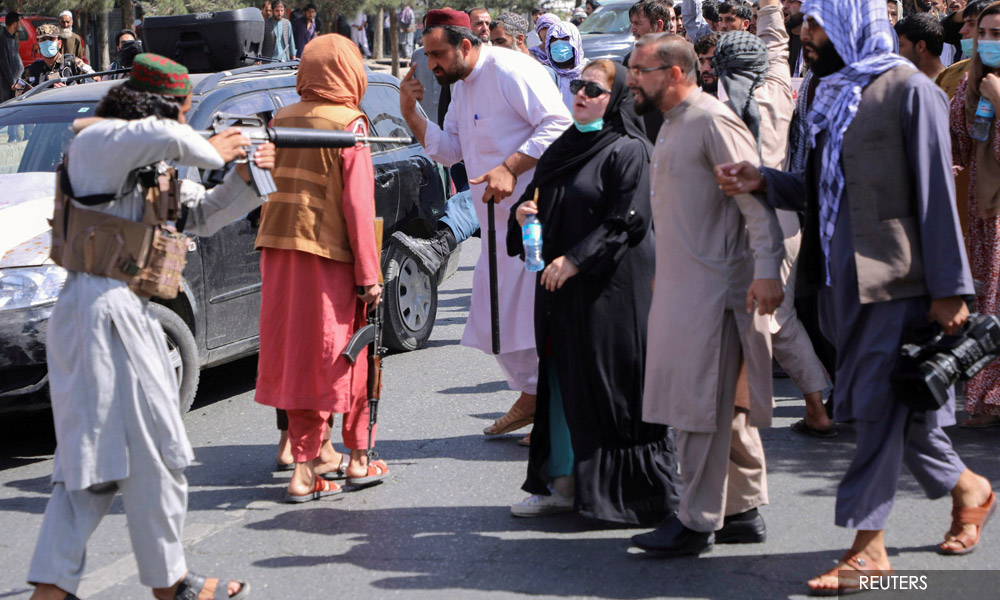
Although the Taliban promised they will strengthen women's rights this time around, very little has been done to support their claims so far.
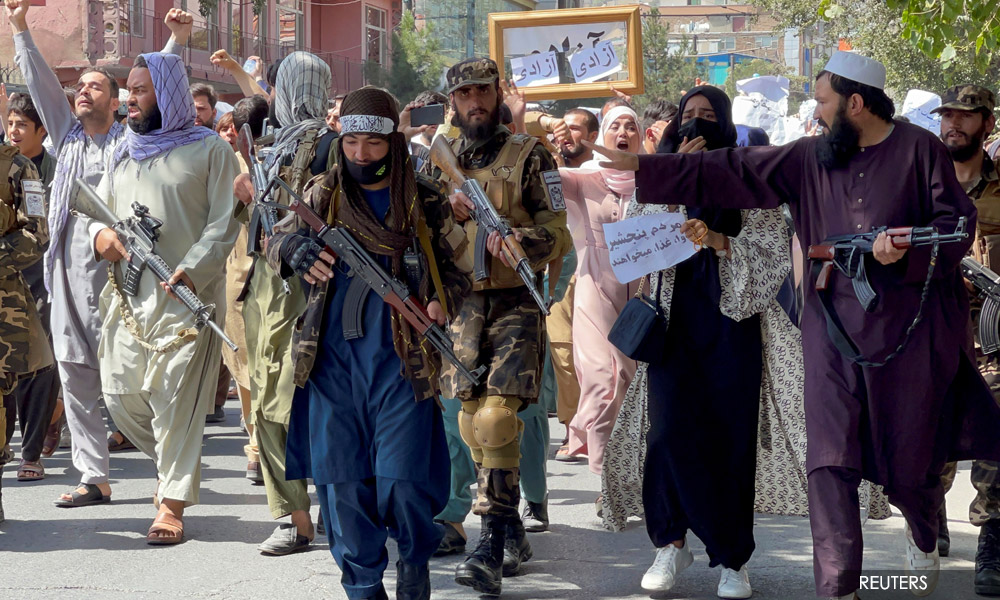
No woman has been appointed to the cabinet, and women are required to wear a full veil in public. Although working and education are allowed according to the Taliban, many women doubt the regime’s sincerity and feel the environment is too dangerous for them.
“I am very worried that girls are being targeted in universities and that a very tribal, extremist and ethnic government is being formed in Afghanistan, and this is not in the interest of the Afghan people.
“All the efforts made during these 20 years have unfortunately been thwarted and we see things moving backwards in Afghanistan,” Shahrzad said.
Message to Malaysians
Shahrzad believes many more horrible things are not being told to the world, as the local media in Afghanistan are constantly targeted by the regime.
He asked Malaysians not to believe the Taliban.
“My message to Malaysians is that the Taliban are not worth supporting. Because this is a religious extremist group that does not have the correct knowledge of Islam,” he said.
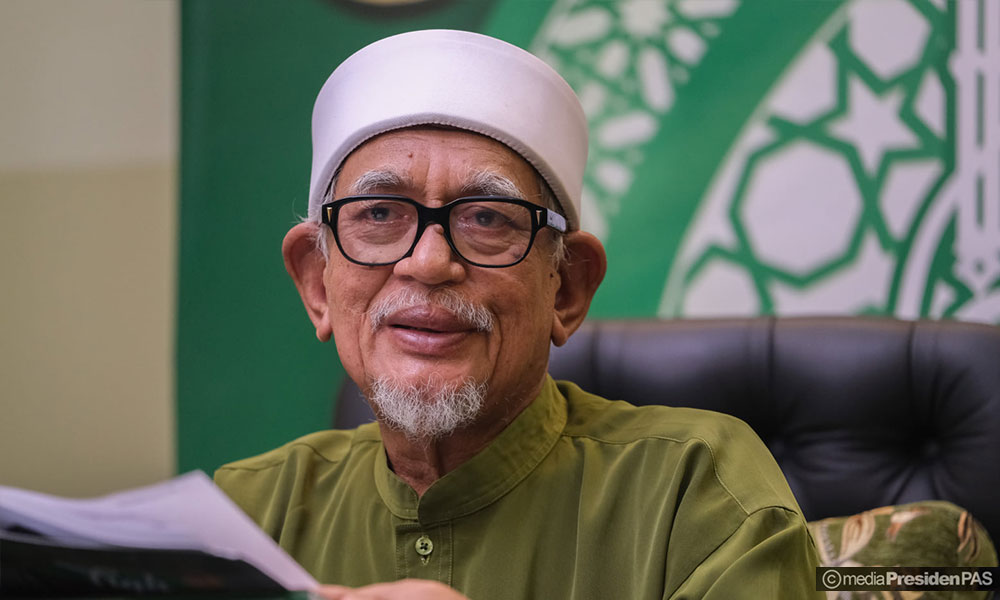
His message came amid several political leaders in Malaysia voicing their approval of the Taliban takeover, most notably from PAS president Abdul Hadi Awang, who said the Taliban has "changed for the better".
“In Islam, women need education. They need access to healthcare and other basic things of life.
“Why are they denying these things to women?” Shahrzad questioned.
He said the regime, which is predominantly ethnic Pashtuns, are targeting not just women, but also the minority ethnic groups, such as the Hazaras.
“They killed people from other ethnicities in Kabul, in Panjshir and in Bamyan. They just want to keep their power using the name of Islam.
“It is stated in Islam that if you shed the blood of one human being, it is equal to the blood of all human beings.
“They (the Taliban) still want to rule by killing people, and this shows that the Taliban have not changed in any way,” he added.
The war between the US and the Taliban, which lasted for two decades, claimed more than 200,000 lives.
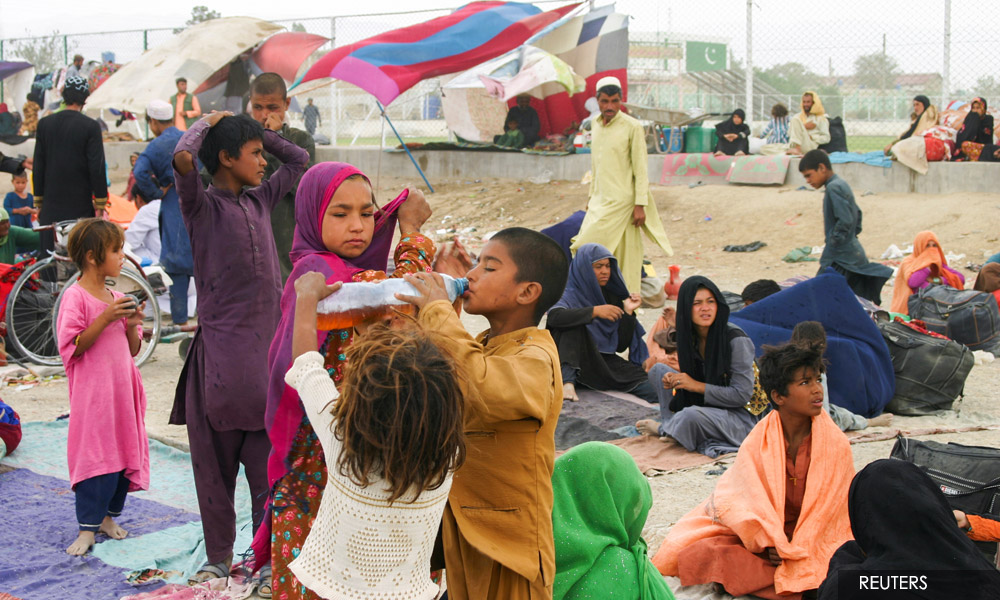
Some 2.2 million Afghans are registered refugees worldwide, according to United Nations High Commissioner for Refugees (UNHCR), making them the largest refugee population in the world.
Another 2.9 million people were internally displaced by the end of 2020, with UNHCR saying half a million more have joined them this year.
“I would love to forget everything, but it is not possible because it is my hometown.
“I grew up there, I studied, breathed in its climate and have many friends there,” Shahrzad said.
He admitted hope was running out fast for many Afghans, as those trapped in the country do not even have the means to escape.
“There is a very dark future, and it is not clear what will happen after this.
“People are experiencing a very difficult situation there, and people's lives are in direct danger. So I'm really worried about the situation in Afghanistan.”
For now, Shahrzad is doing all he can for his family here while trying to help his parents and many others in Afghanistan in whatever small way possible.
“One cannot be indifferent, especially to friends, to the people,” he added.


Are you sure you want to delete this comment?
This action cannot be undone.