




Suhakam rebuts home minister on citizenship ruling appeal
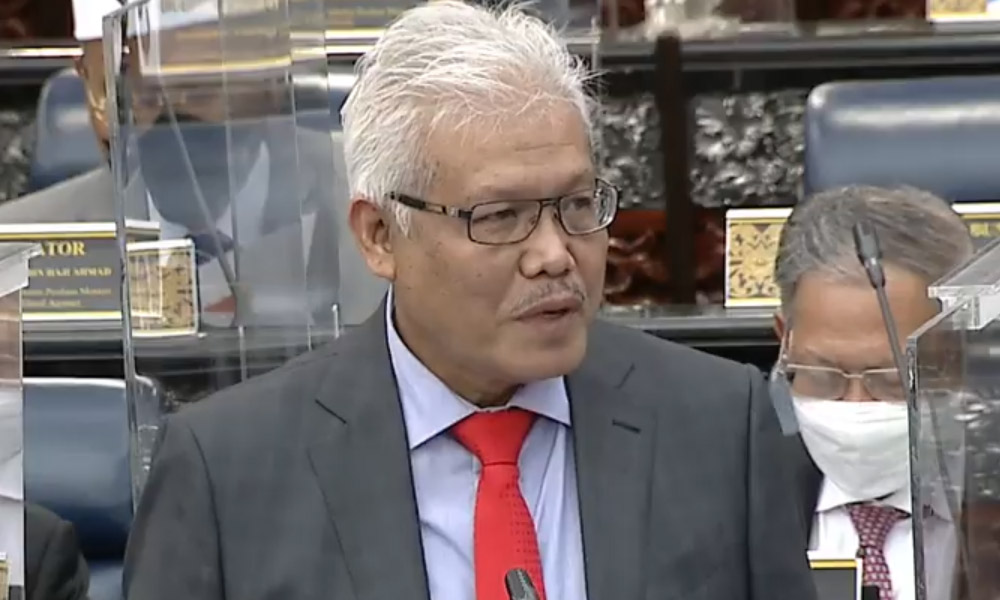
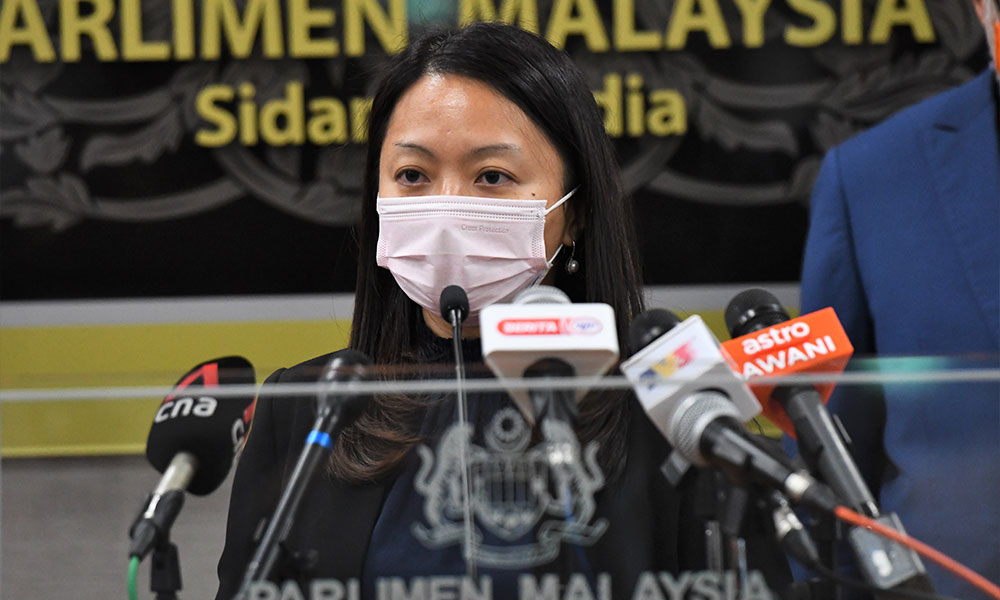
Suhakam's Commissioner for Children Noor Aziah Mohd Awal has rebutted Home Minister Hamzah Zainuddin's arguments defending the government's move to appeal against a decision on granting automatic citizenship to children born abroad to Malaysian women married to foreign spouses.
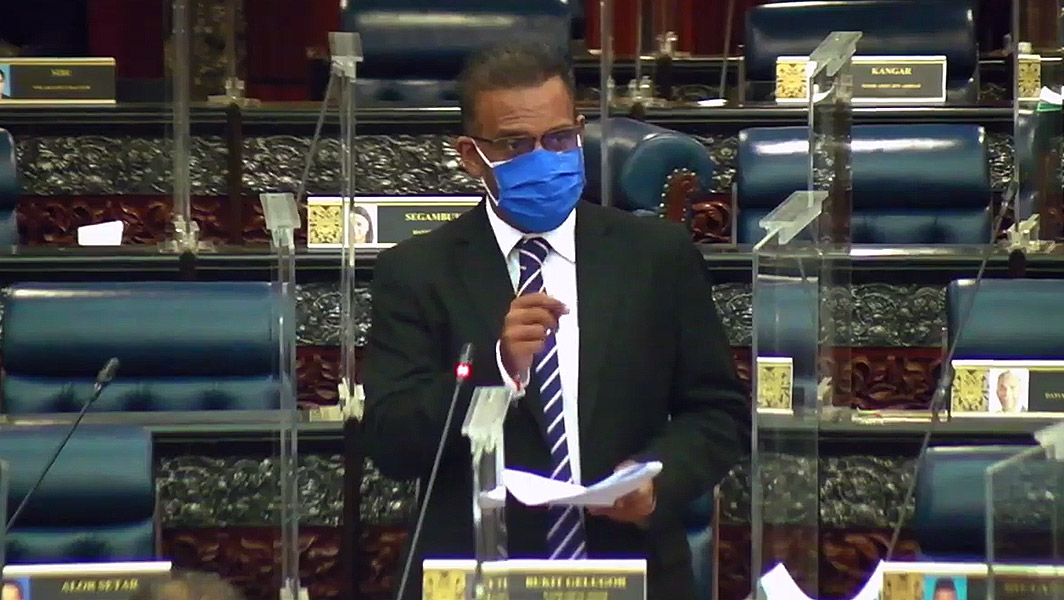
Citing Hamzah's winding-up speech in the Dewan Rakyat last week, Noor Aziah (above) said she was saddened by the appeal and that the minister's points were "untenable" for three reasons, including that one High Court is not bound by another High Court's decision.
"The ministry said that the decision of the Suriani Kempe case...
Suhakam's Commissioner for Children Noor Aziah Mohd Awal has rebutted Home Minister Hamzah Zainuddin's arguments defending the government's move to appeal against a decision on granting automatic citizenship to children born abroad to Malaysian women married to foreign spouses.
Citing Hamzah's winding-up speech in the Dewan Rakyat last week, Noor Aziah (above) said she was saddened by the appeal and that the minister's points were "untenable" for three reasons, including that one High Court is not bound by another High Court's decision.
"The ministry said that the decision of the Suriani Kempe case was in conflict with the decision of the Mahisha Sulaiha case in 2020 and the Federal Court decision on the CTEB (Chan Tai Ern Bermillo) case that was decided on early this year.
"The CTEB case must be distinguished with that of Suriani Kempe’s, as CTEB was on the illegitimate child whose mother was a foreigner and was then legitimated by the subsequent marriage of the biological father and mother," Noor Aziah said in a statement.
Hamzah had said the appeal is meant to buy time while the government looked into amending the Federal Constitution after the two different court rulings on related matters.

A judge has the power to interpret the Constitution
However, Noor Aziah argued that the issue of amending the Federal Constitution was irrelevant as a judge has the power to interpret the provisions of the law, including the Constitution, in order for justice to prevail.
"The judge was, in fact, interpreting Article 8(2) of the Federal Constitution, which is seen to be in conflict with Article 14(1)(b).
"By not appealing and instead opting to enforce the High Court decision, the government would be seen to be serving the best interest of children according to Article 3 of the Convention on the Rights of the Child (CRC), as well as ending the denial of mothers and children their citizenship, who have suffered for far too long," she said.
Noor Aziah stressed there is a real issue of gender discrimination in relation to nationality, under Article 14(1)(b) of the Federal Constitution, to children born overseas whose mother is Malaysian and father a foreigner.
On proposed amendments to the Constitution, she said there shouldn't be any delay, even with the requirement for the approval of the Conference of Rulers in accordance with Article 159(5).
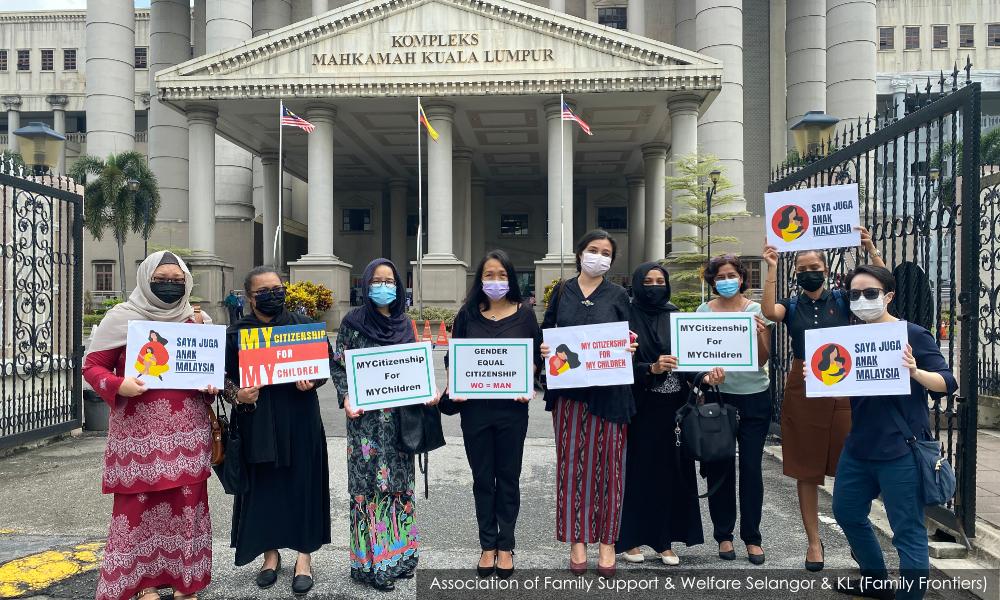
The government has appealed against the High Court decision of Sept 9, which declared that children born overseas to Malaysian mothers and foreign fathers are automatically entitled to Malaysian citizenship.
The verdict had allowed the citizenship suit by seven plaintiffs, namely six Malaysian mothers and Family Frontiers.
The government is the sole defendant.





Are you sure you want to delete this comment?
This action cannot be undone.