


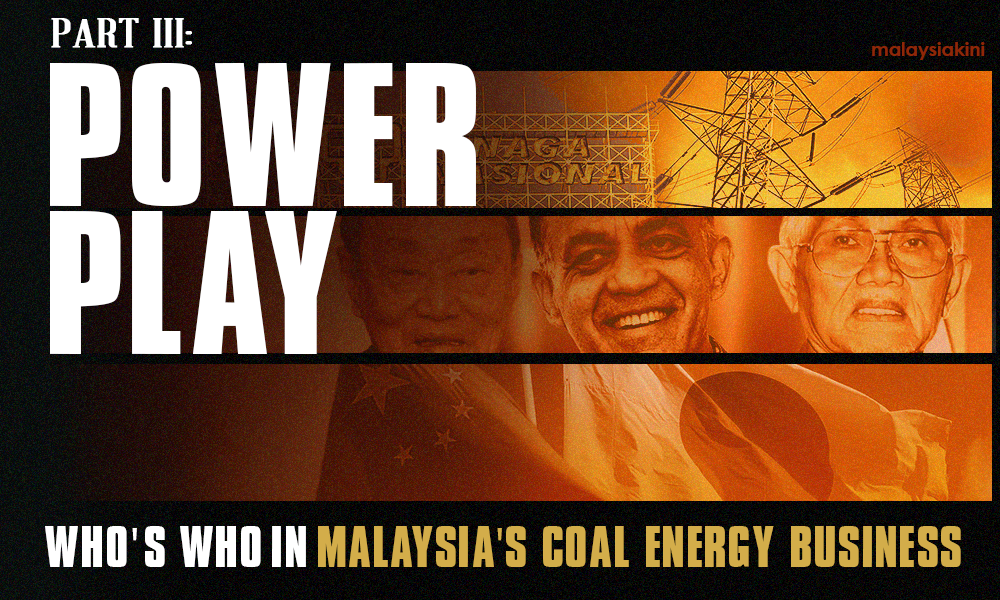

Power play: Who’s who in Malaysia’s coal energy business
Like many developing nations, Malaysia has a complicated love-hate relationship with coal.
Despite a commitment to reduce carbon intensity, Malaysia’s consumption of coal is only set to grow over the coming years.
This has also spelt big returns for a number of local and international players.
In this final instalment of Malaysiakini’s three-part series on the country’s coal energy industry, we look at the more prominent players that keep this business of coal running...
Like many developing nations, Malaysia has a complicated love-hate relationship with coal.
Despite a commitment to reduce carbon intensity, Malaysia’s consumption of coal is only set to grow over the coming years.
This has also spelt big returns for a number of local and international players.
In this final instalment of Malaysiakini’s three-part series on the country’s coal energy industry, we look at the more prominent players that keep this business of coal running.
Power production and main producers
Tenaga Nasional Berhad
Tenaga Nasional Berhad (TNB), Malaysia’s largest utility company, controls almost all areas of electricity production in the peninsula — from coal supply to power generation and distribution — through a network of subsidiaries.
For example, TNB Power Generation Sdn Bhd (GenCo) is principally in charge of the ownership and management of domestic power plants, while TNB Fuel Services Sdn Bhd (TNBF) handles the import and shipping of coal.
Even so, TNB, which has outright ownership of a number of coal-fired electricity-producing plants in Peninsular Malaysia, has said Jimah East Power will be its last coal facility and that the company will no longer invest in greenfield coal plants.
Yet, despite this, coal is expected to feature prominently as an energy source over the next two decades.
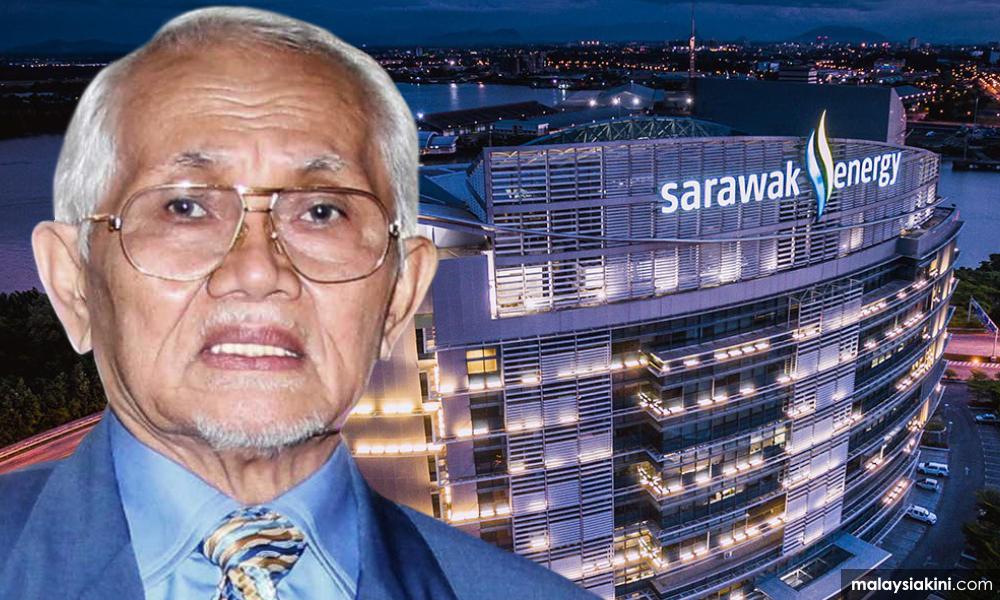
Sarawak Energy Berhad
Sarawak Energy Berhad (SEB), the state-owned utility company, oversees all areas of power generation in Sarawak and is involved in the entire coal value chain.
In terms of coal-fired facilities, SEB owns and runs three plants — in Sejingkat, Mukah and the latest in Balingian.
Sarawak began seriously developing coal during former chief minister Abdul Taib Mahmud’s three decades at the helm. There have been numerous claims of companies and individuals linked to Taib controlling various aspects of the state’s coal industry or awarded SEB contracts.
In early 2020, it was reported that Osho Ventures, a conglomerate based in India and South Africa, was looking at mining coal in the state. One report linked individuals in the proposed venture to Taib. There has been no update since.
Note, however, that coal power makes up just 13 percent of Sarawak’s energy generation mix.
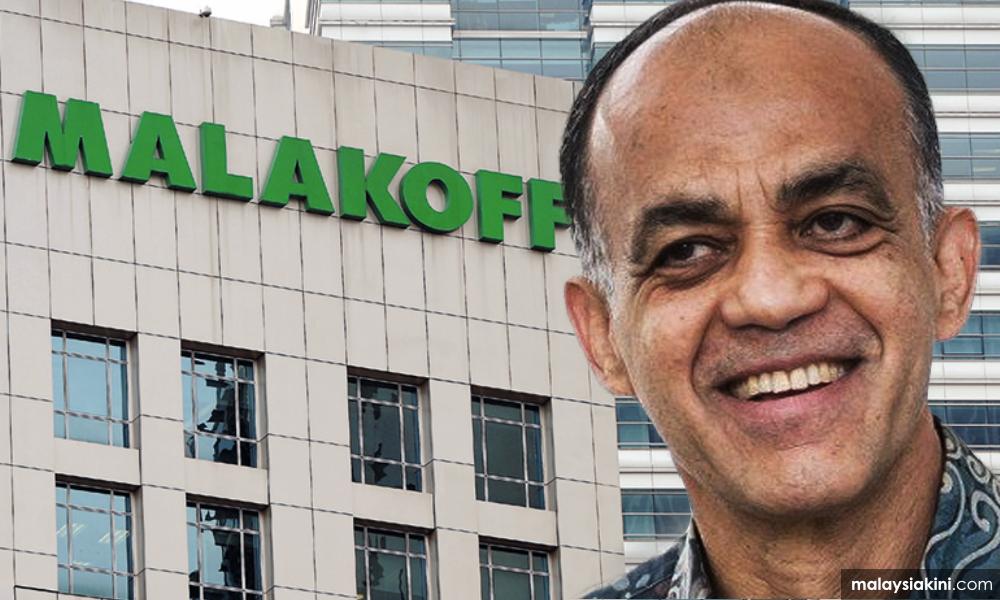
Malakoff Corporation Berhad
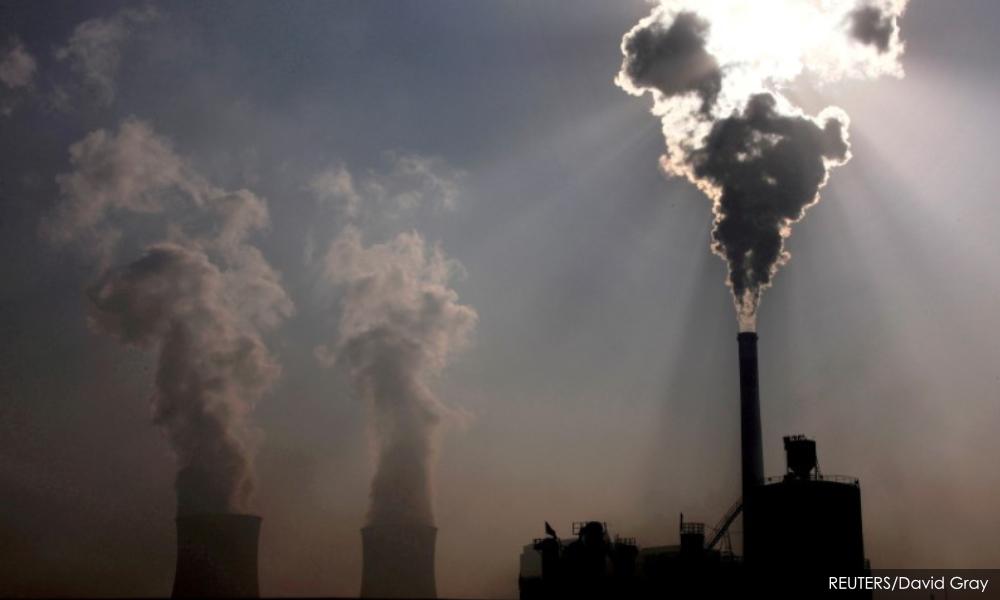
Malakoff Corporation Berhad is the biggest independent power producer with six power plants; two of which are coal-fired facilities.
The two coal facilities — Tanjung Bin Power as well as the ultra-supercritical Tanjung Bin Energy plant in Johor — account for over 60 percent of the company’s revenue.
Malakoff also has joint ownership with TNB of Kapar Energy Ventures, a mixed fuel (gas, oil and coal) power plant.
The company had previously said that it was looking at expanding its power portfolio with more coal-fired facilities. However, lower returns and the stigma attached to coal appear to be signalling a shift in focus to renewable energy.
Malakoff is indirectly controlled through shareholdings in MMC Corporation Berhad by billionaire Syed Mokhtar Albukhary.
Shipping of coal: TNB Fuel Services Sdn Bhd
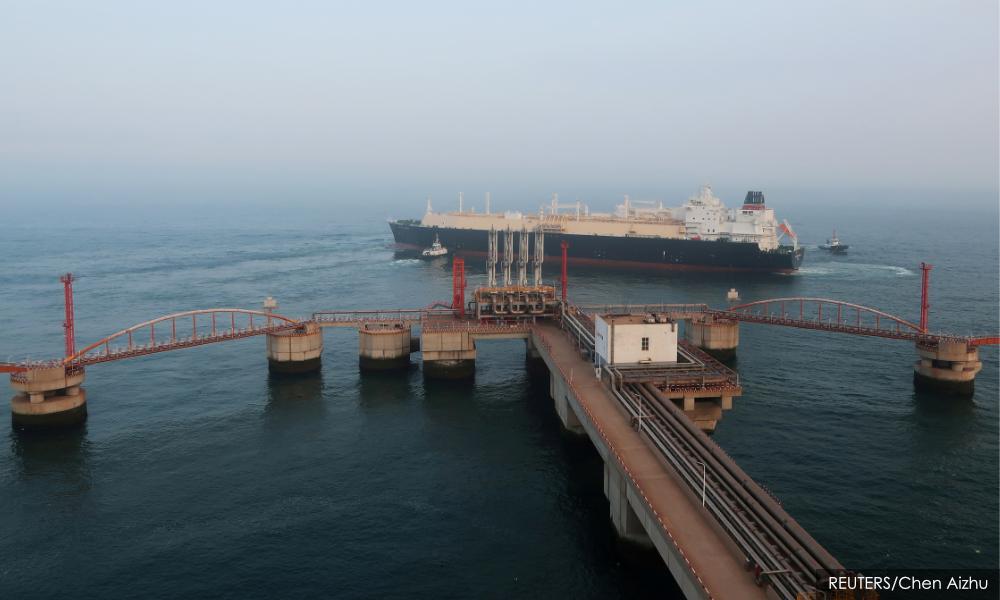
All the coal used for power generation in Peninsular Malaysia is imported — from Indonesia, Australia, Russia and South Africa — by TNB Fuel Services Sdn Bhd (TNBF), which also doles out contracts for coal carriage.
TNBF recently restructured its shipping contracts so that only companies that own Malaysian-flagged vessels can carry coal.
As a result of this move, it is estimated that only five companies are able to participate in tenders for the shipping of coal.
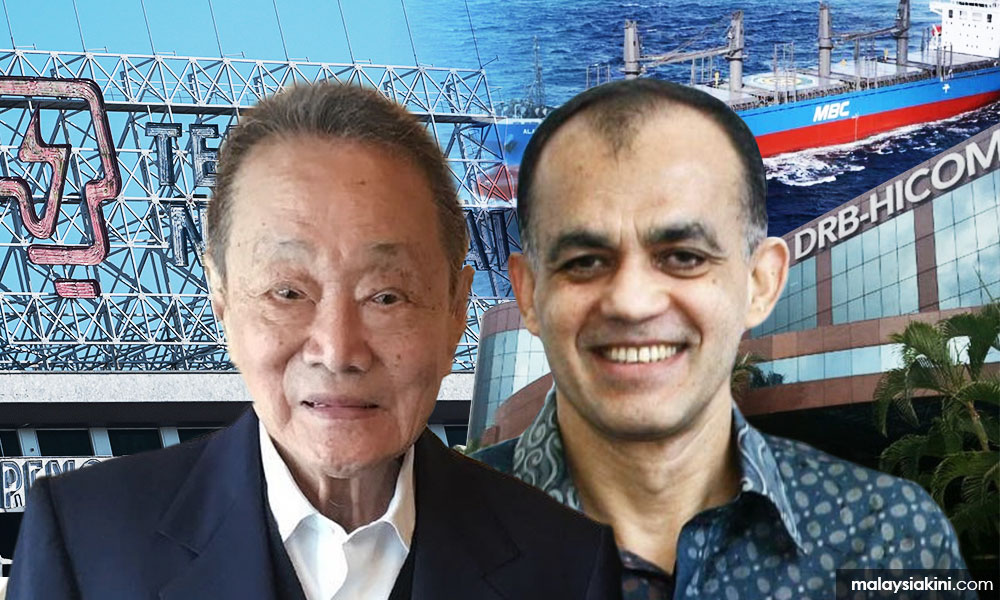
Among these are Malaysian Bulk Carriers Berhad, in which the largest shareholders are tycoon Robert Kuok and PNSL Berhad.
PNSL Berhad is a unit of Pos Malaysia Berhad, which, in turn, is controlled by DRB-Hicom Berhad, one of Syed Mokhtar’s main companies.
Overseas beneficiaries
China
Owned by the Chinese government, China General Nuclear Power Group (CGN) is the largest nuclear power player in China.
It acquired Edra Global Energy (now Edra Power Holdings Sdn Bhd) in 2016 following the sale by 1Malaysia Development Berhad (1MDB) of all the sovereign fund’s energy assets.
Edra owns a controlling stake in the Jimah Energy Venture power plant in Negeri Sembilan. The remaining interest in the plant is held by TNB.
Chinese companies are further involved in the building of power stations.
The Balingian power station, for instance, was constructed following the inking of a building contract in 2014 with Shanghai Electric Group Co Ltd.
The Tanjung Bin station, meanwhile, uses boilers manufactured by the Wuhan Boiler Company (WBC).
Japan
Japan has interests in Malaysia’s coal landscape via its companies.
In terms of ownership of plants, Mitsui & Co Ltd and Chugoku Electric Power Co Ltd each have a 15 percent stake in Jimah East Power, one of Malaysia’s newest coal-fired plants. The balance 70 percent is held by TNB, which acquired it in 2015 from 1MDB.
Funding is also a factor.
The expansion of the Tanjung Bin power station, for instance, saw Sumitomo Mitsui Banking Corporation and Mizuho Financial Group financing the project.
It must be noted, however, that financing was closed in 2012 and both Sumitomo and Mizuho have pledged to not fund new coal ventures. The latter, however, has said it might provide funding on a case-by-case basis.
RELATED STORIES:
Part 1: Shedding coal: The good, the bad, the ugly of Malaysia’s coal power industry
Part 2: Power and money: Is Malaysia still banking on coal?
This series of articles is supported by the Judith Neilson Institute’s Asian Stories project, in collaboration with Tempo, the Centre for Media and Development Initiatives, Tansa, The Australian Financial Review, and Korea Center for Investigative Journalism (KCIJ)-Newstapa.



Report this comment
Are you sure you want to delete this comment?
This action cannot be undone.