


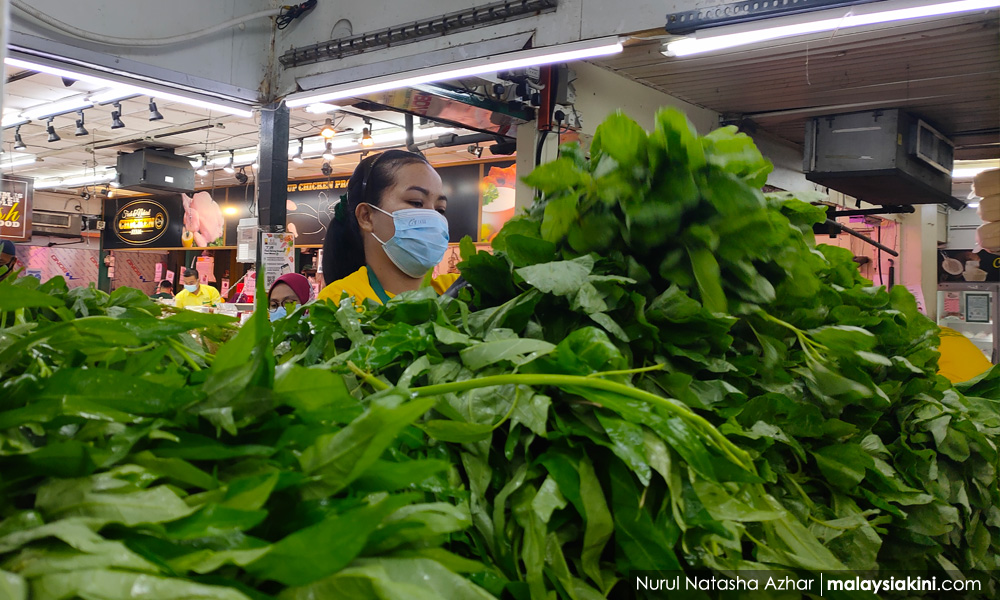

Are middlemen the cause of high veggie prices?
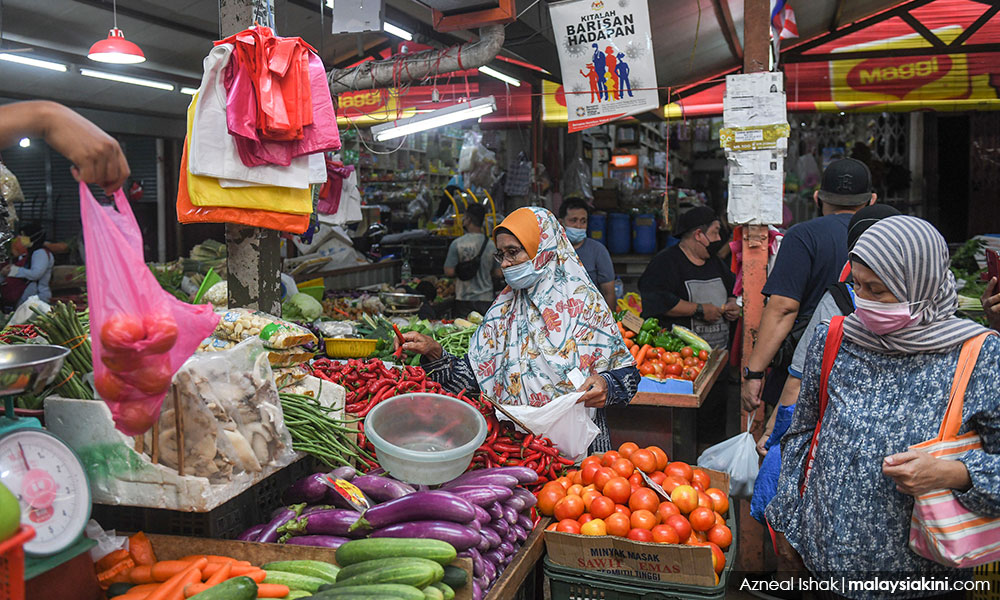
It's not just consumers who are expressing concern over rising vegetable prices but farmers too, claiming that middlemen are contributing to the problem.
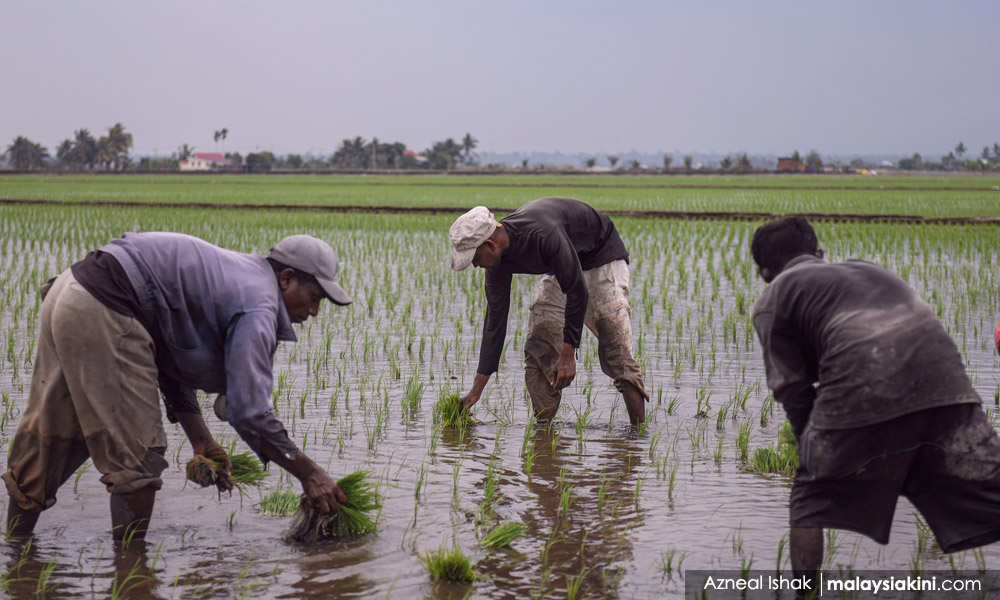
Maharam Mohd Tahir, who grows mustard greens (sawi) and corn, is puzzled by how the prices of vegetables, including cauliflower, water spinach (kangkung) and chillies, could increase by more than 50 percent when farmers like him are still selling their crops to wholesalers at low prices.
“Imagine, we sell our sawi for RM1.30 per kg, but in the market, it is sold at RM6 - RM7 per kg.
“So the question is who is...
It's not just consumers who are expressing concern over rising vegetable prices but farmers too, claiming that middlemen are contributing to the problem.
Maharam Mohd Tahir, who grows mustard greens (sawi) and corn, is puzzled by how the prices of vegetables, including cauliflower, water spinach (kangkung) and chillies, could increase by more than 50 percent when farmers like him are still selling their crops to wholesalers at low prices.
“Imagine, we sell our sawi for RM1.30 per kg, but in the market, it is sold at RM6 - RM7 per kg.
“So, the question is, who is controlling the rising prices? Maybe it is the middleman or trader,” he told Bernama when met at the Permanent Food Production Park (TKPM) in Ara Kuda in Butterworth, Penang, yesterday.
Maharam who runs a 6ha farm with his friend Asmida Mohamad, said the surging prices are not profiting farmers because they still have to bear the rising cost of fertilisers and pesticides, in addition to salaries.
“Fertiliser and pesticide prices have increased. Imported fertilisers used to cost around RM110 for 50kg. Now, it has hit RM160.
“The increase in vegetable prices isn’t bringing profit to farmers. Usually, the middleman plays a big role in this situation,” Maharam said.
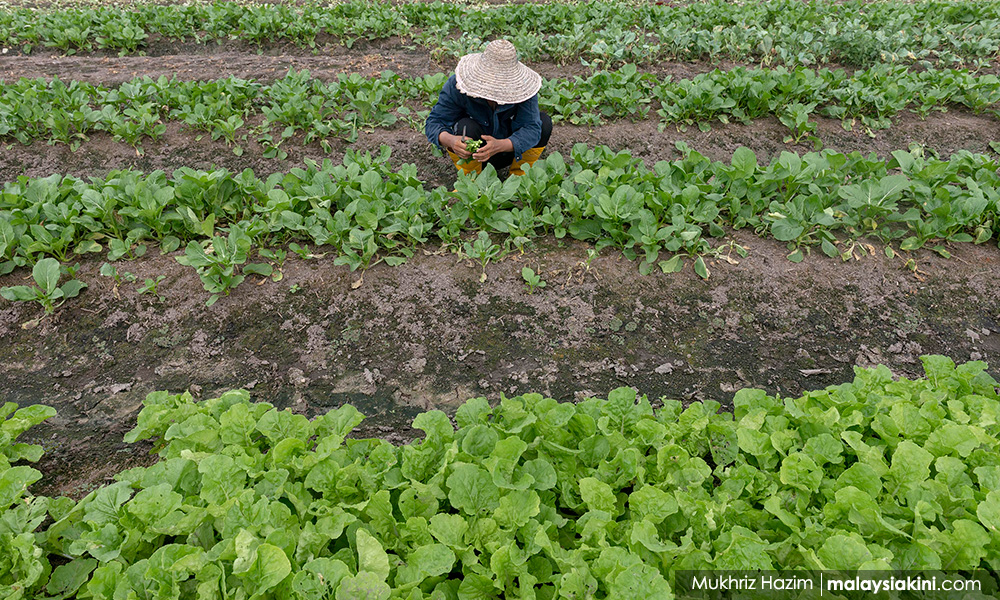
Teow Chun Tong, 47, who has been growing sawi, water spinach and red amaranth (bayam merah) for 10 years, said that the price hike is impacting farmers and consumers.
“Farmers will face losses when crops fail due to the weather. It is beyond our control.
“The continuous (rainy) weather will certainly affect our fertilised plants… eating away at the capital. So there is a slight increase in the prices, but not an exorbitant amount like in the market,” he added.
Teow said everybody has a part to play in controlling the prices of vegetables, since the country is still recovering from the Covid-19 pandemic and trying to deal with the rising cost of living.
“If possible, all of us, including middlemen, should avoid raising prices too much on the excuse of weather, transportation cost, etc.
“In my opinion, farmers are more affected by the costs that must be borne, but we still give them (wholesalers) a low price. Don’t go overboard (on the price),” Teow added.
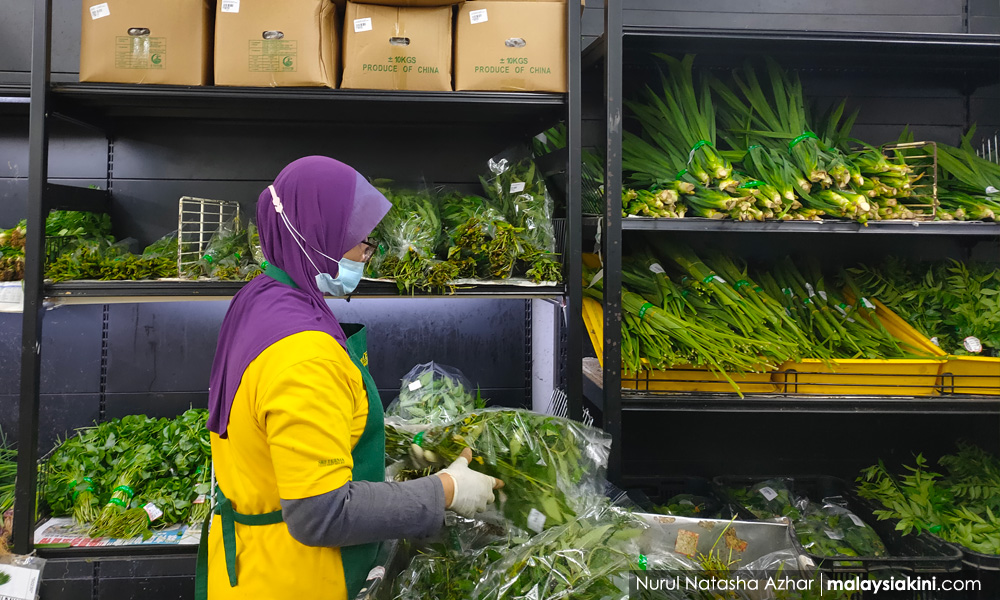
Recently, the Consumers Association of Penang (CAP) urged the authorities to monitor the situation closely, following complaints about drastically high prices, such as cauliflower reportedly costing RM16 per kg, up from RM7; bok choy (sawi pendek) RM9, up from RM3; broccoli RM20 up from RM8; sawi RM8, up from RM5; green beans RM15, up from RM8; cabbage RM6, up from RM4; red chillies RM19, up from RM13; and green chillies RM14, up from RM10.
Following this, the Domestic Trade and Consumer Affairs Ministry's Penang director, Mohd Ridzuan Ab Ghapar, said in a statement on Nov 23 that the enforcement division has conducted checks and served vegetable importers and wholesalers with the Goods Information Verification Notice (NPMB) for them to provide price data.
- Bernama



Report this comment
Are you sure you want to delete this comment?
This action cannot be undone.