


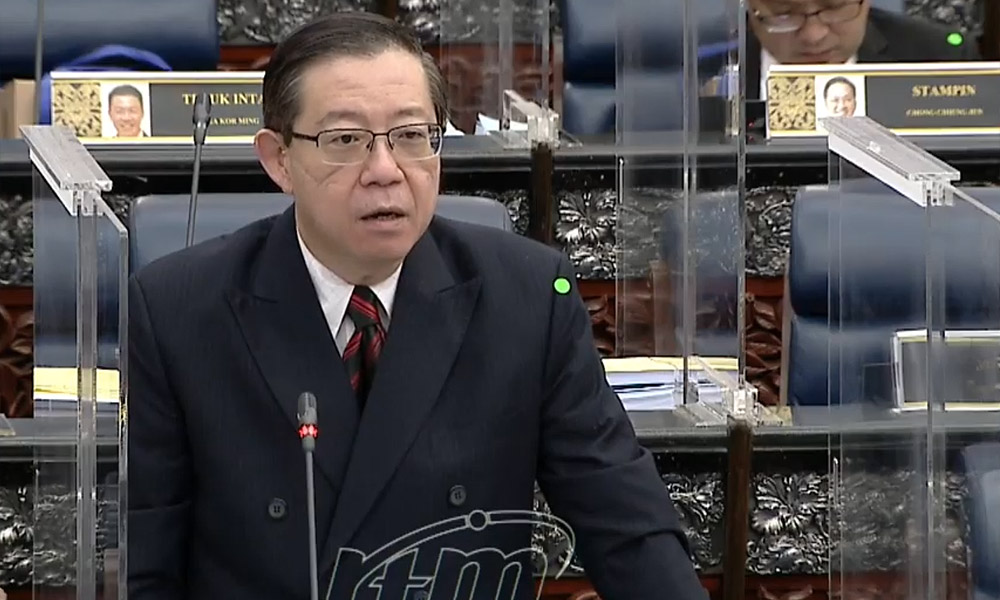

Guan Eng: Inject RM3b from windfall tax to subsidise rising prices
Former finance minister Lim Guan Eng is proposing a RM3 billion injection from proceeds from the prosperity/windfall tax into a National Price Stabilisation Fund that provides incentives to increase production and supply as well as partly subsidise costs to slow down the increase in prices of basic goods.
He said in a statement today that such a National Price Stabilisation Fund would also help to temper extreme volatility in prices by sourcing directly from producers or reducing logistic costs.
"Under Budget 2022, the allocations provided are too small such as RM200 million to help reduce prices of essential goods for residents living in rural areas...
Former finance minister Lim Guan Eng is proposing a RM3 billion injection from proceeds from the prosperity/windfall tax into a National Price Stabilisation Fund that provides incentives to increase production and supply as well as partly subsidise costs to slow down the increase in prices of basic goods.
He said in a statement today that such a National Price Stabilisation Fund would also help to temper extreme volatility in prices by sourcing directly from producers or reducing logistic costs.
"Under Budget 2022, the allocations provided are too small such as RM200 million to help reduce prices of essential goods for residents living in rural areas as well as on islands, RM400 million for the price stabilisation scheme for cooking oil, and RM40 million subsidy for general use flour.
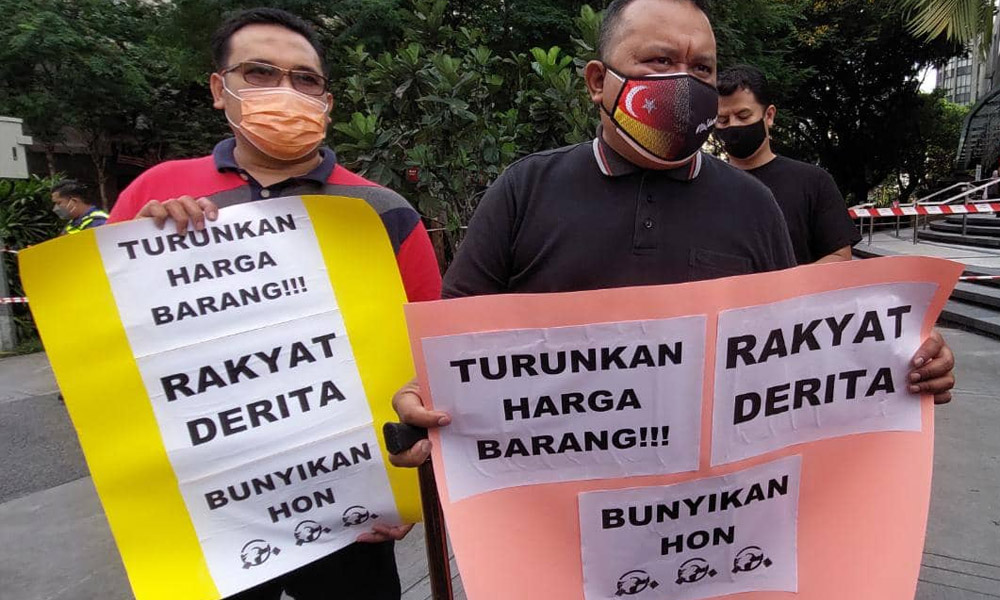
"The country is facing a national crisis of inflation of unprecedented proportions following soaring food prices, basic necessities as well as construction costs.
"The federal government must take responsibility for failing not just to anticipate but also handle this crisis by requiring the full attention of the prime minister and the National Recovery Council (NRC), which appears to be sleeping on the job," he said.
Sparring session
In October, Finance Minister Tengku Zafrul Abdul Aziz announced a one-off 33 percent "Cukai Makmur" (prosperity tax) on companies with chargeable income over RM100 million for the year of assessment 2022.
The "Cukai Makmur" is a one-off tax measure introduced by the federal government in Budget 2022, whereby chargeable income above the RM100 million mark will be taxed at a rate of 33 percent, instead of the blanket 24 percent rate previously.
Tax is levied on a company's chargeable income and not its net profit.
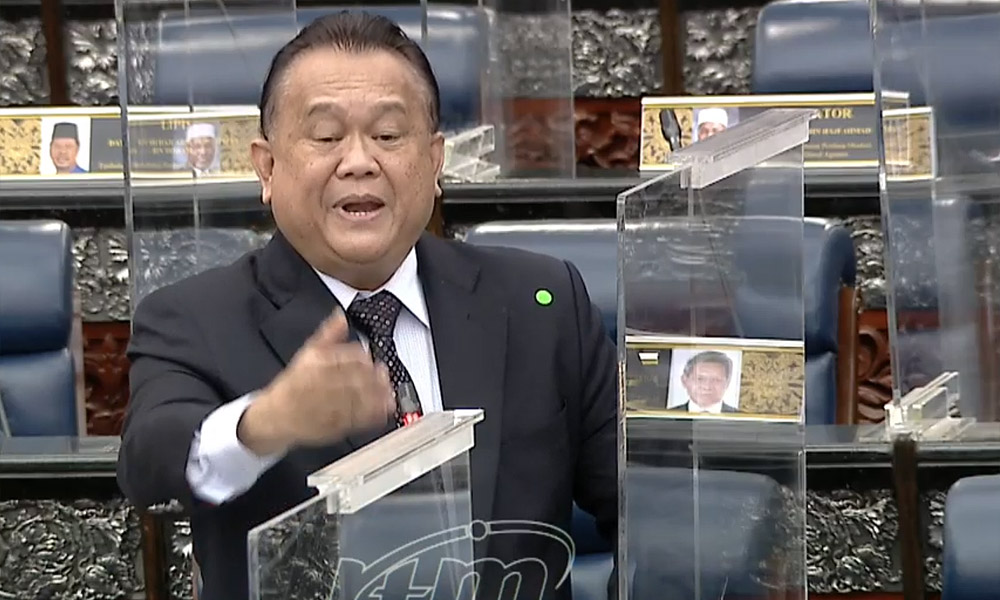
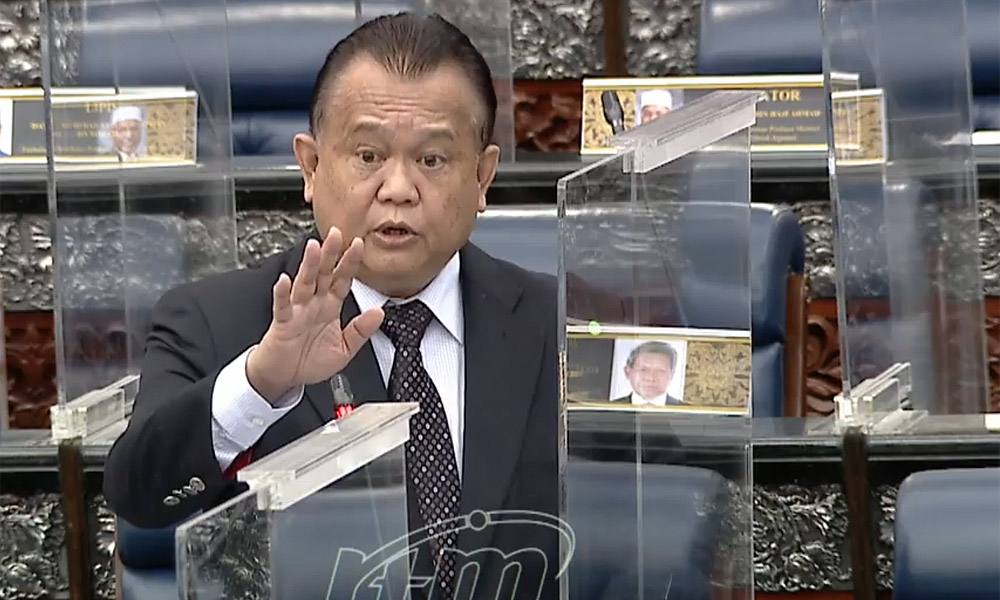
Yesterday, Bagan MP Lim engaged in a sparring session in the Dewan Rakyat with Domestic Trade and Consumer Affairs Minister Alexander Nanta Linggi over the issues, inspiring the trading of 'quit dares' between the government and opposition.
Alexander said his ministry is now engaging with other ministries as the problem was not exclusive to his jurisdiction alone and involve the supply chain, plantations and farms which are out of his hands.
Lim said today that the federal government appears inert and incapable of handling this new national crisis.
Same faces
"Alexander has even flip-flopped by backtracking from his own statement to take responsibility if he cannot reverse the soaring prices of basic necessities by Dec 9.
"Malaysia cannot afford to fail anymore following the previous failure in managing the twin crisis of economic recession and the Covid-19 pandemic resulting in a horrific death toll of 30,425, and 2,626,879 infections as of Nov 30.
"Even though Muhyiddin Yassin has resigned as prime minister, the same faces who were responsible for the failed government are still in the current cabinet," he said.
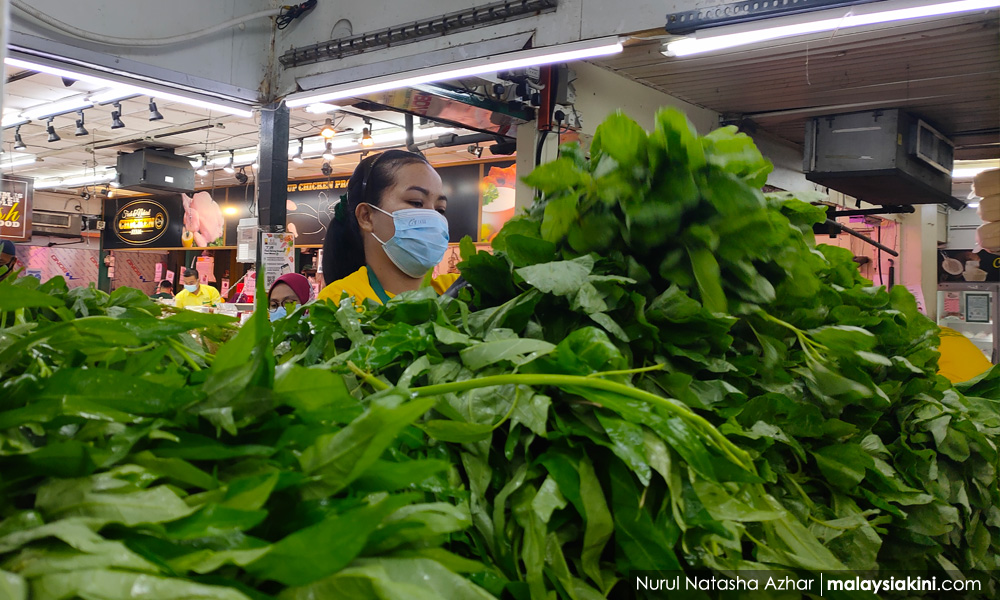
"This is not about soaring prices for eggs, chickens, bread, vegetables, cooking oil and even ice cubes.
"This is also not just about the prices of imported fertilisers and insecticides as well as construction costs rising unchecked.
"More importantly, this is about the people’s sufferings and livelihood when their purchasing power is halved, with daily necessities that are not luxury goods but sold at luxury prices," he said.
Lim claimed that with prices escalating and people's salaries not going up but remaining stagnant, whatever added financial assistance given by the government has been totally negated.
"The government should stop pinning the blame solely on traders, farmers or businesses when they are also victims of high prices imposed upon them by the forces of supply and demand, rising logistics and transport costs.
"Action taken to punish all traders is merely to cover up the failure of an ineffective minister but does not solve the problem of soaring prices but may make the problem worse with supply shortages," said Lim.



Report this comment
Are you sure you want to delete this comment?
This action cannot be undone.