



PHOTO ESSAY | Home of the oldest charcoal producer
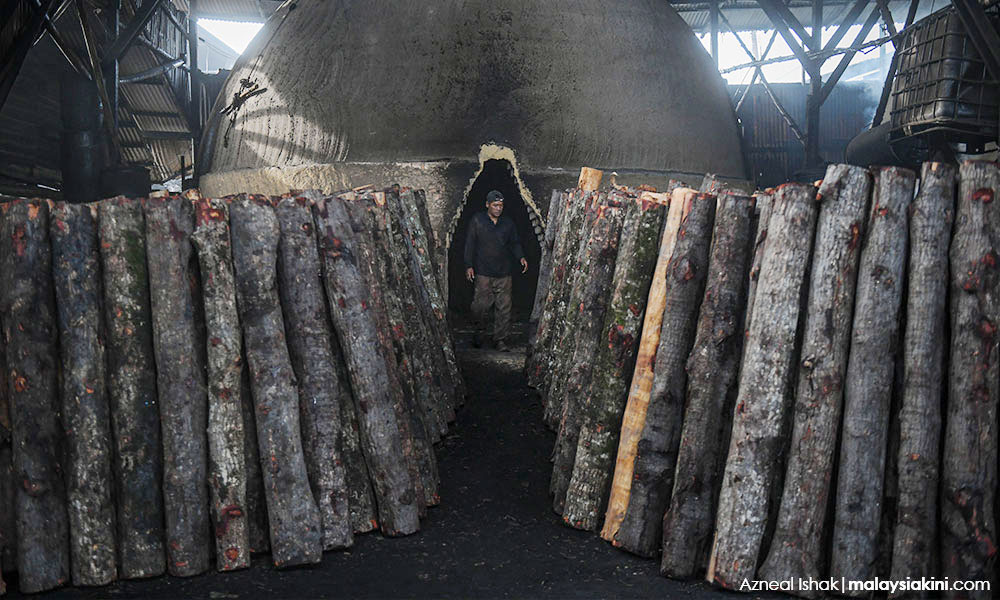
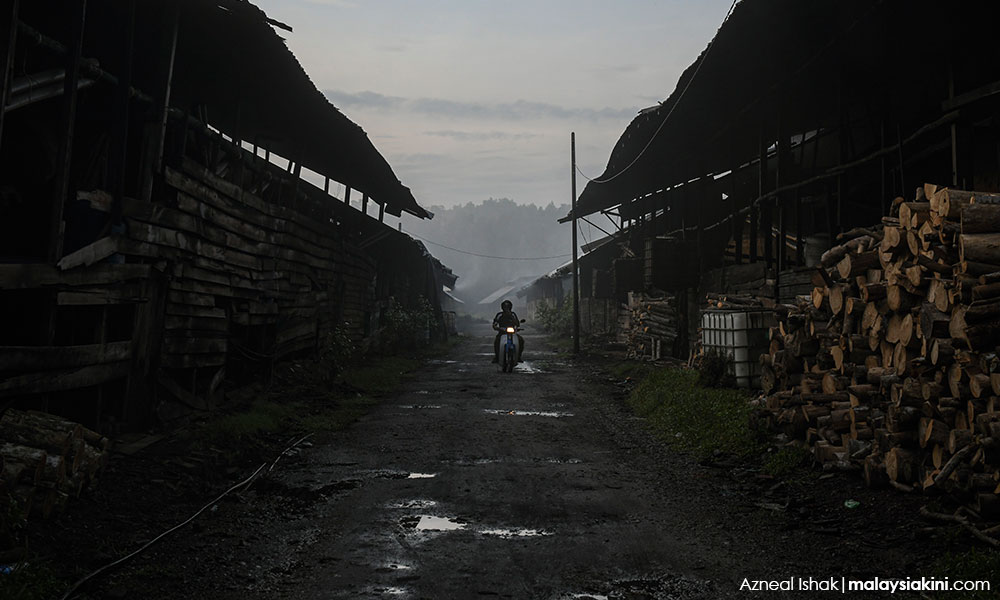
PHOTO ESSAY | Kuala Sepetang in Perak, or its old name Port Weld, a coastal town about 16km from Taiping, is not only famous for being the site of the first railway station in Malaysia, but also home to the country’s oldest charcoal factory.
The Kuala Sepetang Charcoal Factory, which was established in 1930, often receives a high demand for its charcoal as it produces one of the world’s best.
However, the production process is not as easy as one might think...
PHOTO ESSAY | Kuala Sepetang in Perak, or its old name Port Weld, a coastal town about 16km from Taiping, is not only famous for being the site of the first railway station in Malaysia, but also home to the country’s oldest charcoal factory.
The Kuala Sepetang Charcoal Factory, which was established in 1930, often receives a high demand for its black porous carbon as it produces one of the world’s best charcoal.
However, the production process is not as easy as one might think.
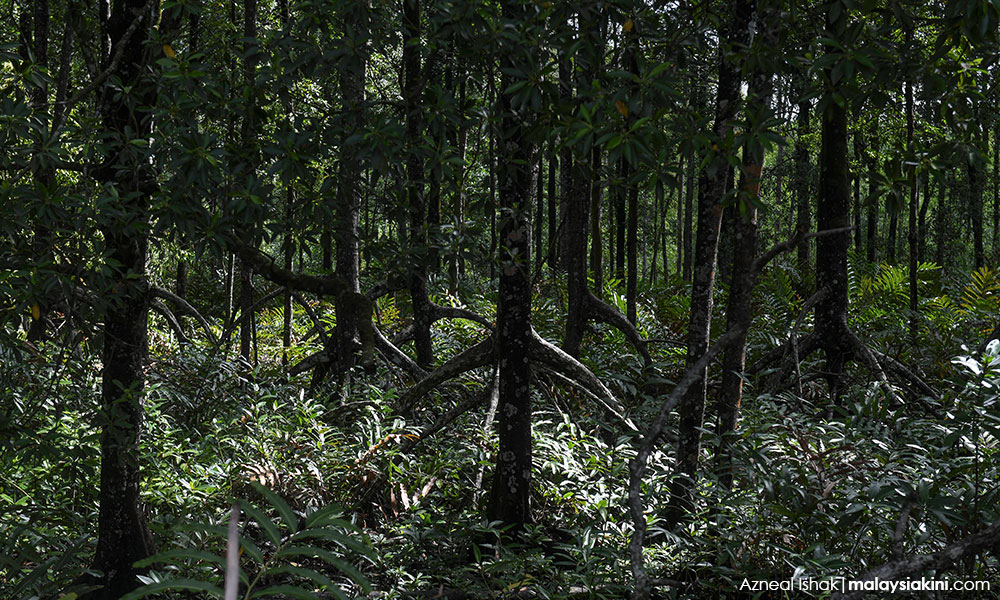
The process begins by cutting down two types of mangrove trees, namely kurau (Rhizophora mucronata) and bakau minyak (Rhizophora apiculato) aged at least 30 years to be made into charcoal.
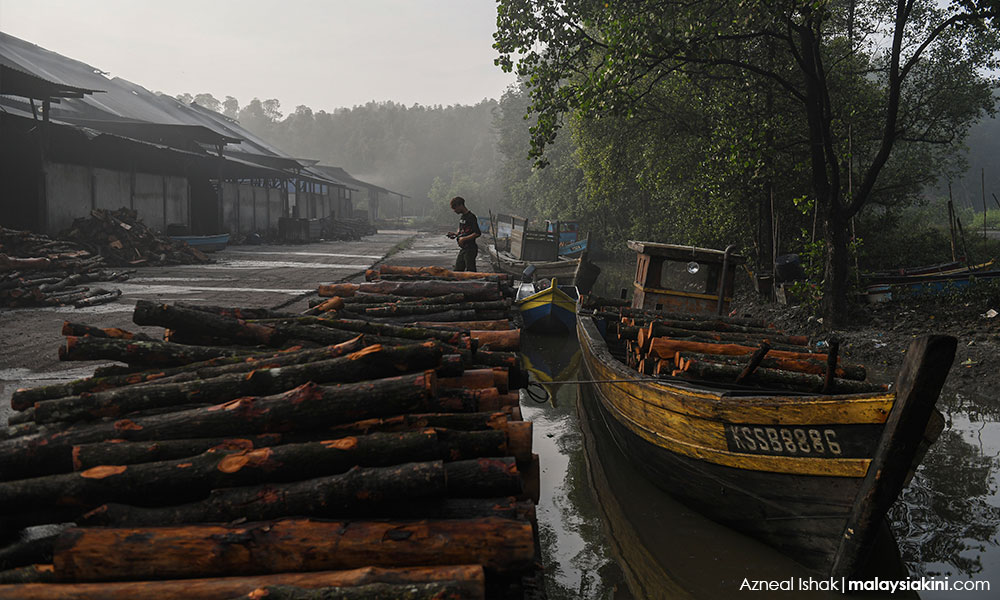
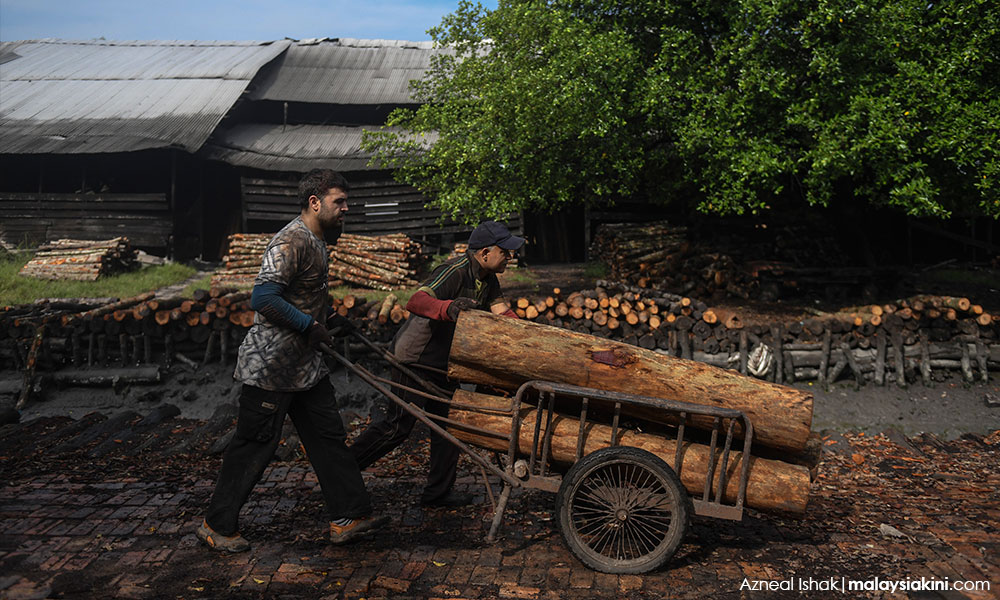
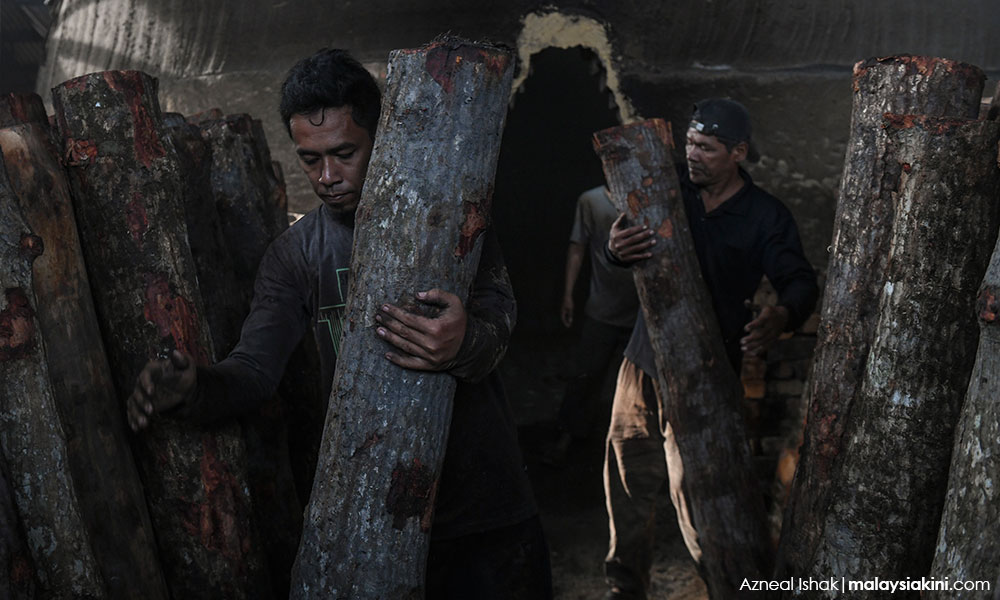
To produce the best charcoal, the woods will be burnt in a kiln with limited access to air in three stages, and this will take about a month.
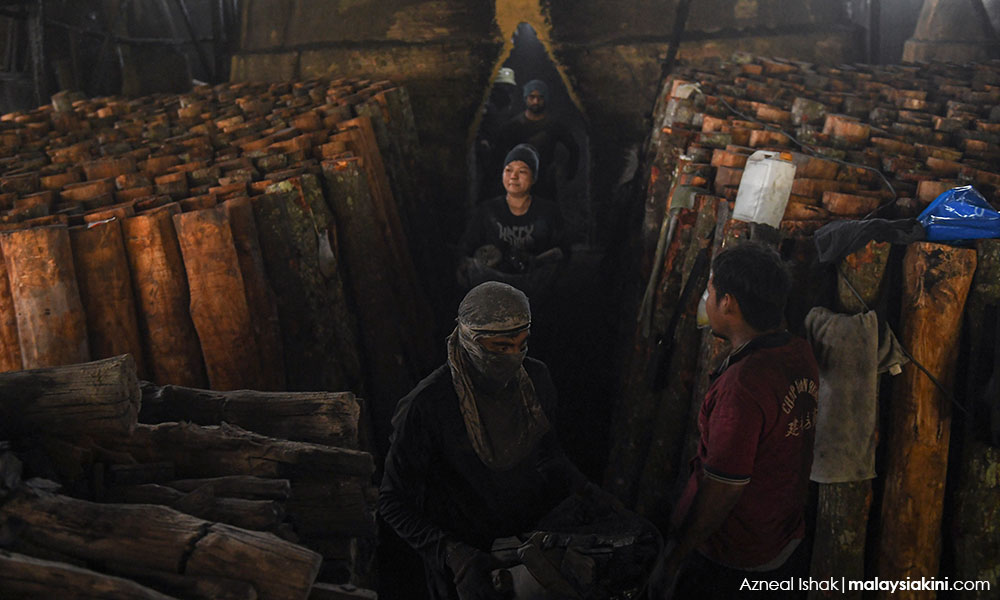
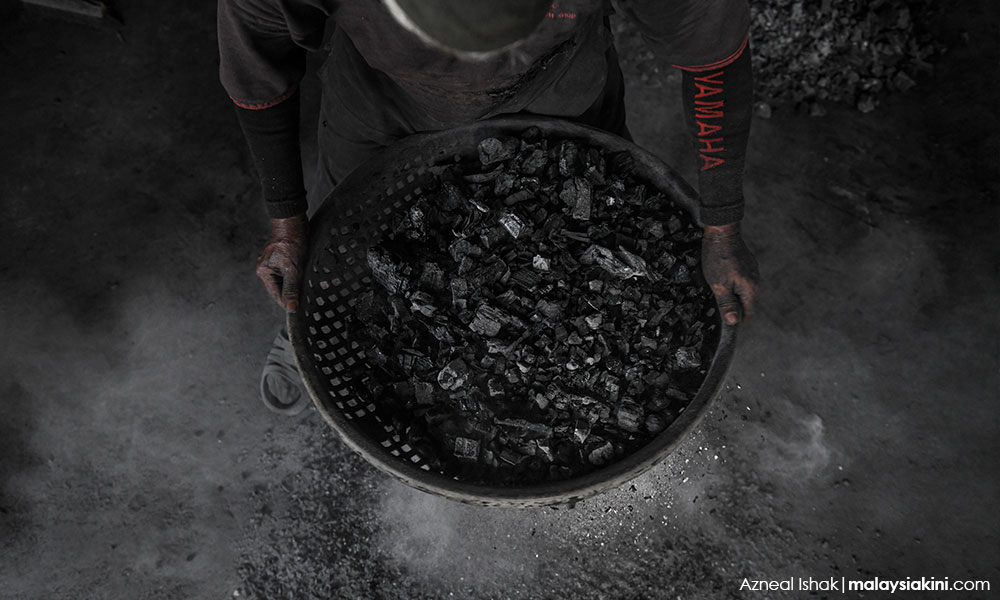
The burning process will start with high heat and low heat for 20 days before closing the kiln completely for 10 days as part of the cooling process.
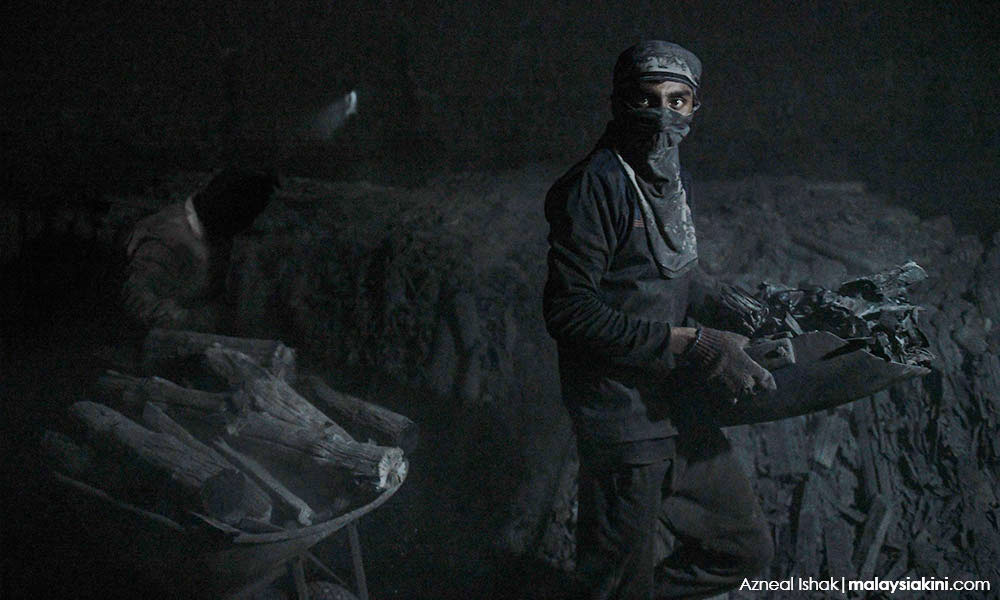
The quality of the charcoal can be assessed by the colour of the smoke, or by checking the humidity of the steam.
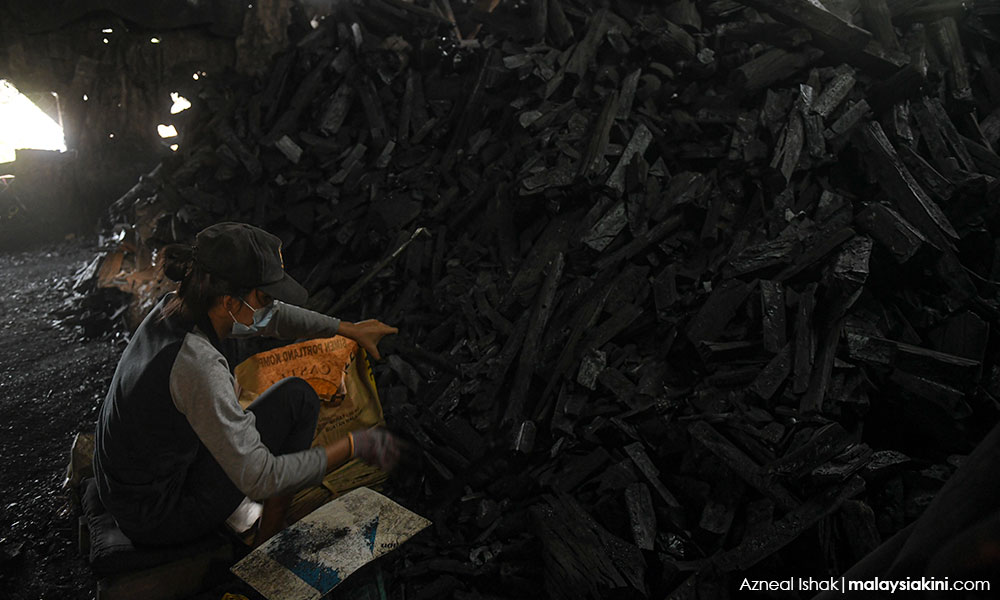
After the cooling process, the charcoal will be weighed in, loaded onto a lorry and sent to the final processing factory to be made into various products.
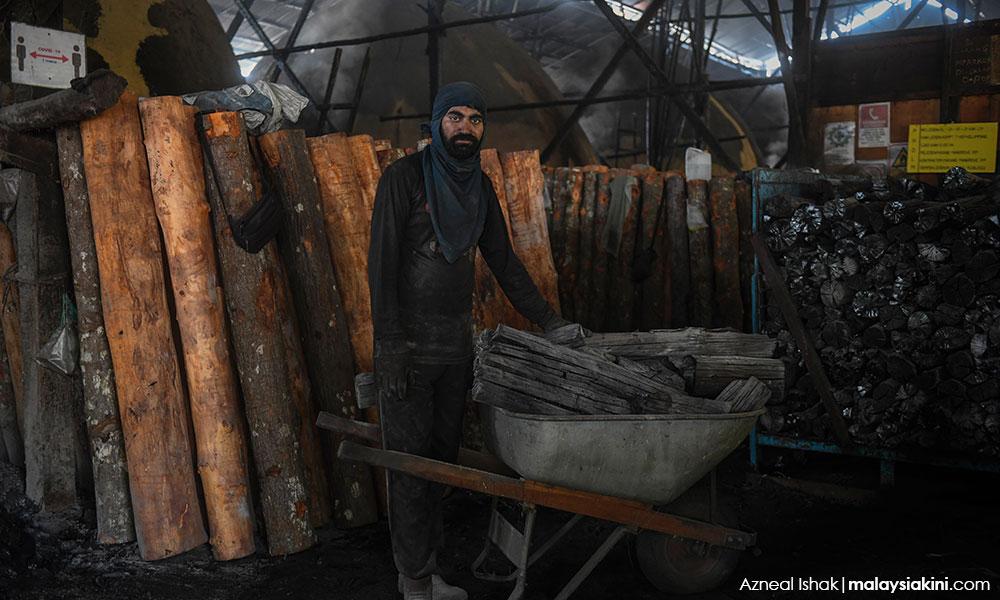
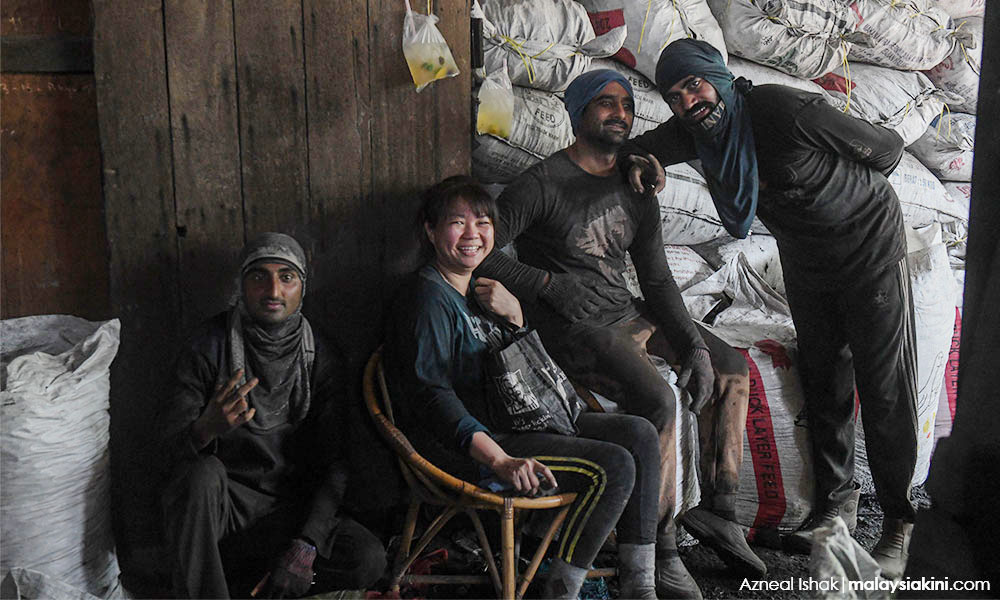
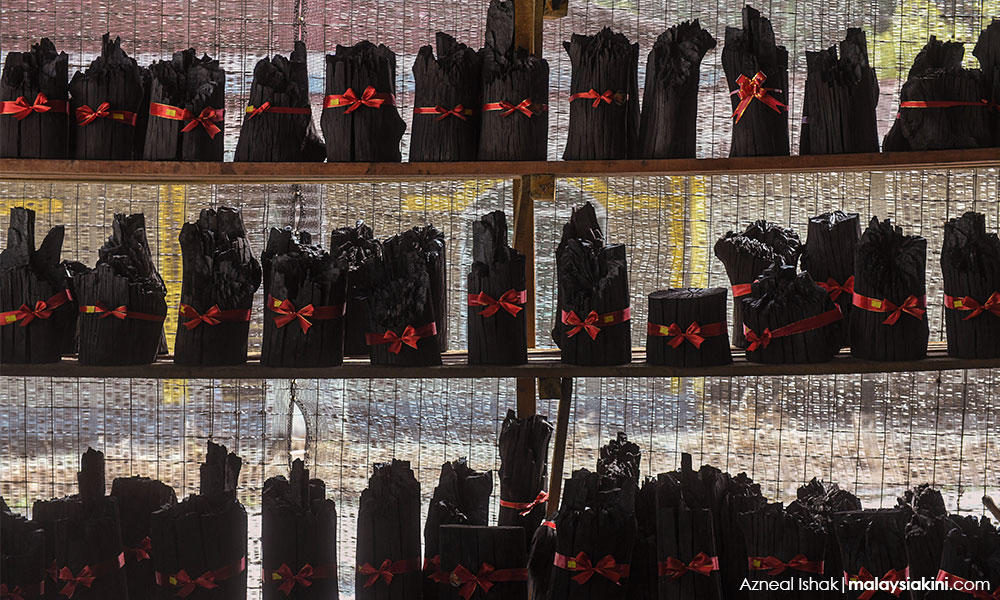
Apart from fuel, charcoal is also used in other manufacturing industries, such as cosmetics, detergents, fertilisers, mosquito repellents and pile trunks.
So far, it is estimated that there are 80 charcoal producers with 360 kilns still operating in the area.





Are you sure you want to delete this comment?
This action cannot be undone.