



Rights group demands data on M'sians in Singapore’s death row
Human rights group Sebaran Kasih has called on Foreign Minister Saifuddin Abdullah to request statistics from Singapore’s home minister on the Malaysians on death row in Singapore.
The group specifically asked for data on the number of Malaysians on death row in Singapore who have received the Certificate of Substantive Assistance (CSA)...
Human rights group Sebaran Kasih has called on Foreign Minister Saifuddin Abdullah to request statistics from Singapore’s home minister on the Malaysians on death row in Singapore.
The group specifically asked for data on the number of Malaysians on death row in Singapore who have received the Certificate of Substantive Assistance (CSA).
They asked this as Nagaenthran K Dharmalingam’s Court of Appeal hearing is reportedly expected to be held within the next two weeks.
“Sebaran Kasih is urging Saifuddin to request from Singapore’s home minister for the statistics on the number of Malaysians on the death row in Singapore that have received the Certificate of Substantive Assistance over these nine years,” it said in a statement issued last night.
A CSA allows inmates the chance to commute their death sentences to life imprisonment for providing the Singapore Central Narcotics Bureau with information about drug activities.
Sebaran Kasih also urged Saifuddin to obtain information regarding the number of Malaysians sentenced to death in Singapore, the number of death sentences reserved and commuted on appeal for Malaysians, and the number of instances in which clemency has been granted to Malaysians.
The group claimed that Singapore was practising double standards when it comes to sentencing Malaysian convicts on death row.
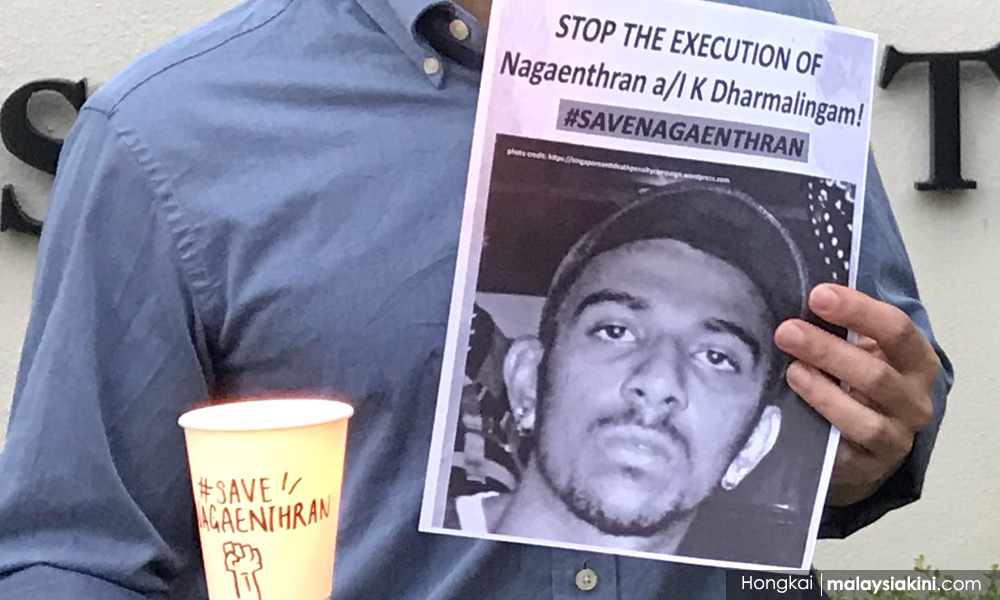
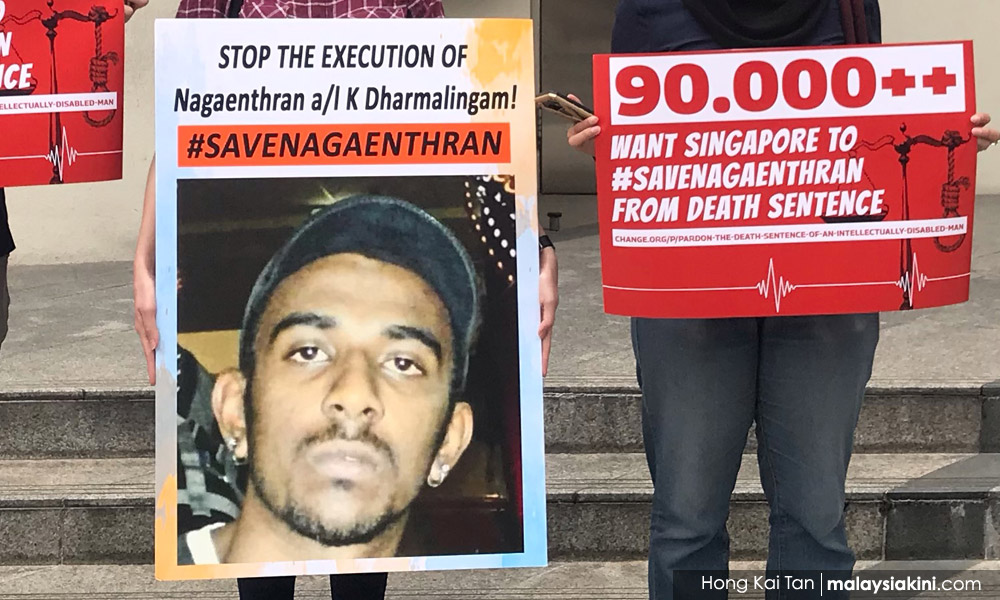
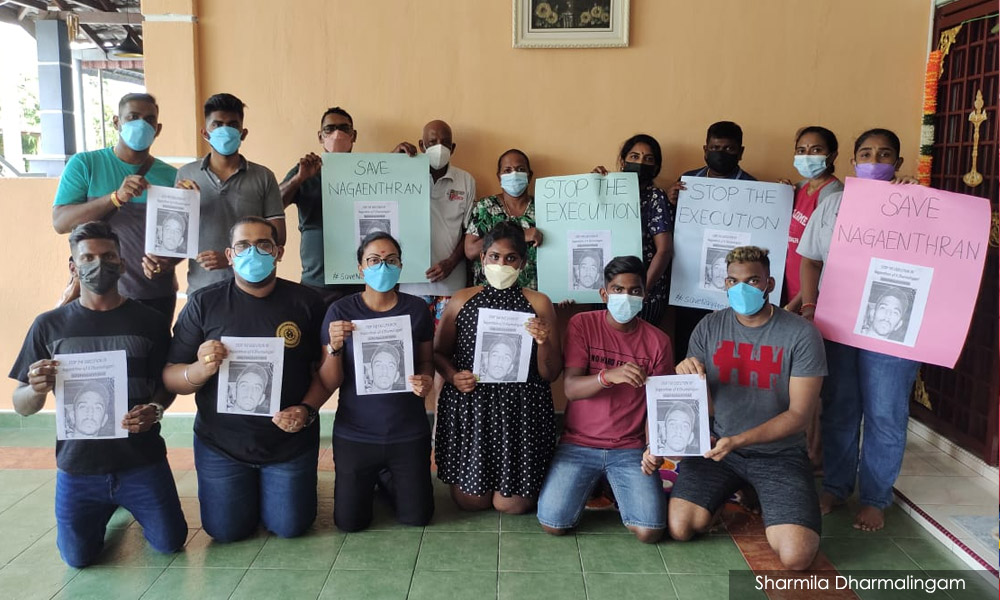
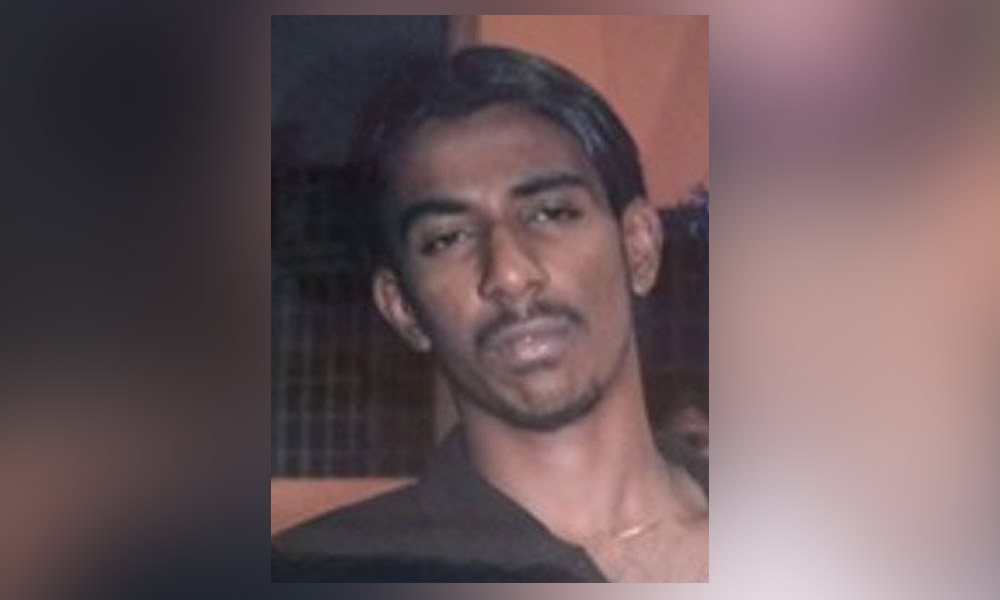
They said this in referring to 33-year-old Nagaenthran, who was sentenced to death in 2011 for trafficking 42.72gm of diamorphine into Singapore. Heroin is made from diamorphine.
The Malaysian - who has a mild intellectual disability and has an IQ of 69 - is set to have a final appeal against his death sentence between Feb 21 and March 4.
Nagaenthran's appeal is against the High Court’s decision to dismiss his application for leave to commence judicial review proceedings to challenge the execution.
His lawyers have also applied for him to be examined by a panel of psychiatrists.
The appeal was initially scheduled to be heard on Nov 30 last year but was postponed on several occasions.
Singapore takes a harsh stance on crime
However, Sebaran Kasih maintained that imposing the death penalty on drug mules was an “abusive punishment”.
“Of course, when the government does not provide any valid and recent data about death sentences or executions, even the most capable researcher will not be able to carry out a quantitative analysis.
“Empirical studies on the application of the death penalty do not exist in Singapore,” the NGO said.
The group likened Nagaenthran’s case with the case of Cheong Chun Yin, who was removed from Singapore’s death row after being granted a CSA.
Cheong was convicted of trafficking in 2,726gm of heroin into Singapore from Myanmar in 2008, but was eventually recognised as a drug mule resulting in life imprisonment and 15 strokes instead.
His accomplice Pang Siew Fum was also eventually placed under life imprisonment as a result of mental illness.
“Yet, when Nagaenthran, another drug mule who was certified to be mentally unsound by a psychiatrist, was convicted and the Singaporean judiciary came really close to hanging him.
“Why can’t he be placed under life imprisonment, like Pang?” Sebaran Kasih asked.
Singapore has previously maintained that Nagaenthran has been accorded full due process under the law.
The island republic’s courts also concluded that his mental responsibility for his offence was not substantially impaired and that he “clearly understood” what he did was a crime.



Are you sure you want to delete this comment?
This action cannot be undone.